

What you should know about making compost
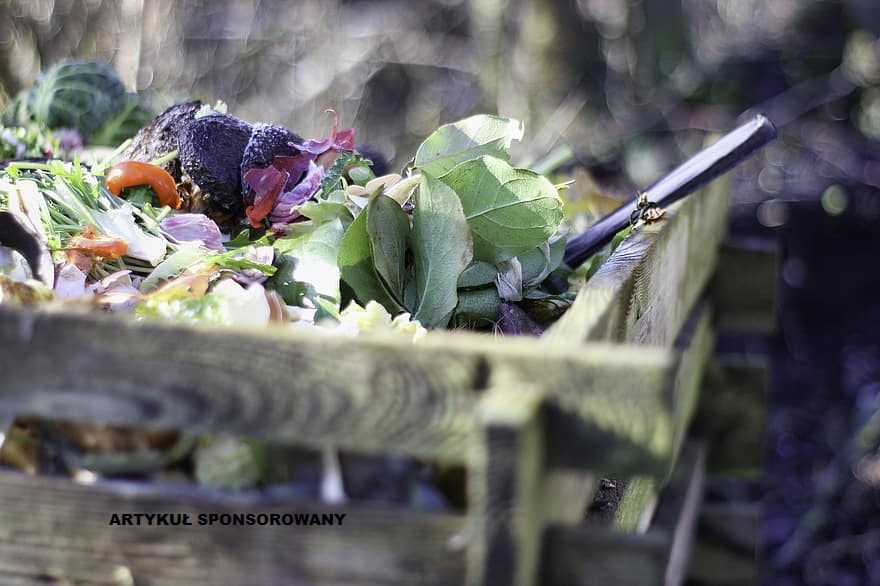
Composting is becoming increasingly popular. However, many people are still unaware of how to use compost bins effectively. Therefore, it would be beneficial to understand what makes quality compost that can later be used for fertilising plants. It is also important to be aware of the greatest benefits of using homemade compost.
What can make good compost?
While creating a home compost bin is not particularly complicated, not everyone knows what to throw into it. We usually want to ensure that our waste will turn into quality compost. Fortunately, there are plenty of organic waste materials that can be safely added to the compost bin. This includes various plant materials, as well as wood ash and food scraps. Animal manure and feathers or hair can also be included. It would be wise to mix all the mentioned elements with soil. This increases the likelihood of producing high-quality compost. However, we should remember a few key rules. Food can be added to the compost bin, but it is better for it to be spoiled fruit rather than, for example, meat. Paper can also be included but it should be grey rather than printed. Care should also be taken to ensure that large branches and bones do not end up in the compost bin. It is important to turn the compost pile at least once a year.
What can compost be used for?
Compost can be used for fertilising both ornamental plants and edible plants. When it comes to the latter, this applies to both fruit trees and shrubs, as well as vegetables. Interestingly, a compost bin can also be used for mulching the soil for certain types of plants, such as blueberries. Compost can also be utilised if we need fertiliser for houseplants located indoors, on the terrace, or on a balcony. Generally, it is best to use compost in autumn. However, there is nothing to stop you from fertilising your plants in spring as well. Much depends on what the flowers or edible plants currently require. As is well known, their needs may change over time.
What are the advantages of using compost?
Using compost is associated with numerous benefits. People who have started to use a compost bin regularly rarely return to traditional store-bought fertilisers. With quality compost, we can expect healthier soil. This is due to the fact that compost contains a plethora of beneficial natural nutrients. Soil absorbs these much better than ingredients derived from artificial fertilisers. Furthermore, compost is eco-friendly and does not harm the earth. By systematically fertilising plants with compost, we can also enjoy more attractive-looking plants and, of course, larger yields. This is great news for those who care about having bountiful harvests. Additionally, composting helps reduce waste. If we care about the fate of our planet, compost should become our ally. It is also worth mentioning that compost can save us money, as we won't have to spend on expensive garden centre fertilisers. However, we must be prepared for the fact that composting requires time and patience. The results will certainly reward our efforts.
This article was prepared in collaboration with the online gardening store Przy Domu, which offers a variety of products for the garden.