
Mountain Trails [#06] - Black Lake under Rysy
![Mountain Trails [#06] - Black Lake under Rysy](/images/Gorskie_Szlaki/Czarny_Staw/morkie_i_czarny_ze_szpiglasowej_przełeczy_Copy.jpg)
The most frequently and numerously visited point on the map of the Tatra Mountains is Morskie Oko. Every year, thousands of tourists visit this easily accessible spot, attracted by the stunning views of the high Tatra peaks. After all, it lies in the part of the High Tatras, whose name may deter some adventurers. A trip to the area around Morskie Oko is a good solution for those who love to gaze at mountains but are not necessarily keen on hiking up high, more or less exposed peaks. However, if there is a desire to conquer something a little higher that does not require a lot of physical effort, the ideal option is Czarny Staw pod Rysami (in summer conditions, even seemingly unremarkable trails require knowledge of winter hiking in the mountains).
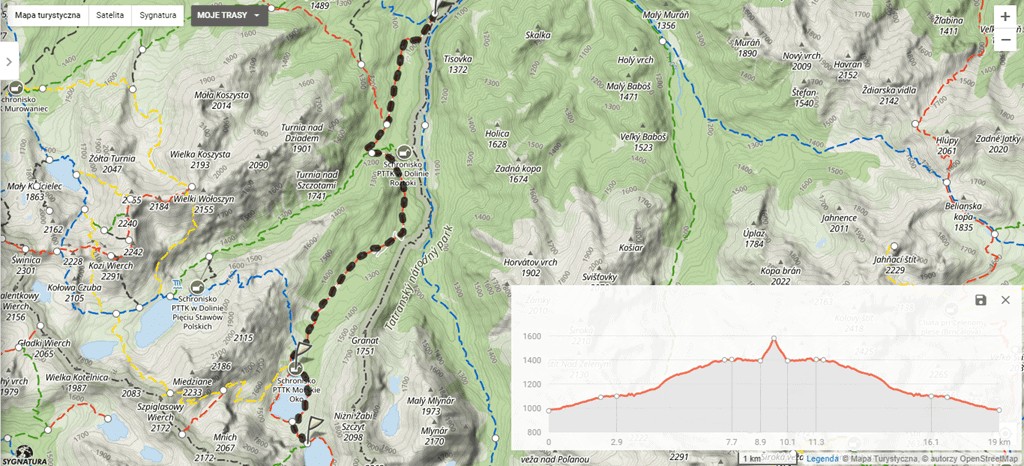
The trail to the lake follows the red path continuously, from the parking lot at Palenica Białczańska through: Wodogrzmoty Mickiewicza, Polana Włosienica, Morskie Oko to Czarny Staw pod Rysami. Return by the same trail.
- The estimated walking time is about 6 hours, depending on the tourist's fitness level,
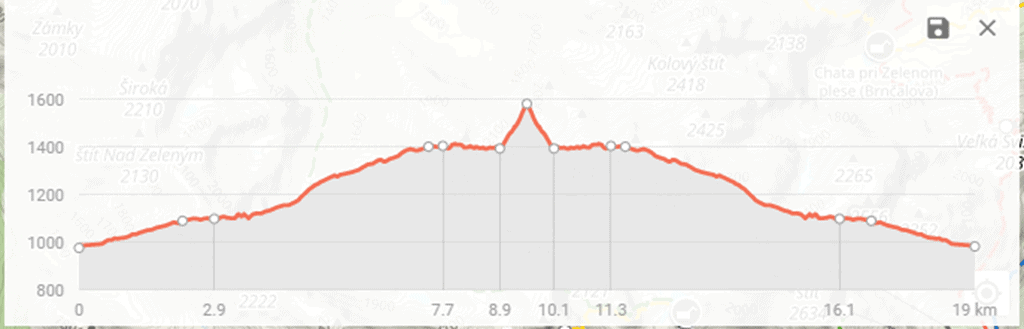
- Total ascent: 872 meters,
- Highest point: 1583 m above sea level,
- Trail length: 19 kilometres,
- No difficulties, no artificial aids; caution is advised on the section between Morskie Oko and Czarny Staw pod Rysami.
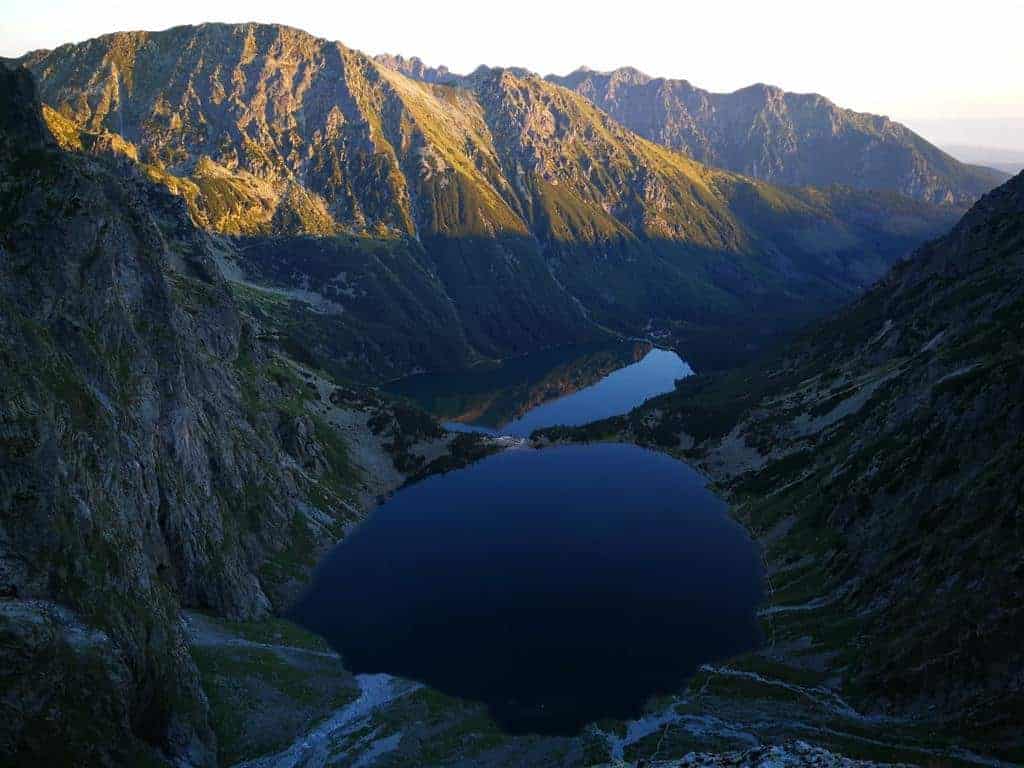
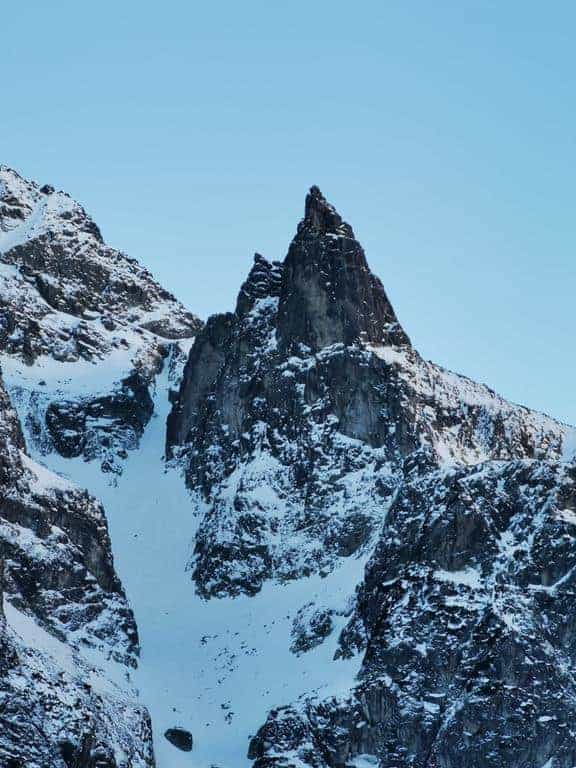
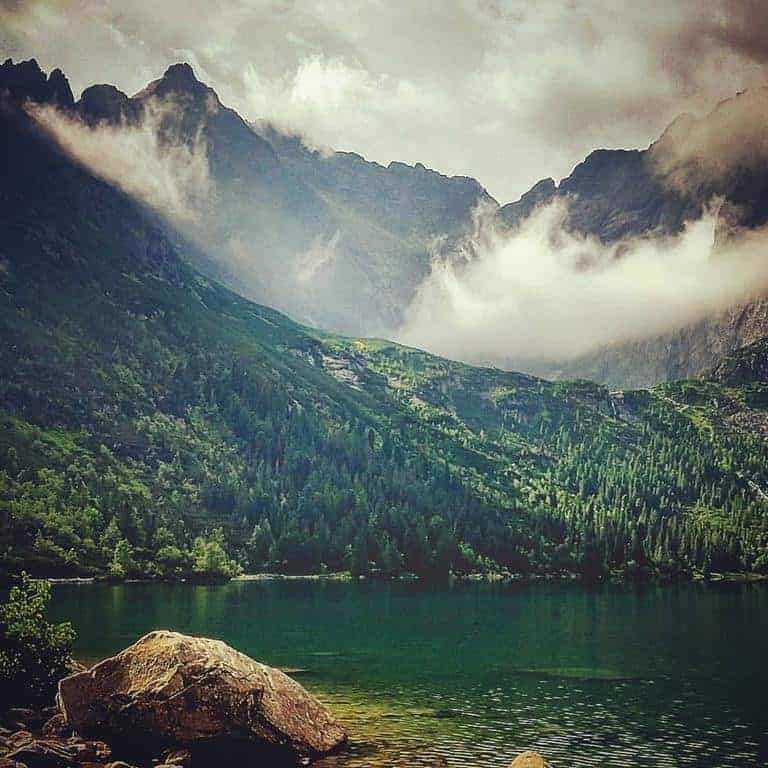
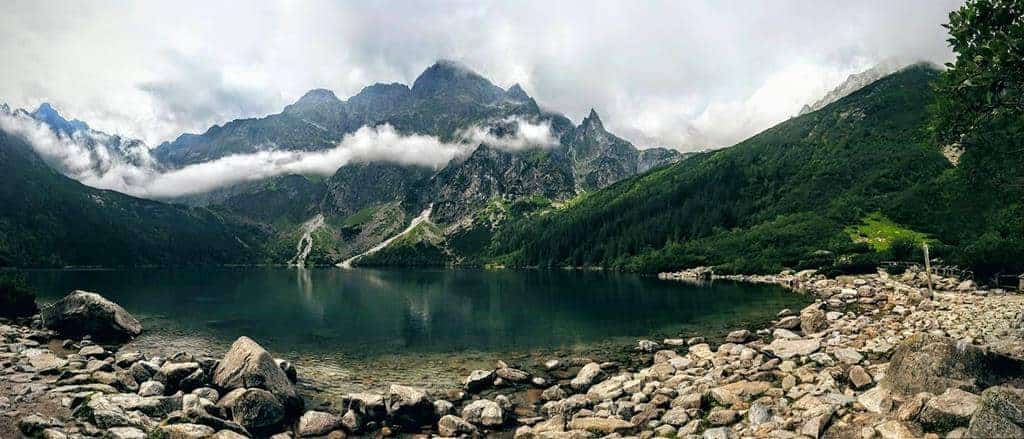
We start the route at the ticket office at Palenica Białczańska, where we must purchase a ticket for the Tatra National Park. There is also a very large parking area, as well as stalls with food and drinks. For those without a car, there are buses from Zakopane that come to this place. We begin our 9 km route to Morskie Oko, which leads along an asphalt road. This section can sometimes be quite tedious, but the views that occasionally emerge from behind the trees make up for it. The first point worth stopping at, even for a moment, is Wodogrzmoty Mickiewicza. The beautiful cascades flowing from the Roztoka stream can be heard from afar. Nearby, there are benches and tables, as well as trail junctions leading to: the Valley of Five Polish Ponds and the hut in Roztoka. Continuing on, our trail winds through the forest; however, we can take shortcuts via several stone paths. Another resting place could be Polana Włosienica, where we will find benches and tables, and most importantly – a view of the peaks of Mięgusze, Mnich, and Opalony Wierch. From this point, it's only a few more minutes to reach the largest lake in the Tatras, Morskie Oko, formerly known as Rybim Staw. We can rest at the PTTK hostel, where it's worth trying the delicious apple pie and tea with raspberry juice. For those who are hungry for views, the surrounding panorama is breathtaking. We can clearly see the highest peak in Poland – Rysy, the Mięguszowieckie summits, Cubryna, and the distinctive rock formation – Mnich.
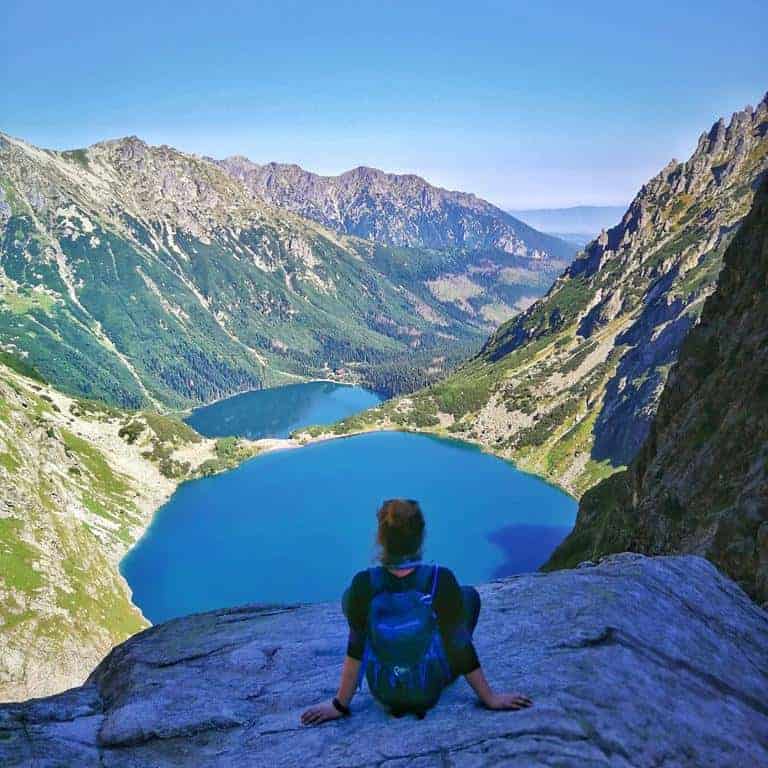
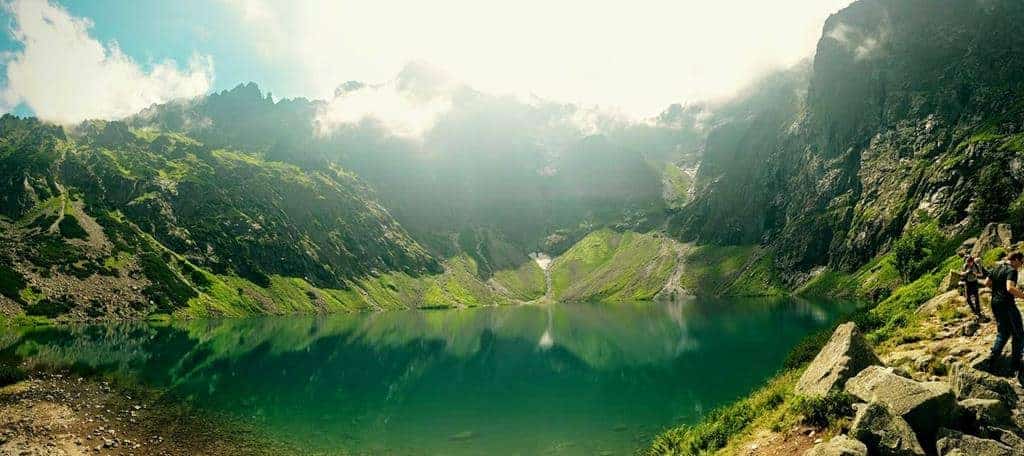
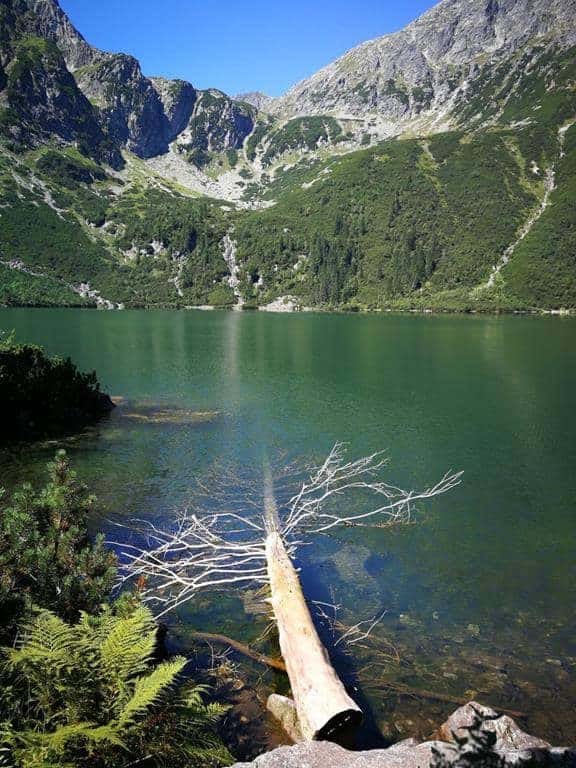
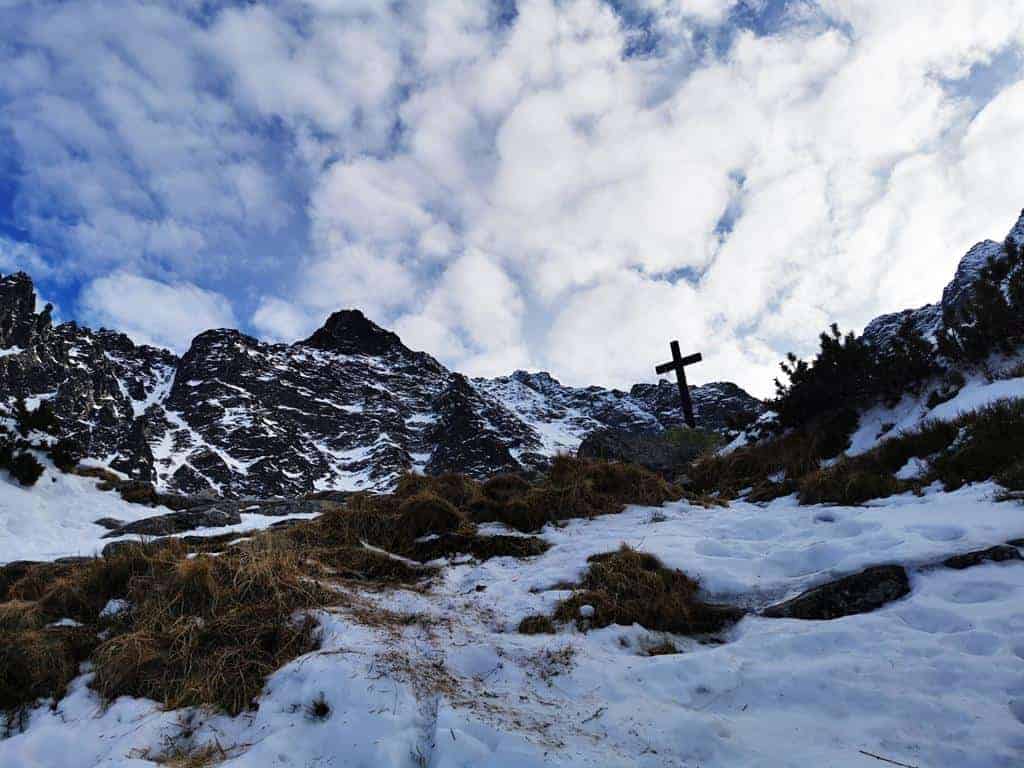
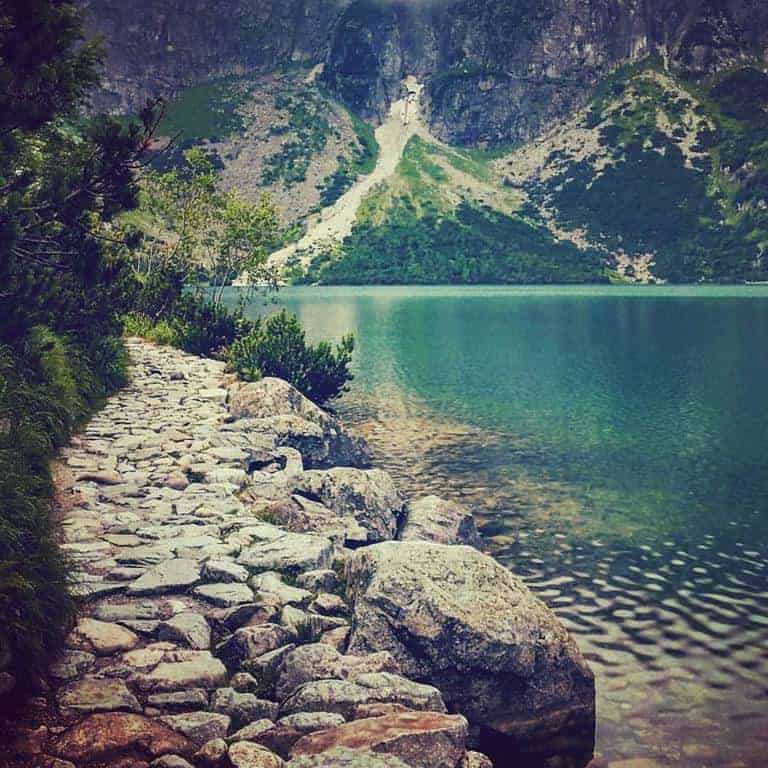
As we descend towards the lake, we head immediately to the left, where after a few minutes we reach a wooden bridge over the Rybim Potok; further along the stone path, we arrive at the turning to Czarny Staw pod Rysami. The ascent to the lake offers beautiful views; just pause for a moment and turn around to see how vast the surface of Morskie Oko is. We carefully climb up the stone steps; this section can be tiring if we set too fast a pace, as we need to remember that we are overcoming more than 200 meters of elevation gain. We reach our destination and stand at the edge of Czarny Staw pod Rysami (1583 m above sea level), which is the second deepest lake in the Tatras. A characteristic point by the lake is the iron cross from 1836. Tourists are drawn to the summit of Niżne Rysy, which from this perspective are often mistaken for Rysy. Here, we will also find trail junctions: to Rysy and Mięguszowiecka Pass under Chłopek. Although they seem to be within reach, it is important to remember that these are difficult trails requiring good navigation skills in exposed terrain. The return to Palenica Białczańska is by exactly the same route.
The trip to Czarny Staw pod Rysami is a good solution for those who want to view Morskie Oko from a slightly different perspective and want something more than the standard asphalt trail. It is worth remembering that this popular trail is visited by thousands of tourists, so it is best to set off at dawn to avoid crowds on the path.
Author of the photos and text: Ewa Bandyk