

Cosplay: what it is, how to create a unique outfit, and how to start your cosplay journey
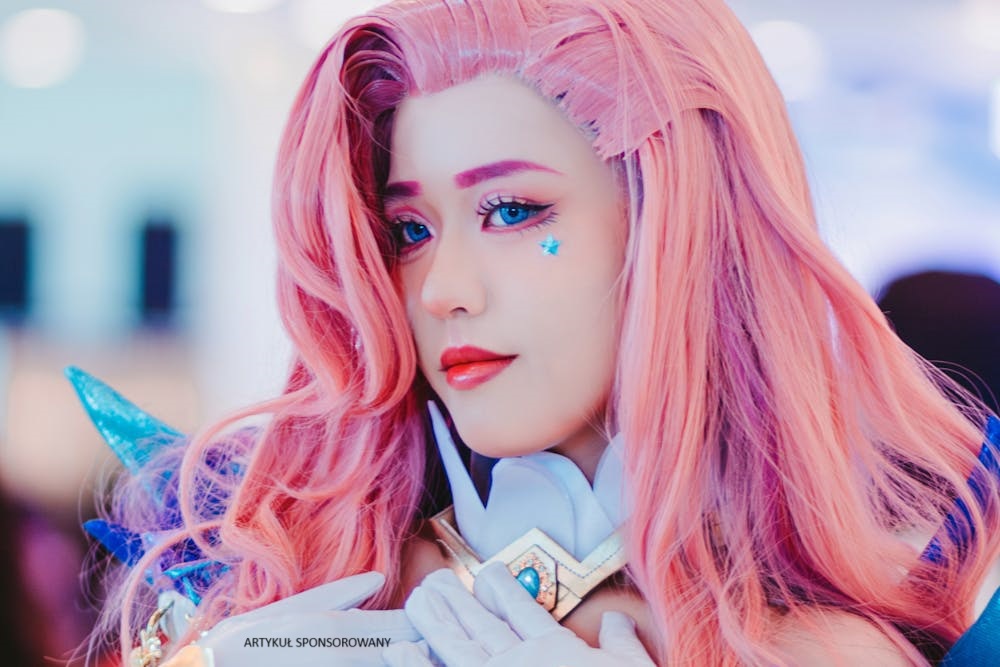
Cosplay is a fascinating form of art that combines a passion for pop culture with creative craftsmanship. Increasingly, one can encounter individuals dressed as their favourite characters from movies, games, or comics at conventions and themed events. But what exactly is cosplay, what are its roots, and how are these exceptional costumes created? In this article, we will take a look at the history and development of cosplay, explain what materials are used, and provide tips on how to start your journey with this amazing hobby.
The history and development of cosplay around the world
Cosplay has its roots in Japan but has gained immense popularity worldwide over the years. The term "cosplay" is a combination of the English words "costume" and "play," which literally means "dressing up as a character." The origins of cosplay date back to the 1970s when fans of science fiction and manga began dressing as their favourite characters at various conventions.
As time went on, cosplay began to attract larger groups of fans, evolving into a thriving subculture. Today, massive cosplay events are held worldwide, such as Comic-Con in the United States, Japan Expo in France, and Pyrkon in Poland. Participants prepare their costumes for months, paying attention to the smallest details to accurately replicate the characters they love.
The advancement of technology, the availability of materials, and the ability to share projects on social media have contributed to the further rise in the popularity of cosplay. Modern cosplay is not just a hobby but also a form of art and a way to express oneself; for some, it even serves as a source of income through competitions, sponsorships, or collaborations with brands.
What is cosplay and why is it gaining popularity?
Cosplay is not just about dressing up; it is also a form of acting that allows individuals to embody their favourite characters from various media – films, series, video games, comics, or books. A key element of cosplay is not just the costume itself but also how a person wears it and portrays their character. It is an art filled with passion, requiring creativity, patience, and technical skills.
The popularity of cosplay stems from several reasons:
- Community and belonging: Cosplay allows people to make connections and build relationships with other fans. Cosplay events create a space where everyone can feel accepted and understood.
- Creativity and self-expression: Cosplay is a form of expression that shows one's creativity. Creating a costume from scratch or modifying existing elements helps develop manual and artistic skills.
- Escape from reality: Dressing up as a hero with superpowers or extraordinary adventures allows one to temporarily escape from everyday life and immerse oneself in a world of fantasy.
- Personal growth: Many cosplayers emphasize that cosplay helps them gain confidence, develop social skills, and overcome personal limitations.
As cosplay continues to gain popularity, more advanced techniques and materials emerge, allowing for the creation of realistic and impressive costumes. This has made cosplay accessible to everyone, regardless of age or skill level, and it has become an integral part of fan culture.
What materials and techniques are used in cosplay?
Creating cosplay is a process that requires both creativity and technical skills. Choosing the right materials is essential for accurately replicating the character's details. Cosplay can be made from a variety of substances, ranging from easily accessible materials to more technically advanced elements. Here are the most popular materials and techniques used in cosplay creation:
- EVA foam: One of the most commonly used materials in cosplay, especially for creating armor, weapons, and other accessories. EVA foam is lightweight, flexible, and easy to work with, and when finished properly, it can resemble metal, leather, or other textures.
- Worbla: A thermoplastic material that becomes pliable and easy to shape when heated. It is ideal for creating details, armor, and intricate elements. Worbla is durable and paints well, making it a popular choice among cosplayers.
- Fabrics: The basic material for creating clothing and costumes. Depending on the character, various types of fabrics are chosen – from lightweight silks to heavy and stiff materials such as glitter or faux leather textiles.
- Felt and decorative foams: Often used for smaller elements, decorations, and accessories. Felt is easy to cut and glue, making it popular for adding details to costumes.
- 3D printing: 3D printing is gaining popularity in cosplay, especially for creating precise replicas of weapons, helmets, or intricate accessories. This technology allows for the creation of highly detailed elements that are challenging to achieve by hand.
Creating cosplay also requires appropriate tools such as hot glue guns, paints, airbrushes, or sewing machines. All of this helps achieve a professional and realistic result that delights at conventions and photoshoots. Equally important as the materials are manual skills like sewing, sculpting, and painting, which enable the finishing touches on the costume at the highest level.
How to start your cosplay journey
Starting your cosplay journey may seem daunting, but in reality, anyone can begin creating their own costumes, regardless of skill or experience. Here are a few steps to help beginners enter the world of cosplay:
- Choose a character: Start by selecting a character you like and who inspires you to take action. It is important to choose someone whose costume is not too complicated, especially if it's your first cosplay.
- Gather references: Find as many pictures and materials as possible that will help you accurately see how the costume of your chosen character looks. Details are crucial, so seek images from different perspectives.
- Plan and budget: Determine what materials will be needed and estimate the costs. You can start with inexpensive and easily accessible materials, gradually increasing the level of difficulty and investment.
- Start with small steps: If you have no experience, begin with simple elements such as accessories or basic costumes. Over time, as you gain experience, you can move on to more advanced projects.
- Utilise tutorials and community: There are plenty of tutorials and support groups for cosplayers available online that can help you learn new techniques. Don’t hesitate to ask for advice and share your progress.
Cosplay is not just about creating a costume; it is also an opportunity to embody your favourite character and experience incredible moments at conventions or photoshoots. It is a hobby that brings together people with similar interests and provides immense satisfaction, regardless of skill level. With dedication, practice, and openness to learning, anyone can become a part of this fascinating world.
This article was created in collaboration with the portal: https://czas-na-odpoczynek.pl