
Kołobrzeg
The town by the sea – an invitation to Kołobrzeg
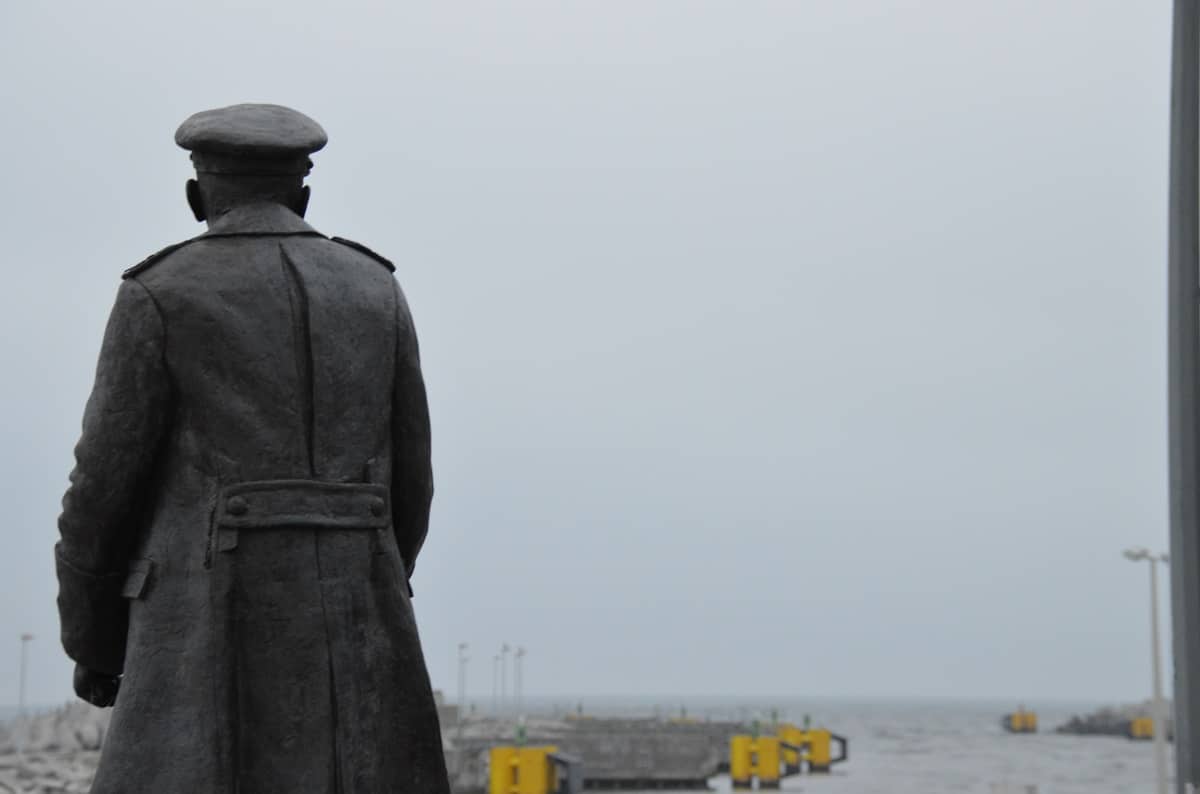
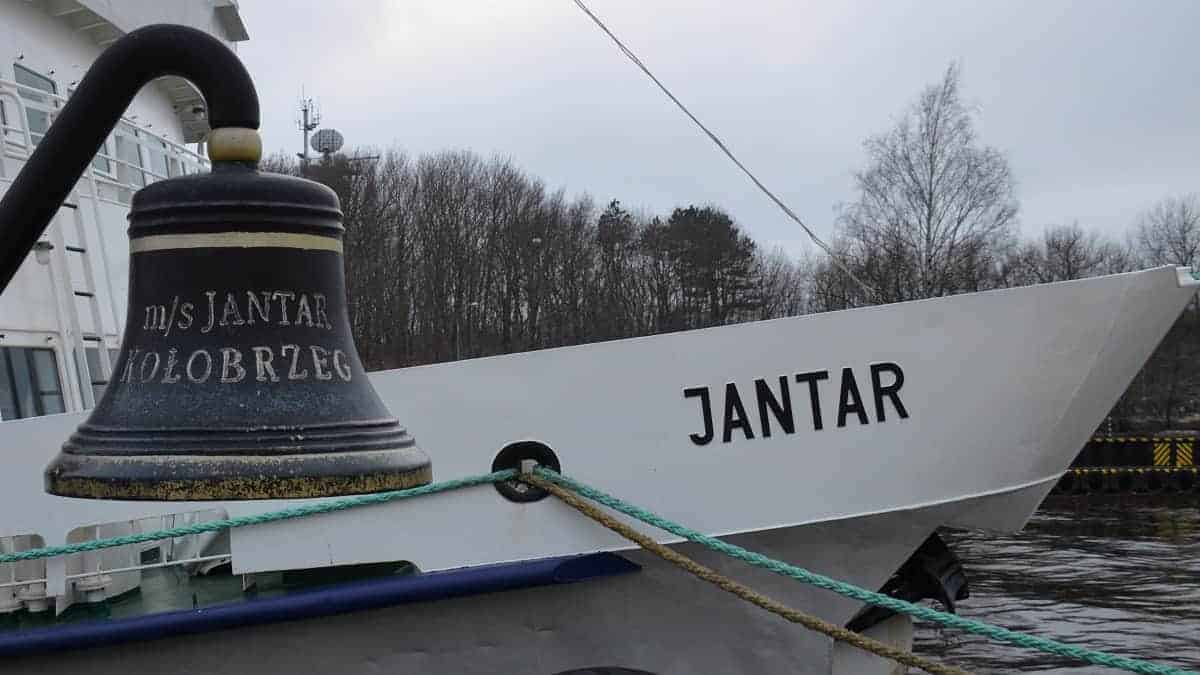
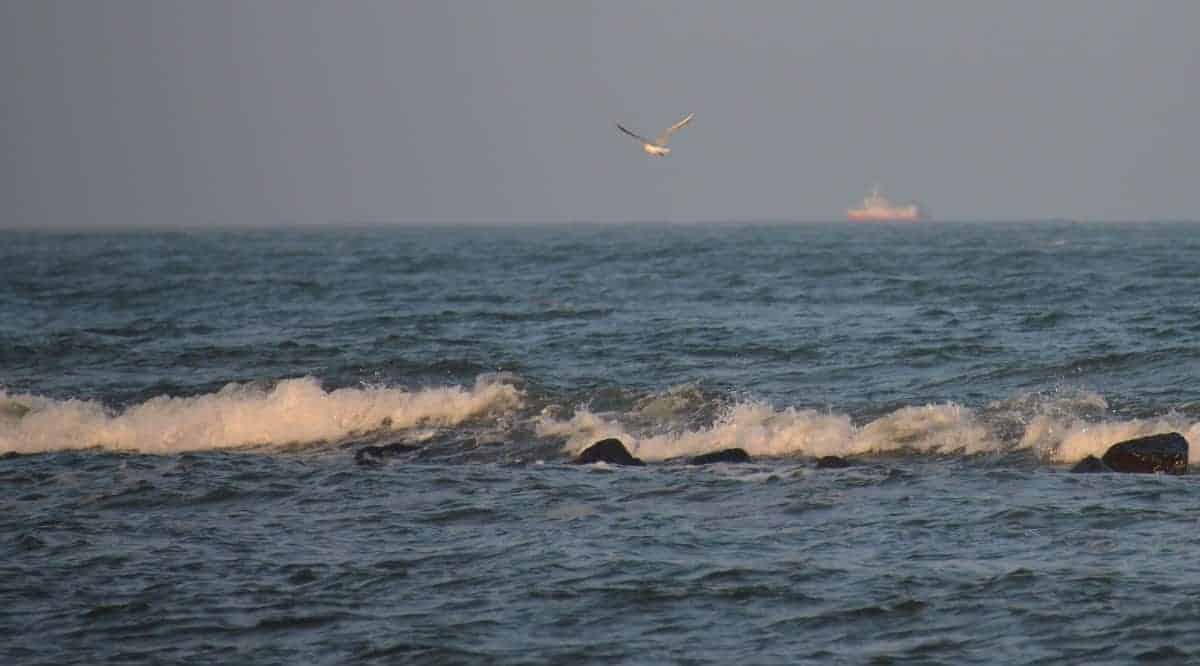
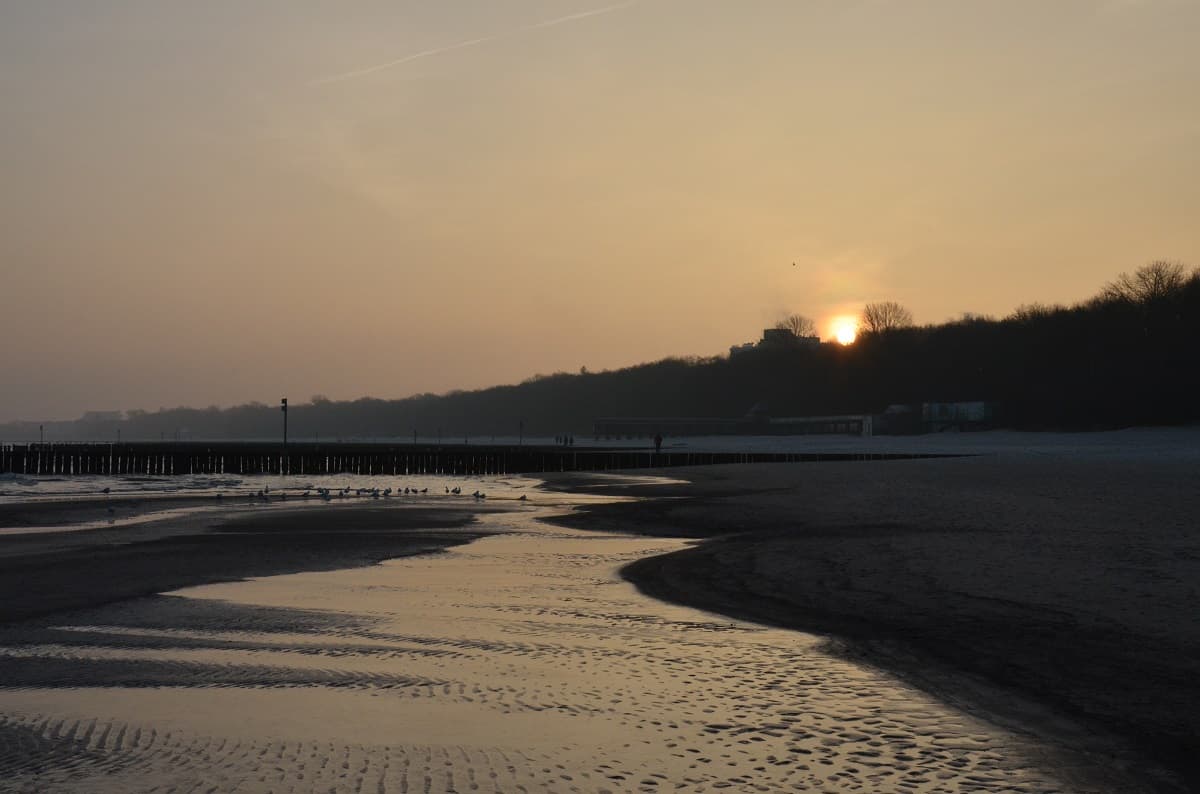
The Polish sea is enchanting at any time of year. In summer, it attracts colourful sun-seeking beachgoers; in autumn and winter, it invites nostalgic strolls along the empty shore. This is particularly true in Kołobrzeg, a spa town in the West Pomeranian Voivodeship, where the salty waters of the Baltic Sea mix with the sweet currents of the Parsęta River. This occurs at the gates of the seaport, which serves not only a commercial but also a passenger and fishing purpose. From Kołobrzeg's port, we can sail to Bornholm, but we can also enjoy the sound of waves aboard sightseeing ships during several-hour cruises without docking. If maritime adventures do not entice us, we can stroll around the port itself or view it from above, at a height of 26 meters, by climbing the lighthouse. In its current form, it has existed since 1946, but it's worth knowing that the first light of the lighthouse in Kołobrzeg was lit in 1666. Undoubtedly, it is one of the biggest tourist attractions, accessible almost year-round to visitors. It's advisable to check the exact visiting hours in advance to avoid unpleasant surprises. However, if luck is not on our side, we can always gaze out to sea in the direction indicated by Commander Stanisław Mieszkowski. A monument to the first Polish captain of the port in Kołobrzeg stands near the lighthouse.
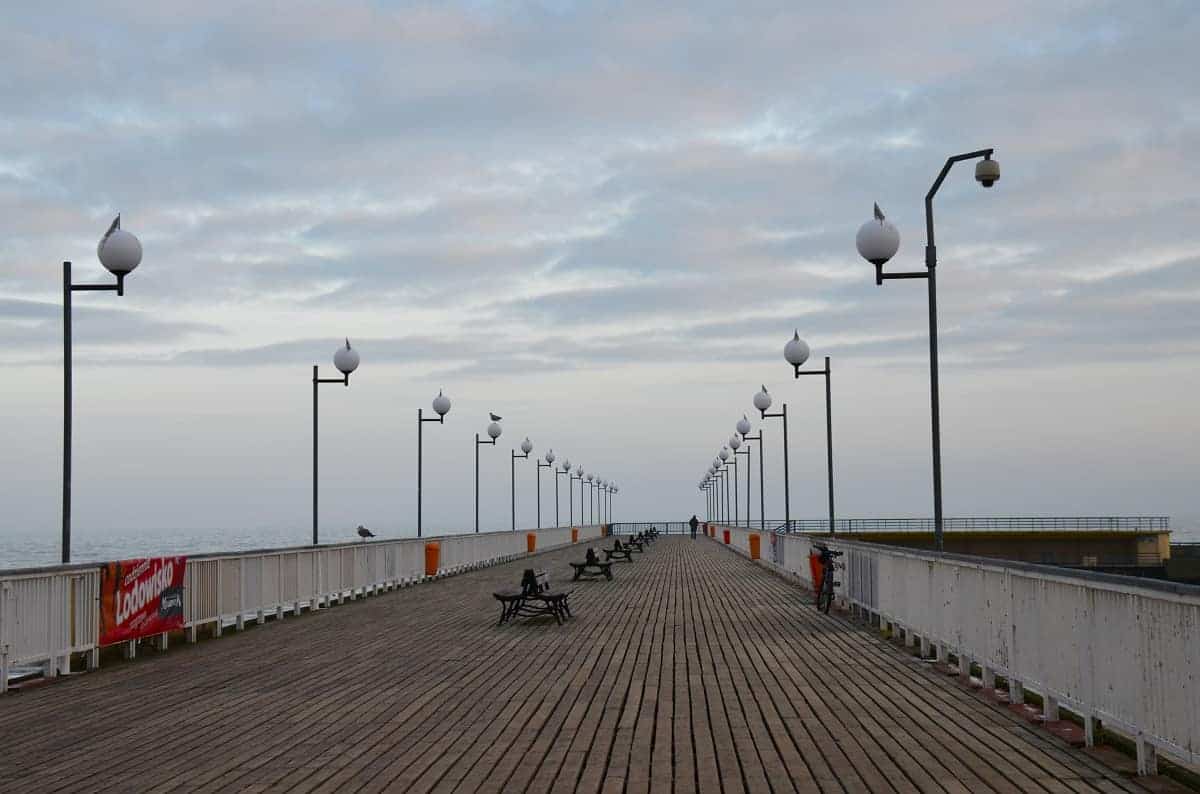
Once we have enjoyed the port atmosphere and absorbed the right amount of iodine during our walk along the beach, pier, and promenade, let us head to the town centre. A short trip through Kołobrzeg's old town, which has maintained its unchanged medieval layout since the 13th century, will surely be a pleasant diversion during our stay. The Basilica of the Blessed Virgin Mary, with an observation terrace, deserves attention, as does the nearby neo-Gothic Town Hall.
History enthusiasts, with the sounds of gunfire and clashing sabres in the background, will find a real treat in a visit to the Museum of Polish Arms, which has collections of polearms, blunt and cutting weapons, as well as the armaments and gear of Polish soldiers from World Wars I and II. Larger exhibits, such as cars and artillery, are displayed in an outdoor exhibition.
Author of the photos and text: Bogusława Bandyk