

Museum of Folk Architecture in Olsztynek
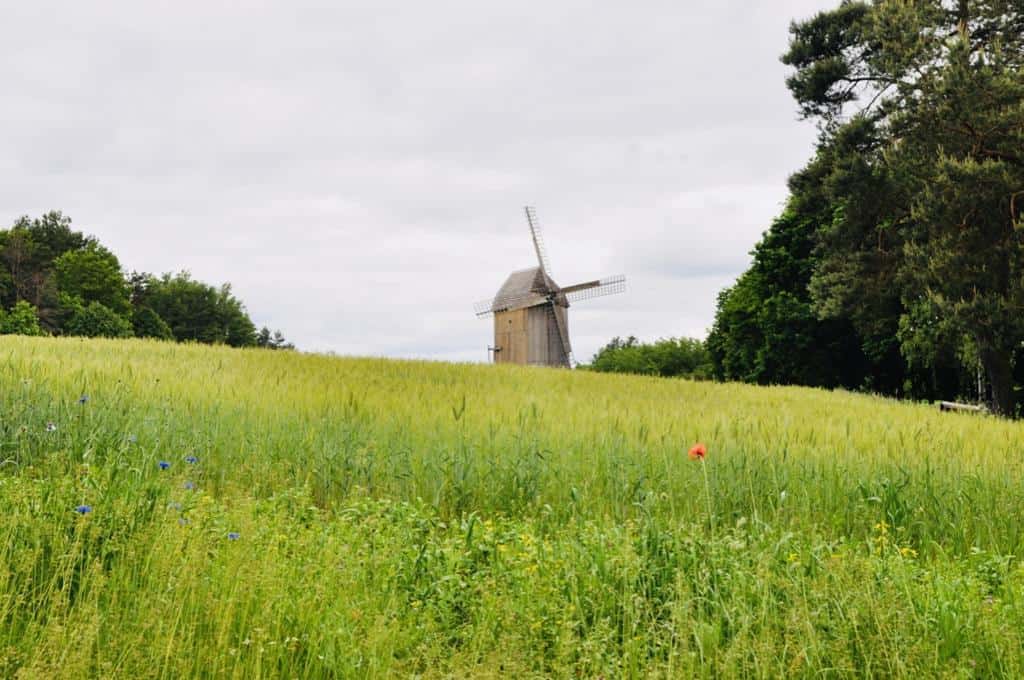
There is also a fire station with a tower for drying hoses, a well crane, a carriage house, a forge, traditional cottages, and a school. There is a gypsy wagon and a roadside cross. There is also space for an inn, a water mill, and a windmill. And there are even two churches. All of this – ancient, wooden, and beautifully preserved – awaits visitors in Olsztynek.
The Museum of Folk Architecture in Olsztynek, to give its correct name, where the aforementioned architectural gems are collected, has its roots in the early 20th century. It was precisely in 1909, in Königsberg, on land adjacent to the zoo, that efforts began to collect monuments of East Prussian architecture. Even before the outbreak of World War II, a decision was made to relocate the already substantial collection to Olsztynek, where it remains to this day. Over the years, the collections have been expanded, and the entire site was renamed the Museum of Land Construction – Ethnographic Park in Olsztynek, which continues to serve visitors today. Currently, on 100 hectares, there are 68 historical buildings, allowing tourists not only to learn about the region's architecture but also to see what a 19th-century school or a fish smoking house looked like and how it was equipped. The youngest visitors can also enjoy live animals. Geese, goats, and sheep wander around selected farms. The museum also features Poland's first true Herb Tasting Room, where visitors can not only sample infusions made from medicinal plants but also see what a herbalist's cottage looked like.
The open-air museum is located 30 kilometres from Olsztyn. It is accessible to visitors all year round from 09:00 to 17:00; in July and August from 10:00 to 18:00. Tickets: standard price 14 PLN, reduced price – 8 PLN, can be purchased at the ticket office at the entrance to the site. Parking is also available.
Author of the photos and text: Bogusława Bandyk