

Low Beskids
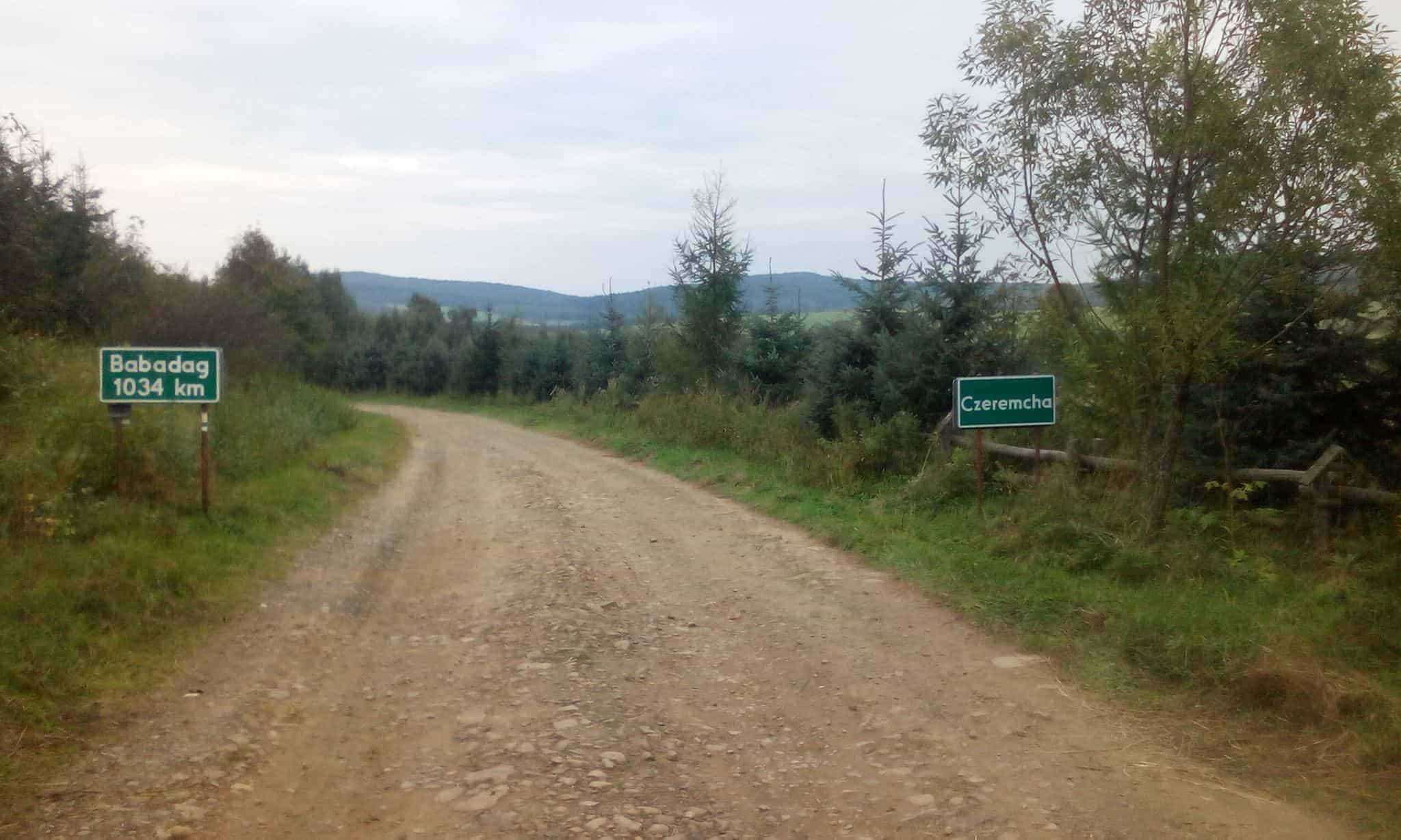
Low Beskids – Poland’s most mysterious mountains
There are places in Poland that delight at first sight. The high peaks of the Tatra Mountains, the rocky ridges of the Karkonosze and the mountain meadows of the Bieszczady have attracted crowds of tourists for years and are among the country’s most visited mountain regions. Yet there are completely different mountains – quiet, peaceful and free from mass tourism. Mountains whose greatest wealth is not the height of their peaks, but their remarkable atmosphere, history and landscapes that have remained almost unchanged for decades. Such a place is the Low Beskids – one of the most authentic and least discovered mountain regions in Poland.
Stretching between the Sącz Beskids in the west and the Bieszczady in the east, the Low Beskids occupy a special place on the map of the Carpathians. Although their highest peaks barely exceed 900 metres above sea level, this is where the lowest part of the entire arc of the Carpathians is located, which for centuries served as a natural communication corridor between Central Europe and the Balkans. Ancient trade routes passed through the mountain passes, travelled by armies, merchants and Wallachian shepherds, and their presence permanently shaped the region’s cultural landscape.
This is precisely why the Low Beskids differ from all other mountain ranges in Poland. They do not impress with monumental peaks or spectacular cliffs. Their greatest treasure is space – broad valleys, extensive forests, abandoned villages, wooden Orthodox churches, cemeteries from the First World War and traces of a multicultural world that developed for centuries at the meeting point of Polish, Lemko, Slovak and Hungarian cultures.
The Low Beskids are also one of the most heavily forested regions of the Polish Carpathians. Forests cover more than 70% of their area and in some places appear almost primeval. Extensive Carpathian beech forests, firs and spruces dominate, transforming entire slopes into a mosaic of gold, red and green in autumn. Wolves, lynx, brown bears and wildcats make their homes here, while golden eagles, lesser spotted eagles and eagle owls can often be seen soaring above the valleys. A significant part of the region is protected within the Magura National Park, as well as numerous nature reserves and Natura 2000 areas.
Yet the greatest value of the Low Beskids remains their extraordinary authenticity. In many places, one can feel that time flows more slowly here than anywhere else. Instead of crowded promenades, there are small villages hidden in valleys, solitary Orthodox churches surrounded by old lime trees and mountain roads where one is more likely to see a roe deer than a car. For some, this is an ideal place for hiking; for others, a space for photographing nature, birdwatching, cycling or simply escaping the bustle of the modern world.
It is impossible to understand the Low Beskids without learning about their history. For centuries, the Lemkos lived here – an ethnic group with its own language, culture and traditions, leaving behind remarkable wooden Orthodox churches, cemeteries and the layouts of former villages. The tragic events of the 20th century, especially the Second World War and Operation “Vistula”, almost completely changed the face of the region. Abandoned settlements, roadside crosses and overgrown foundations of former houses still remind us of a world that has disappeared forever, leaving behind an extraordinary cultural heritage.
The Low Beskids are also a paradise for military-history enthusiasts. During the First World War, some of the bloodiest battles on the Eastern Front took place here, and traces of those events can be found in the form of exceptionally well-preserved war cemeteries designed by outstanding Austro-Hungarian architects. Today, they are not only places of remembrance, but also unique monuments of landscape architecture.
Although the Low Beskids remained in the shadow of better-known mountain ranges for many years, more and more people are now discovering their remarkable character. Visitors come here in search of silence, authentic landscapes and the opportunity to explore places that have not been subordinated to mass tourism. This is why the region is increasingly described as the last truly peaceful mountains in Poland.
The MiejscaPolski.pl perspective
The Low Beskids do not try to dazzle anyone with the height of their peaks or the number of attractions. Their strength lies in something much deeper – the harmony of nature, history and culture. This is a place where one can walk for hours through beech forests, discover forgotten Orthodox churches, listen to the murmur of mountain streams and uncover traces of former inhabitants. If there is a region in Poland that truly allows one to slow down and feel the atmosphere of the old Carpathians, it is the Low Beskids.
History of the Low Beskids – a thousand years at the meeting point of cultures
It is impossible to understand the Low Beskids without learning about their history. It is this history that has made the region different from all other mountain ranges in Poland. The landscape that today delights with its tranquillity and apparent wildness was for centuries a place of intensive settlement changes, encounters between different peoples and religions, major armed conflicts and dramatic events of the 20th century. While walking through the Beskid valleys, it is easy to notice abandoned Orthodox churches, old cemeteries and solitary roadside crosses. Each of these elements bears witness to a history recorded not only in documents, but above all in the landscape itself.
The first inhabitants of the Carpathian valleys
The oldest traces of human presence in the Low Beskids date from the Stone Age. Archaeologists have found flint tools and settlement remains in the valleys of the Wisłoka, Ropa and Jasiołka, showing that people appeared here several thousand years before our era. The mountains did not favour the formation of large settlements, however – much better conditions existed in the foothills and broad river valleys.
In the early Middle Ages, these lands lay on the border between the spheres of influence of the state of the first Piast dynasty, Kievan Rus and the Kingdom of Hungary. Borders changed repeatedly, while trade routes linking northern Europe with the Pannonian Basin crossed the mountain passes. Merchants transported salt, furs, wax, honey, cloth and wine, and with them came new ideas, technologies and customs.
The Wallachians and the birth of mountain settlements
A genuine turning point came in the 14th and 15th centuries, when Wallachians – shepherds originating from the Balkans – began arriving in the Carpathians. They were not a single nation in the modern sense, but a community leading a semi-nomadic lifestyle and perfectly adapted to managing land in the mountains.
It was they who introduced the so-called Wallachian law, which enabled new settlements to be established in previously almost uninhabited areas. A village founded under this law was granted considerable economic freedom, while its inhabitants mainly kept sheep, cattle and horses.
Traces of Wallachian settlement can still be found today in place names, the layouts of former villages, local customs and vocabulary connected with pastoral farming. Without this wave of settlement, the Low Beskids would probably never have become a region inhabited on such a scale.
The Lemkos – inhabitants of the Low Beskids
Over time, a Lemko community developed in the Low Beskids – an ethnic group inhabiting the northern slopes of the Carpathians from the vicinity of Poprad to the Osława valley. Their culture arose from a combination of Ruthenian, Wallachian and local Slavic influences.
For centuries, the Lemkos lived mainly from agriculture, animal husbandry and work in the forests. They were known for their long wooden chyża houses, which accommodated the living quarters, stable and farm buildings under one roof. In the centre of almost every village stood an Orthodox church, which was not only a place of prayer but also the centre of social life.
The Lemkos spoke their own dialect and cultivated rich folklore, music and religious customs. Their heritage can still be admired in wooden Orthodox churches, icons and roadside crosses, as well as at festivals of Lemko culture.
The Low Beskids as a borderland of states
The location between Poland and Hungary made the Low Beskids strategically important. Trade and military roads crossed the passes, and control of them mattered to the security of entire states.
During the period of the Polish–Lithuanian Commonwealth, small trading towns such as Dukla developed. Thanks to its position on the Hungarian route, Dukla became one of the most important wine-trading centres in this part of Europe. Merchant caravans carried barrels of Tokaji wine, salt from the Wieliczka salt mines and craft goods, and the Low Beskids became a meeting place for merchants of many nationalities.
The 19th century – a time of change
After the partitions of Poland, the region became part of the Habsburg monarchy as part of Galicia. Although it was one of the empire’s poorest provinces, this was when new roads, administrative structures and the first geological surveys began to be developed.
In the second half of the 19th century, rich deposits of crude oil were discovered. In nearby Bóbrka, Ignacy Łukasiewicz opened the world’s first oil mine, while the area around Gorlice and Jasło became the birthplace of the global oil industry. The Low Beskids also benefited from this development – small shafts, refineries and railway lines facilitating the transport of raw materials were built.
The First World War – mountains turned into a battlefield
One of the most dramatic periods in the history of the Low Beskids was the First World War. At the turn of 1914 and 1915, the Carpathians became the scene of fierce fighting between the Austro-Hungarian and German armies and the forces of the Russian Empire.
The culmination of these events was the Battle of Gorlice, which began on 2 May 1915. The breakthrough of the front led to the retreat of the Russian forces and is regarded as one of the most important turning points of the war on the Eastern Front.
More than 400 war cemeteries scattered throughout the Low Beskids and the foothills still commemorate those events. They were designed by outstanding Austro-Hungarian architects, giving each cemetery an individual character. Soldiers of different armies and nationalities lie there – Austrians, Hungarians, Germans, Russians and Poles who fought on opposite sides of the front.
The Second World War and Operation “Vistula”
The events following the end of the Second World War left an even deeper mark on the region. Between 1945 and 1947, most of the Lemko population was resettled – first to the Soviet Union and then, during Operation “Vistula”, to the so-called Recovered Territories.
Within just a few years, hundreds of villages became deserted. Some buildings were dismantled, while others were gradually reclaimed by nature. Many Orthodox churches were converted into Roman Catholic churches or storage buildings, or simply left to decay. The former cultural landscape of the Low Beskids underwent an almost total transformation.
Today, while walking through the region, one may come across overgrown orchards, stone cellars, house foundations or old cemeteries hidden in the forest. They are silent witnesses to a world that disappeared within just a few post-war years.
The Low Beskids today
Since the 1990s, the Low Beskids have experienced a slow revival. More and more former Orthodox churches have been restored, historical and educational trails are being recreated, and Lemko culture is once again becoming an important element of the region’s identity. Descendants of former inhabitants are also returning, while festivals, concerts and meetings devoted to the history of the borderland are being organised.
At the same time, the Low Beskids remain one of the least transformed mountain regions in Poland. The absence of large ski resorts and intensive development has allowed them to retain their natural character. For some, this is their greatest advantage; for others, proof that the region is still waiting to be fully discovered.
The MiejscaPolski.pl perspective
The history of the Low Beskids is not merely a story of successive events recorded in chronicles. Here, the past can still be seen during every walk. Wooden Orthodox churches, war cemeteries, abandoned valleys and traces of former Lemko farms turn the mountains into a living museum of history. It is precisely this extraordinary cultural layer that distinguishes the Low Beskids from other Carpathian ranges and makes every trip not only a journey through beautiful landscapes, but also an encounter with the memory of the people who shaped the region’s unique character over the centuries.
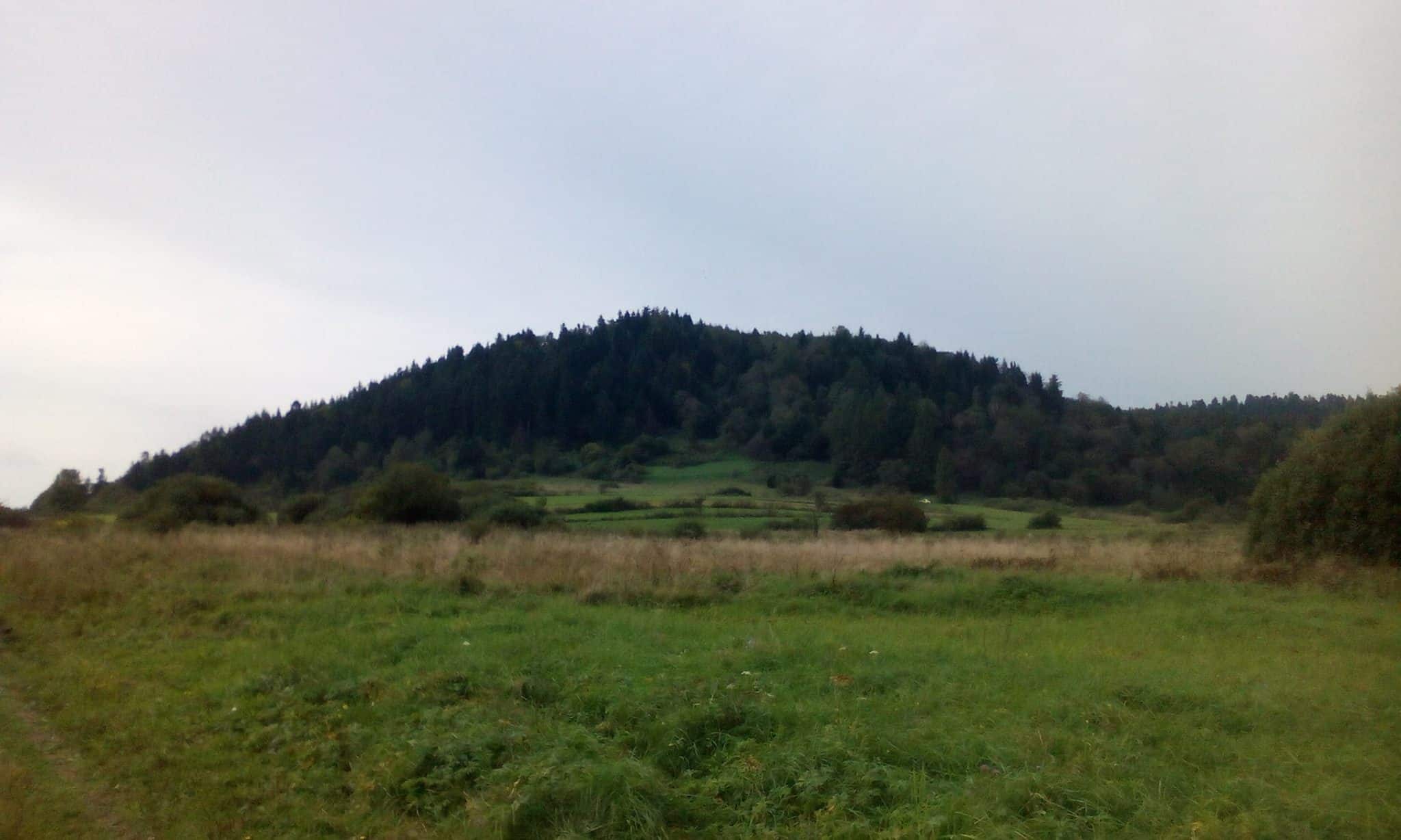
Nature of the Low Beskids – the last refuge of the wild Carpathians
The Low Beskids are often called the most natural mountain range in Poland, and it is difficult to find a more accurate description. There are no large ski resorts, extensive holiday complexes or dense development here. For decades, the region developed much more slowly than the Tatra Mountains or the Silesian Beskids, allowing it to preserve landscapes that are already rare in many parts of the Carpathians. Extensive beech forests, broad valleys, mountain streams and almost uninhabited ridges create a space in which nature still plays the leading role.
This is where one can walk along a trail for hours, encountering more traces of animals than people. The silence is interrupted only by birdsong, the sound of streams and the wind moving through the crowns of old beech trees. For many tourists, this is the greatest value of the Low Beskids – the opportunity to experience mountains in their most natural form.
Mountains shaped by nature
The Low Beskids are the lowest part of the Polish Carpathians, but their gentle character is the result of millions of years of geological processes. The range consists mainly of sandstone and flysch shale, which eroded more easily than the harder rocks of the Tatras or Pieniny. This created broad, gentle ridges, wide passes and deep river valleys.
The highest peak on the Polish side is Lackowa (997 m above sea level), often called the “Wall of Tears” by hikers because of the very steep ascent from the Izby side. Despite its modest relative height, it offers extensive views encompassing the Sącz Beskids, the foothills and the Slovak Carpathians.
Cergowa, Magura Wątkowska, Kornuty and Rotunda are equally picturesque – peaks that impress less through their height than through their tranquillity and extensive beech forests.
The kingdom of beeches and firs
The most characteristic element of the Low Beskids’ landscape is its forests. They cover more than 70% of the region and in many places form almost uninterrupted woodland complexes stretching for dozens of kilometres.
Carpathian beech forests dominate, regarded as some of Europe’s most valuable forest communities. Powerful beeches reaching more than 30 metres create natural vaults beneath which ferns, mosses and numerous forest-floor plants grow. In autumn, entire slopes turn into a spectacular mosaic of gold, orange and red, making the Low Beskids one of the most beautiful places in Poland for observing autumn nature.
Firs, sycamores, spruces and mountain elms also grow alongside the beeches. In the higher areas, natural mixed forests can also be found, providing shelter for many rare animal species.
A land of large predators
One of the greatest natural values of the Low Beskids is the presence of all the large predators characteristic of the Carpathians. The region is an important refuge for:
- wolves,
- Eurasian lynx,
- brown bears,
- European wildcats.
Wolves in particular play a key role in the functioning of local ecosystems. They regulate the numbers of deer, roe deer and wild boar, thereby influencing the balance of entire forests. Encounters with them are extremely rare, however – the animals avoid contact with people and usually leave an area long before tourists appear.
Brown bears moving between the Bieszczady and the Slovak part of the Carpathians are also being observed increasingly often in the Low Beskids. Their presence demonstrates the high degree of naturalness of the entire region.
A birdwatcher’s paradise
Ornithology enthusiasts have long counted the Low Beskids among Poland’s most valuable birdwatching locations. The extensive forests are home to:
- golden eagles,
- lesser spotted eagles,
- eagle owls,
- pygmy owls,
- tengmalm’s owls,
- three-toed woodpeckers,
- black storks.
Corncrakes can be heard in the mountain meadows, while buzzards, honey buzzards and goshawks often circle above the valleys. In spring, the forests resound with the songs of flycatchers, robins and thrushes, while in autumn important migration routes for many bird species cross the Low Beskids.
Rivers and mountain streams
Although the Low Beskids are not known for high waterfalls, their greatest wealth lies in natural streams and fast-flowing rivers. The Wisłoka, Ropa and Jasiołka, together with their many tributaries, have shaped the region’s landscape for thousands of years, creating picturesque valleys, gorges and stony riverbeds.
Brown trout, bullheads and European otters live in the clean waters, indicating a high-quality environment. Kingfishers, grey wagtails and beavers can be seen along the riverbanks; over the past several decades, beavers have once again played an important role in shaping local ecosystems.
Magura National Park – the heart of the wild Beskids
The region’s most valuable natural area is protected by the Magura National Park, established in 1995. It covers more than 19,000 hectares of forests, river valleys and mountain ridges located on the border between the Lesser Poland and Subcarpathian voivodeships.
The park protects some of the best-preserved fragments of Carpathian beech forest, as well as habitats of many endangered plant and animal species. More than 190 vertebrate species occur here, including all the large predators of the Carpathians, together with numerous species of bats, amphibians and insects.
For tourists, there is a network of signposted walking trails, educational paths and viewpoints that allow visitors to learn about nature without disturbing its delicate balance.
Nature reserves
In addition to Magura National Park, the Low Beskids protect several nature reserves. The most valuable include:
- Kornuty – famous for its monumental sandstone outcrops,
- Kamień nad Jaśliskami – with impressive rock formations,
- Tysiąclecia on Cergowa Mountain – protecting old-growth beech and fir forest,
- Jasiołka Headwaters – encompassing the natural sources of one of the region’s most important rivers.
Each protects a different fragment of the Beskid landscape and demonstrates the diversity of local nature.
The four seasons
The Low Beskids are beautiful at every time of year.
Spring brings carpets of anemones, liverworts and wild garlic, while the forests once again fill with birdsong.
Summer is the season of lush greenery, flowering meadows and long walks along almost empty trails.
Autumn is considered the most beautiful time of year. Beech forests take on remarkable colours, morning mists rise above the valleys and the clear air allows distant panoramas to be admired.
Winter is peaceful and intimate. Although there is often less snow than in the Tatras or Bieszczady, snow-covered forests and abandoned valleys create an exceptionally picturesque landscape.
Why are the Low Beskids special?
The greatest value of the Low Beskids is not a single attraction or the highest peak. It is the exceptional continuity of their natural ecosystems. Few places in Poland contain such extensive forest complexes, such a rich large-mammal fauna and landscapes that have been changed so little by human activity.
Thanks to this, the Low Beskids remain one of the most important natural areas of the entire Carpathians and a place where visitors can see mountains as they looked before the development of mass tourism.
The MiejscaPolski.pl perspective
The nature of the Low Beskids does not impress with spectacular pinnacles or high waterfalls. Its greatest strength is authenticity. Here, the forest is still home to wolves and lynx, streams still flow through natural channels, and on many trails one can walk for several hours without meeting a single person. It is this silence, space and sense of closeness to wild nature that make the Low Beskids one of Poland’s most extraordinary regions. They do not offer mountains “for show” – they offer real mountains.