

Kraków
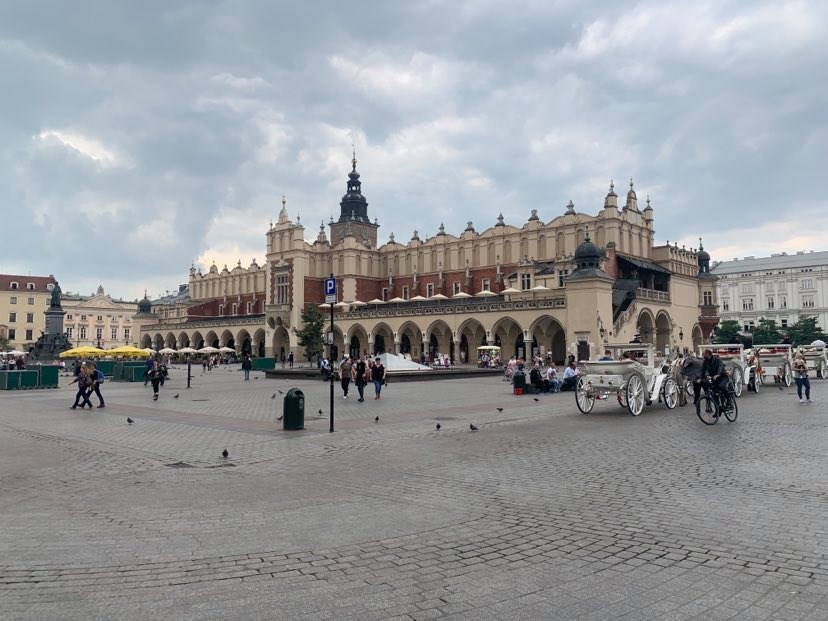
Kraków – the royal city and one of the most beautiful places in Poland
Kraków is one of those cities whose importance cannot be measured solely by the number of monuments or its popularity among tourists. It is Poland’s former capital, the place where kings were crowned, one of the most important centres of learning and culture in Central Europe, and a city whose historic centre has preserved remarkable spatial and architectural continuity. Wawel, the Main Square, Kazimierz, the Planty and the medieval streets of the Old Town create a landscape recognisable far beyond the country’s borders.
Kraków lies on the Vistula in southern Poland and is the capital of the Małopolskie Voivodeship. Today it is one of Poland’s largest cities, but its importance extends far beyond its administrative and economic functions. Kraków remains one of the country’s most important academic, cultural and tourist centres, and its history is inseparably linked with the history of the Polish state.
It is also an exceptionally diverse city. Here, you can explore Poland’s medieval history, see Renaissance royal chambers, follow in the footsteps of the Jewish community, discover the Socialist Realist architecture of Nowa Huta, relax by the Vistula or admire the city panorama from one of Kraków’s mounds. This diversity is precisely what makes it impossible to reduce Kraków to just a few of its most popular attractions.
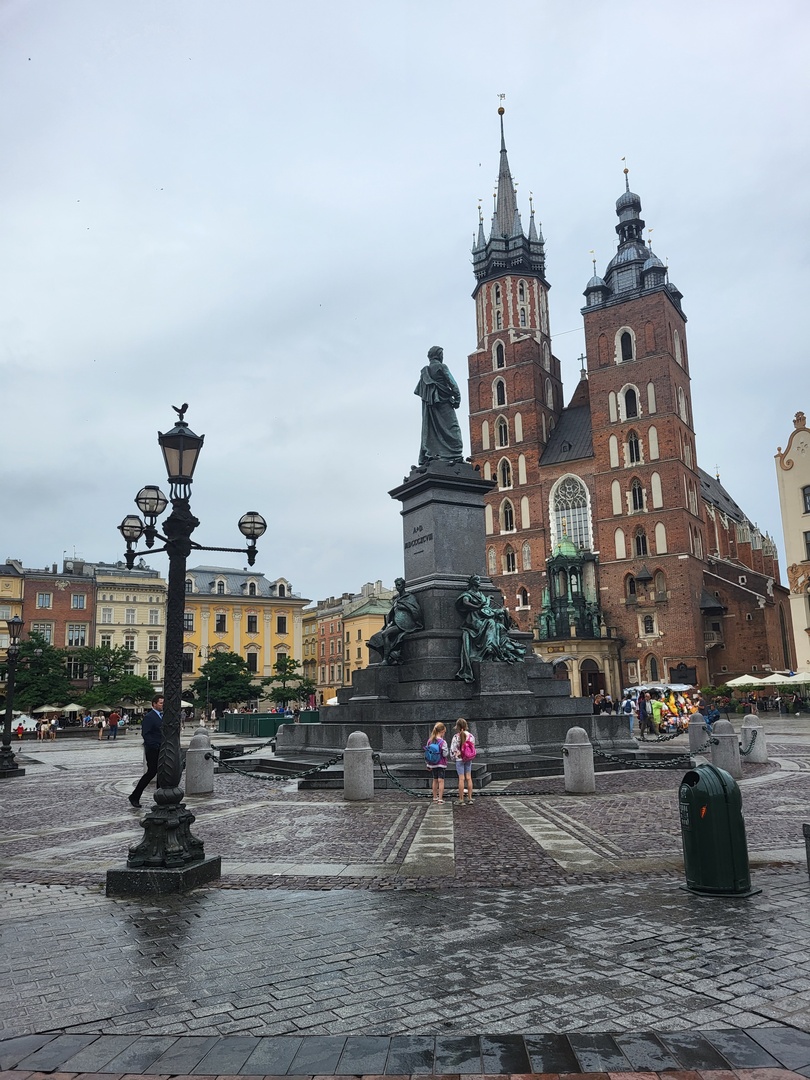
Kraków – Poland’s former capital
Kraków’s history reaches back much further than the beginnings of the Polish state. Traces of settlement in the area of today’s city date from prehistoric times, while the first known written mention of Kraków appeared in Ibrahim ibn Yaqub’s account from the tenth century.
After Małopolska was incorporated into the Piast state, Kraków quickly became one of its most important political centres. It gained particular importance after the period of regional fragmentation. In 1320, Władysław the Elbow-high was crowned in Wawel Cathedral, and Wawel became the principal coronation site of subsequent Polish monarchs.
For the following centuries, Kraków remained the centre of the state’s political and cultural life. The times of the last Piasts and the Jagiellonians were among the city’s most glorious periods. Kings resided at Wawel, trade flourished around the Square, and merchants, artists and scholars arrived from different parts of Europe.
Although the royal court moved permanently to Warsaw in the seventeenth century, Kraków never lost its symbolic importance. Wawel remained the necropolis of Poland’s monarchs and a place of particular significance to the nation’s history.
The Main Square – the heart of the city since the Middle Ages
One of the most important moments in Kraków’s development was the town’s foundation under Magdeburg Law in 1257, carried out by Duke Bolesław the Chaste. A regular network of streets and the enormous Main Square were laid out at that time, and the square remains the centre of historic Kraków to this day.
The square is surrounded by town houses representing different architectural periods, while its most distinctive buildings are the Cloth Hall, St Mary’s Basilica and the Town Hall Tower. Wawel, St Florian’s Gate, the Barbican and the Planty are all only a few minutes’ walk from the Square.
The layout of the medieval city remains clear to this day. Walking along Floriańska, Grodzka or Kanonicza Streets allows you to discover, in practice, the successive stages in the development of the former royal capital.