
Polish Travel [#34] - Krakow Legends
![Polish Travel [#34] - Krakow Legends](/images/Polska_Podroznicza/PP_34/12957540_1197930046891650_2730948181518297720_o.jpg)
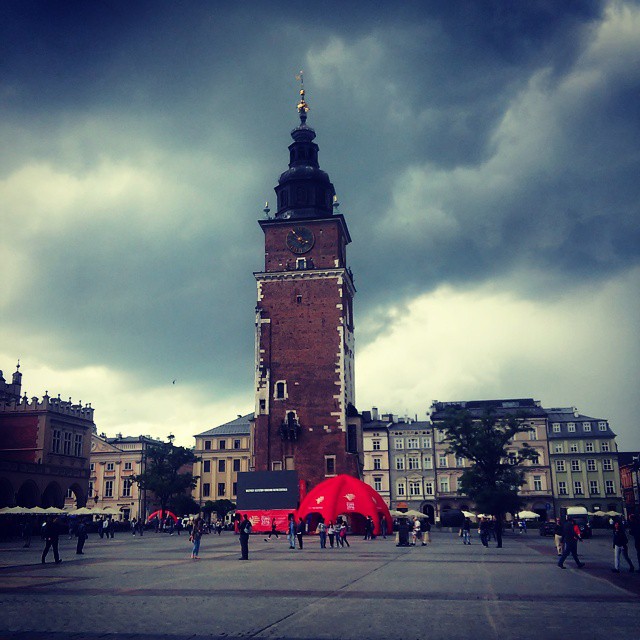
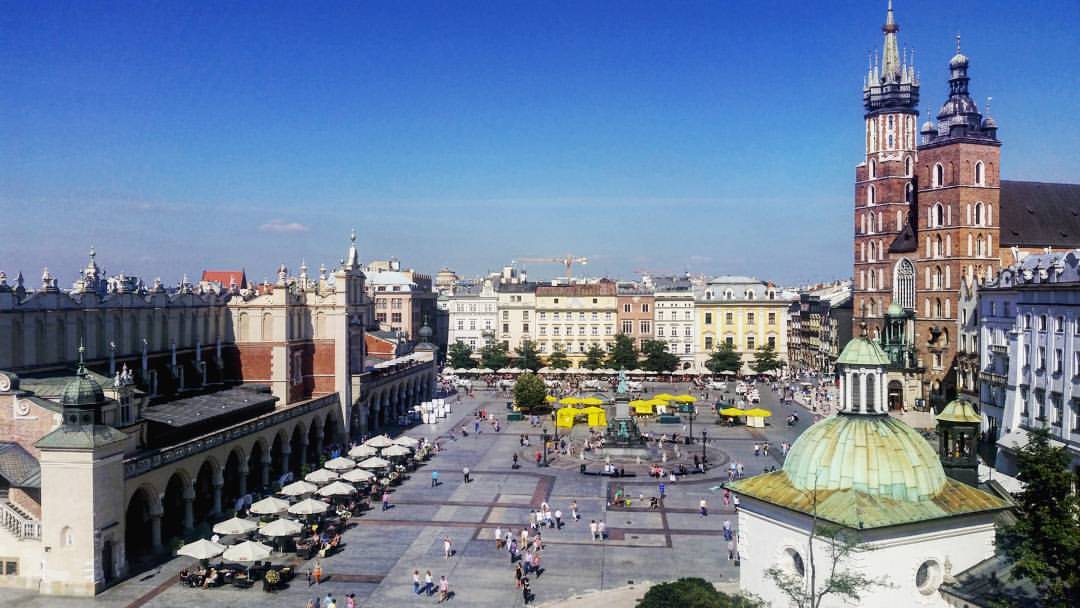
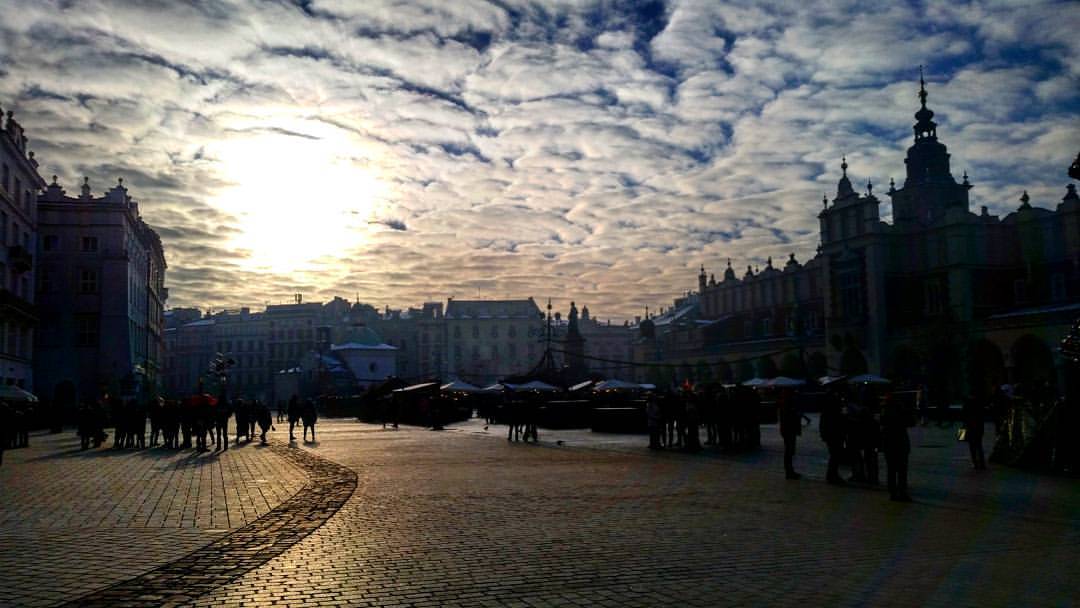
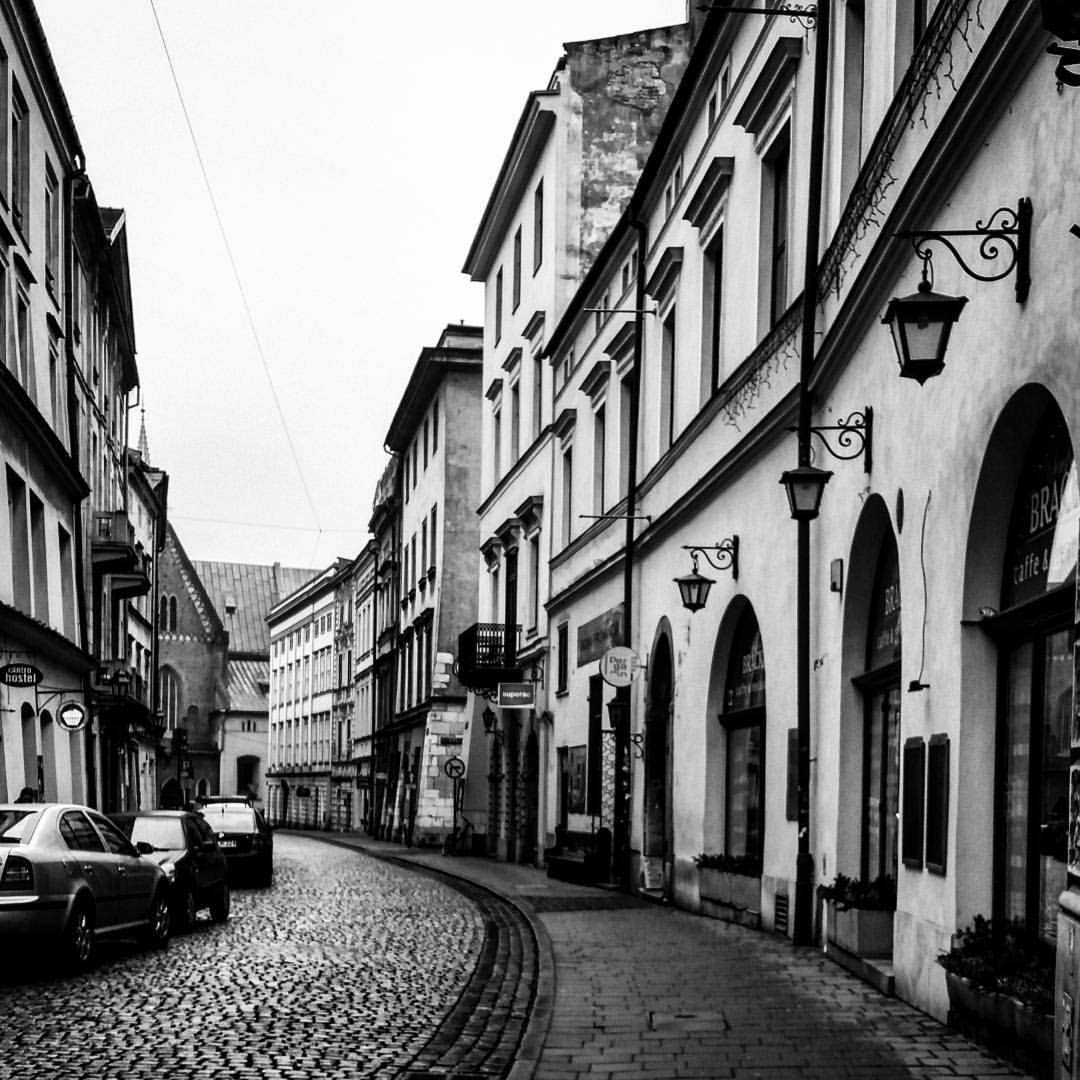
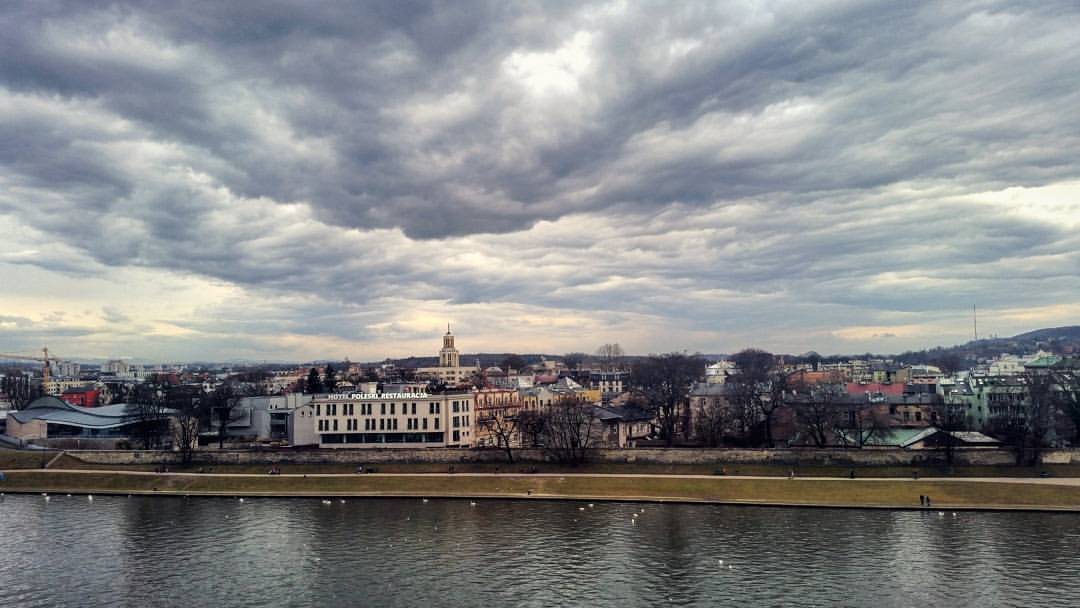
Kraków, the former capital of Poland, a magical city whose walls are permeated with medieval history. Year after year, it is visited by thousands of tourists eager to experience its incredible architecture and vibrant metropolis. Nothing brings the spirit of the city closer than its legends. They explain the beginnings of its characteristic places, customs, and artifacts. Choosing to explore with a guide, we will certainly hear more than one Krakow legend. Those who prefer to discover the city on their own and wish not only to know its history but also to experience it will surely be intrigued by the following legends.
Krakow's Pigeons
They have permanently inscribed themselves in the postcard image of Kraków. Pigeons swarm the market square, waiting for someone to feed them a crumb of the obwarzanek. Few know that these unassuming grey birds are under a spell... But let's start from the beginning. According to legend, it all began
in the 13th century when Henry IV reigned on the throne. As a ruler, he desired to unite all Polish lands so that he could crown himself king. Unfortunately, he was not very resourceful and suffered from a lack of money. To acquire it, he went to a witch, who transformed his knights into pigeons. The birds perched on St. Mary's Church and began pecking stones from the walls. As they fell to the ground, they magically turned into gold coins. The prince, having finally acquired the desired gold, went to the pope for support. Unfortunately, along the way, he squandered the money, indulging in festivities and banquets. He never returned to Kraków. And his knightly retinue still waits, enchanted as pigeons, for the prince to return and break the spell...
About the Towers of St. Mary's Church
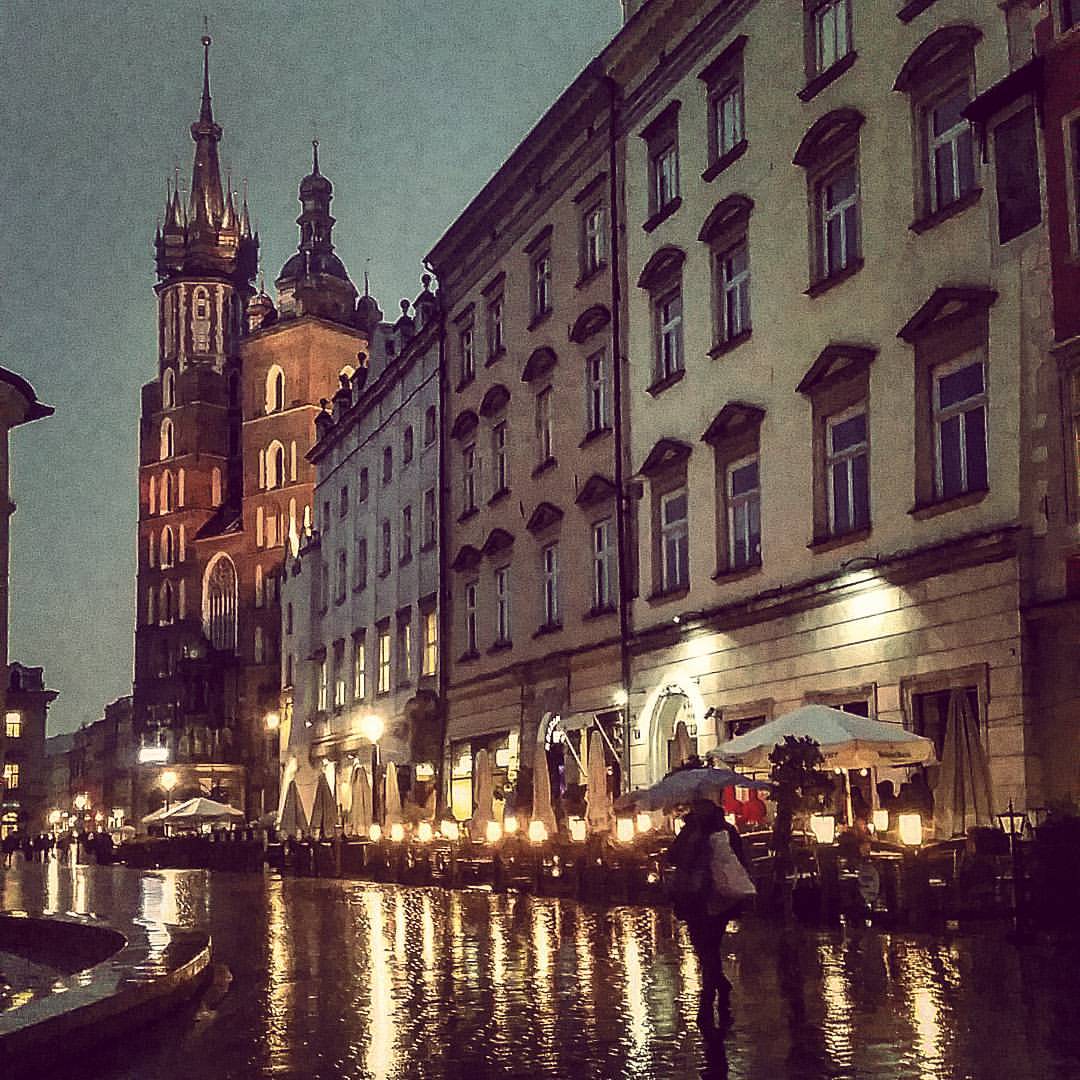
One of the most famous Krakow legends tells of how the towers of St. Mary's Church came to be and why they are unequal. At the end of the 13th century, two brothers, renowned for their masonry skills, began building the church. When the younger brother realised that his work was progressing more slowly and that his tower was shorter than his brother's, he killed him with a knife. However, the pangs of conscience would not allow him any peace; the murderer decided to end his life by jumping from the top of the tower.
The Knife in the Sukiennice
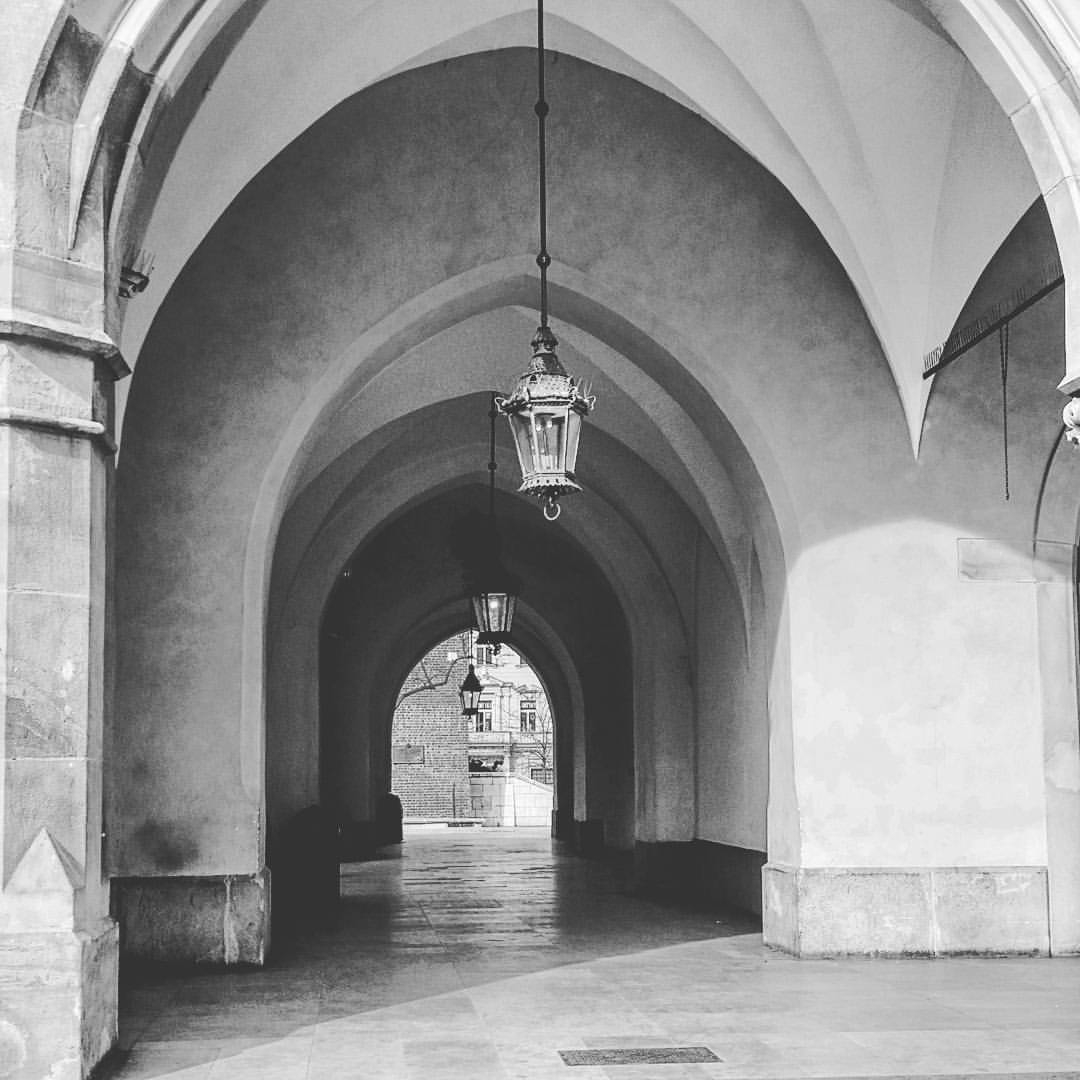
A seasoned tourist walking through Kraków's Main Market Square may notice a few interesting details. One of them is a knife hanging on a chain in the passage of the Sukiennice. The knife was probably placed there in the Middle Ages to remind people of the law. And it was very harsh - for petty theft, ears were cut off, and for greater theft, a hand. The knife is associated with the aforementioned legend about the construction of St. Mary's Church. It was with this knife that the fratricidal crime was committed. It was hung as a warning against committing murder. It is worth mentioning that currently, in the Sukiennice, we can only see a replica of the medieval knife.
The Wawel Chakra
Wawel is filled with history and incredible stories. Passing through its gates, one can feel a bit of the magic of this place. One of the Krakow legends states that on Wawel, we can find a chakra - one of the seven magical stones scattered in seven directions by the Hindu god Shiva. This stone provides energy and grants wishes.
The Wawel Heads
While visiting Wawel, tourists are drawn to the ceiling of the Ambassador's Hall, which is adorned with sculptures of heads. According to legend, one of them has a story. During the reign of Sigismund II Augustus, disputes among subjects were resolved in this hall. The king, listening to sometimes lengthy complaints from the townspeople, was very tired. Once, when listening to only one side, he immediately passed a verdict, when one of the heads present began to move. It opened its mouth, saying, “Your judgment, O King, is not just.” Upon hearing these words, the king listened to both sides of the dispute once more and changed his verdict. The king ordered the sculptors to cover the mouth of the wooden head of the woman. If we pay attention, we can still see this distinctive head today.
Photographer and text author: Ewa Bandyk