
Travels around Orawa [#03] - Jabłonka
![Travels around Orawa [#03] - Jabłonka](/images/Podroze_po_Orawie/PpO3/Jablonka_01.jpg)
Founded by Hungarians, "on the way" Slovak, now Polish. With a dialect that is not entirely Góral but has a Góral character. Formally a village, but unofficially the capital of the region. Simply Jabłonka.
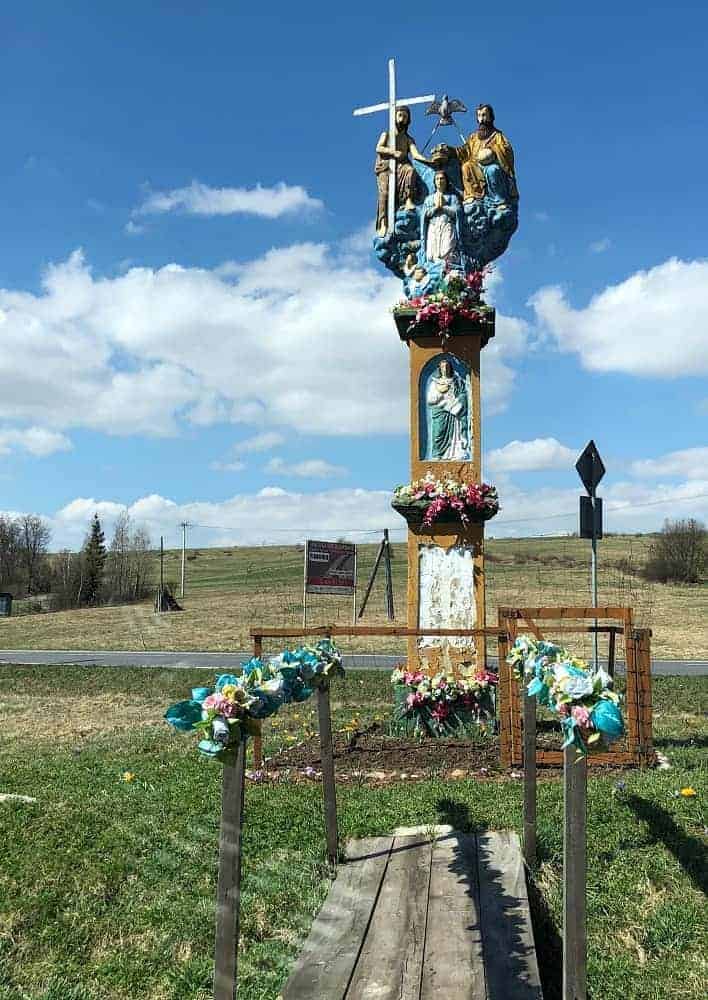
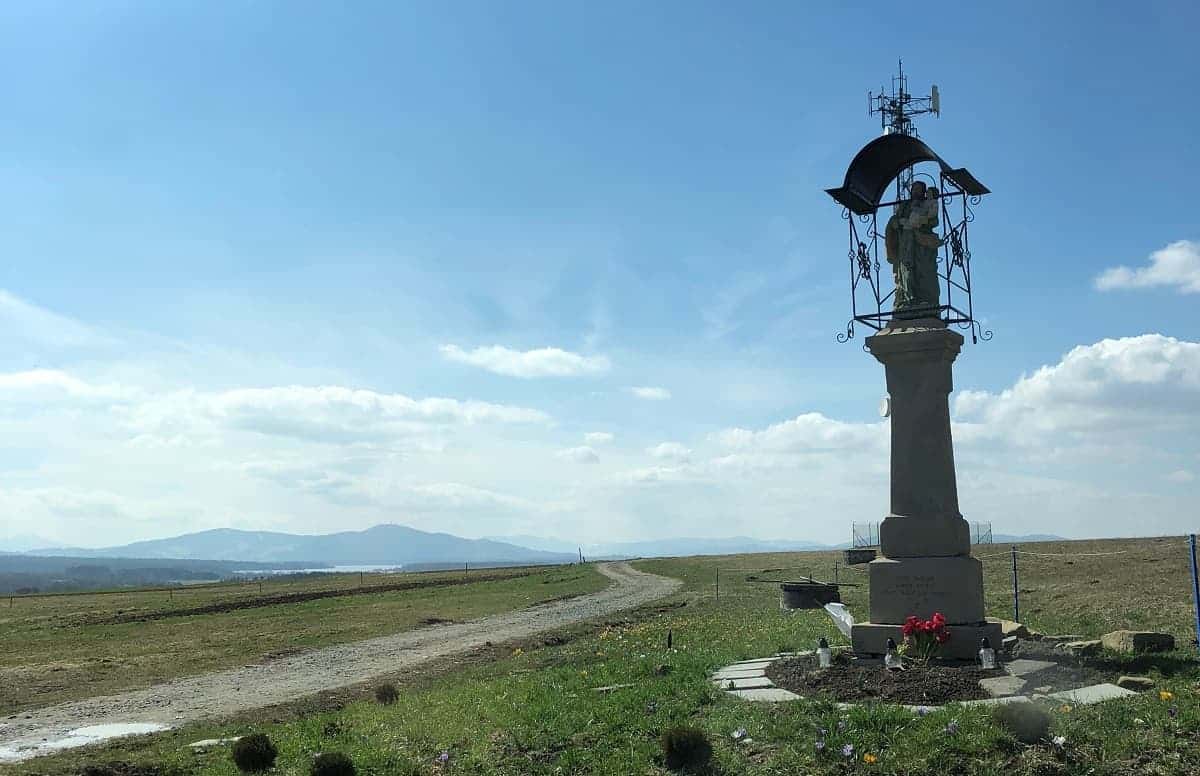
Situated along national road no. 7, it is often overlooked by tourists rushing to Zakopane. However, it's worth deviating from the route to visit this interesting place. The unwritten history of the village dates back to the 14th century, when a customs chamber was established here. This is no coincidence, as the salt route from Wieliczka to Hungary passes through the Orawa Basin. Despite the passage of time, Hungarian accents in local history and culture remain evident to this day, particularly reflected in the characteristic dialect, somewhat different from that known from Zakopane's promenade. One can also notice Slovak influences, especially during the annual Slovak Culture Days organized by the Orawa Cultural Centre. It is worth visiting Jabłonka during these days to see for oneself how life is lived at the crossroads of cultures. To discover not only the customs and traditions but also the place itself. In no other region can one see the characteristic wooden cottages with so-called "wyżki" or roadside chapels and stone figures, some of which date back to the 18th century. Also noteworthy is the brick church of the Transfiguration of the Lord, located on a hill, built in the early 19th century, replacing the first wooden church that burned down during religious conflicts in Orawa. The present temple is an example of Josephinian style, that is, a combination of Baroque and Classicism. The interesting neobaroque polychrome with figurative motifs and side altars catch the eye.
Author of the photos and text - Bogusława Bandyk