

Silesian Museum in Katowice
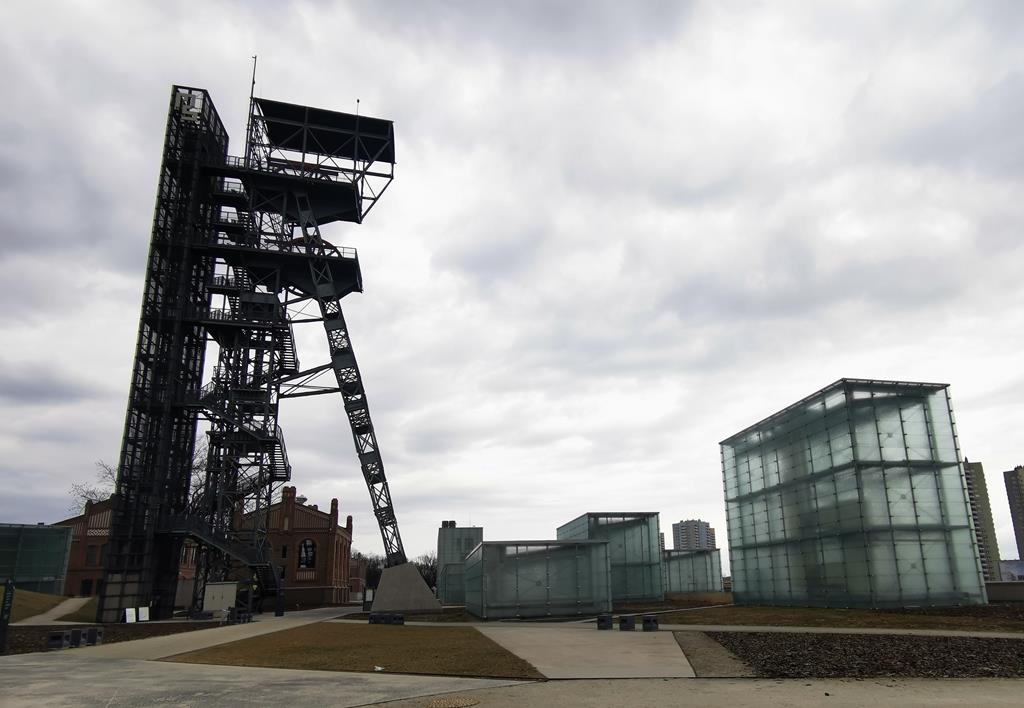
A point of interest on the map of Katowice that must be visited is the Cultural Zone, located in the heart of the city. It includes the International Congress Centre, the seat of the National Symphony Orchestra of the Polish Radio, and the Silesian Museum. These buildings were constructed on the site of the former "Katowice" Hard Coal Mine and attract attention with their intriguing shapes and eye-catching design.
Silesian Museum
The main building of the museum has as many as seven storeys, three of which are located 14 metres below ground level, while the remaining four, which are above, are designated for offices. Above ground, large glass forms dominate, designed to illuminate the exhibition halls located below. They create an incredible impression at night when a soft light seeps through the frosted glass. What interests visitors the most—previously mentioned exhibitions—can be found below ground level, where we can completely disconnect from the outside world. One of the symbols of the Silesian Museum, as well as the whole Silesia, is the majestically looking winding tower of the mine. Currently, this highest point of the complex serves as an observation tower. The permanent exhibitions of the museum include:
- Gallery of Polish Art 1800-1945
- Gallery of Polish Art after 1945
- Gallery of Non-Professional Art
- Gallery of Silesian Sacred Art
- Laboratory of Theatrical Spaces - The Past in the Present
- Light of History - Upper Silesia through the Ages
Gallery of Polish Art 1800-1945
In this part of the museum, we will find works of Polish painting and sculpture from 1800-1945, which cover all significant movements in Polish art. The collections include works gathered in the pre-war museum and those acquired after 1984. Unfortunately, many of them were lost or destroyed during the upheavals of the war. Stickers on the floor guide us about the artistic movements we are currently viewing. Notable artists presented include Stanisław Wyspiański, Józef Chełmoński, Józef Mehoffer, and Jacek Malczewski.
Gallery of Polish Art after 1945
After the hardships of war, artists endeavoured to redefine themselves and their work in a new historical context. The names of the artists we find in this part of the gallery are well known to us, as they had the greatest impact on the development of Polish art after 1945. This includes Władysław Hasior, Zdzisław Beksiński, and Tadeusz Kantor.
Gallery of Non-Professional Art
In this part of the museum, we have the opportunity to see the characteristics of non-professional art in Upper Silesia. The showcased works are directly related to the experiences of artists from everyday life and touch upon topics characteristic of the Silesian region.
Gallery of Silesian Sacred Art
Something for fans of the Gothic period and modern times. In this section, we will find over 120 objects collected by the Silesian Museum and the Archdiocesan Museum in Katowice. A complete spectrum of sacred art can be found in one place: painting, sculpture, lanterns, candlesticks, kneelers, fonts, monstrances, altar wings, and even a fragment of stained glass.
Laboratory of Theatrical Spaces - The Past in the Present
Here we will find everything related to theatre, starting from ancient theatre up to the contemporary stage. Thanks to mannequins, we have the chance to see how theatrical space has transformed over the years. Additionally, the exhibition showcases numerous projects, sketches, models, and costumes.
Light of History - Upper Silesia through the Ages
Undoubtedly, this exhibition makes a huge impression on everyone. The entrance is a reconstruction based on photographs of the Katowice mine gate, paying simple homage to the place where the exhibition is organized. By passing through it, we have the opportunity to walk through nineteen different thematic and chronological spaces. Starting from the earliest times associated with settlement and ending at the decline of the People's Republic of Poland, we go through sections:
1. Markownia
2. The Earliest History
3. The Palace
4. Industrialisation
5. The City
6. New Architecture
7. Identity
8. Workers' Settlements
9. The Great War
10. The Plebiscite
11. The Third Silesian Uprising
12. Between the Wars
13. The Second World War
14. Shadows of War
15. The Fiction of Communism
16. Confrontation with Reality
17. The Time of Solidarity
18. Martial Law
19. The Decline of the People's Republic of Poland
One thing is certain: during this exhibition, we are greeted with a wealth of information that we can explore thanks to over 800 exhibits. All of this is presented in an appropriate scenic setting and accompanied by a cacophony of sounds that beautifully underscore the atmosphere of each space. As we uncover further chapters, we can peek into a Silesian apartment in a block, see a gallery of photographs, watch a newsreel, and nostalgically return to toys we may remember from our childhood. The exhibition also highlights an important aspect of life in Silesia, including the dilemmas and choices that Upper Silesians often faced. In specific sections, we can find leaflets explaining Silesian nomenclature as well as what heklowanie is, what weddings involve, the game of skata, and what tyta is. Leaving this exhibition, we may feel disappointed that it's already the end of our adventure in discovering the secrets of Upper Silesia.
Photo and text author: Ewa Bandyk