
Swidermayers
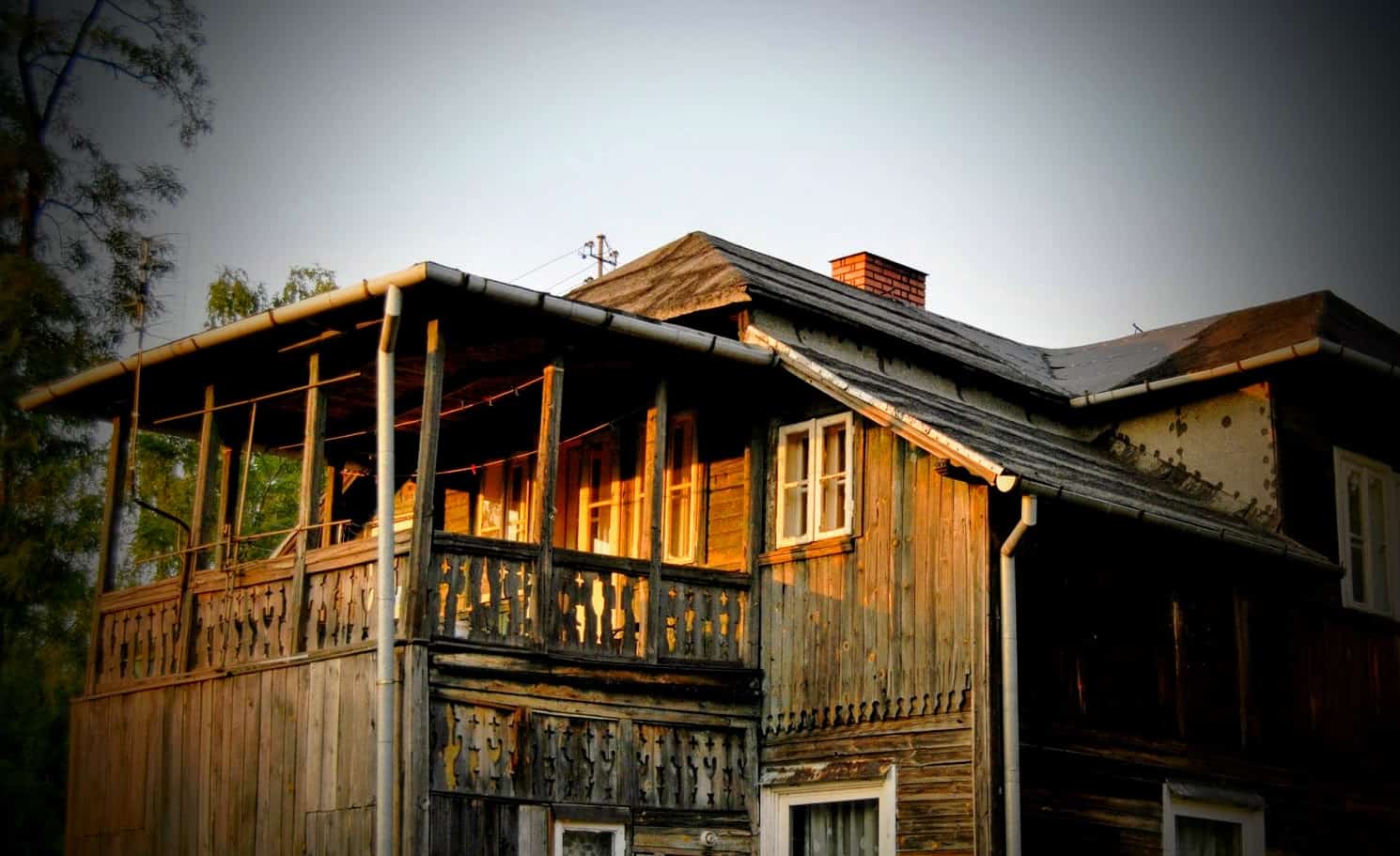
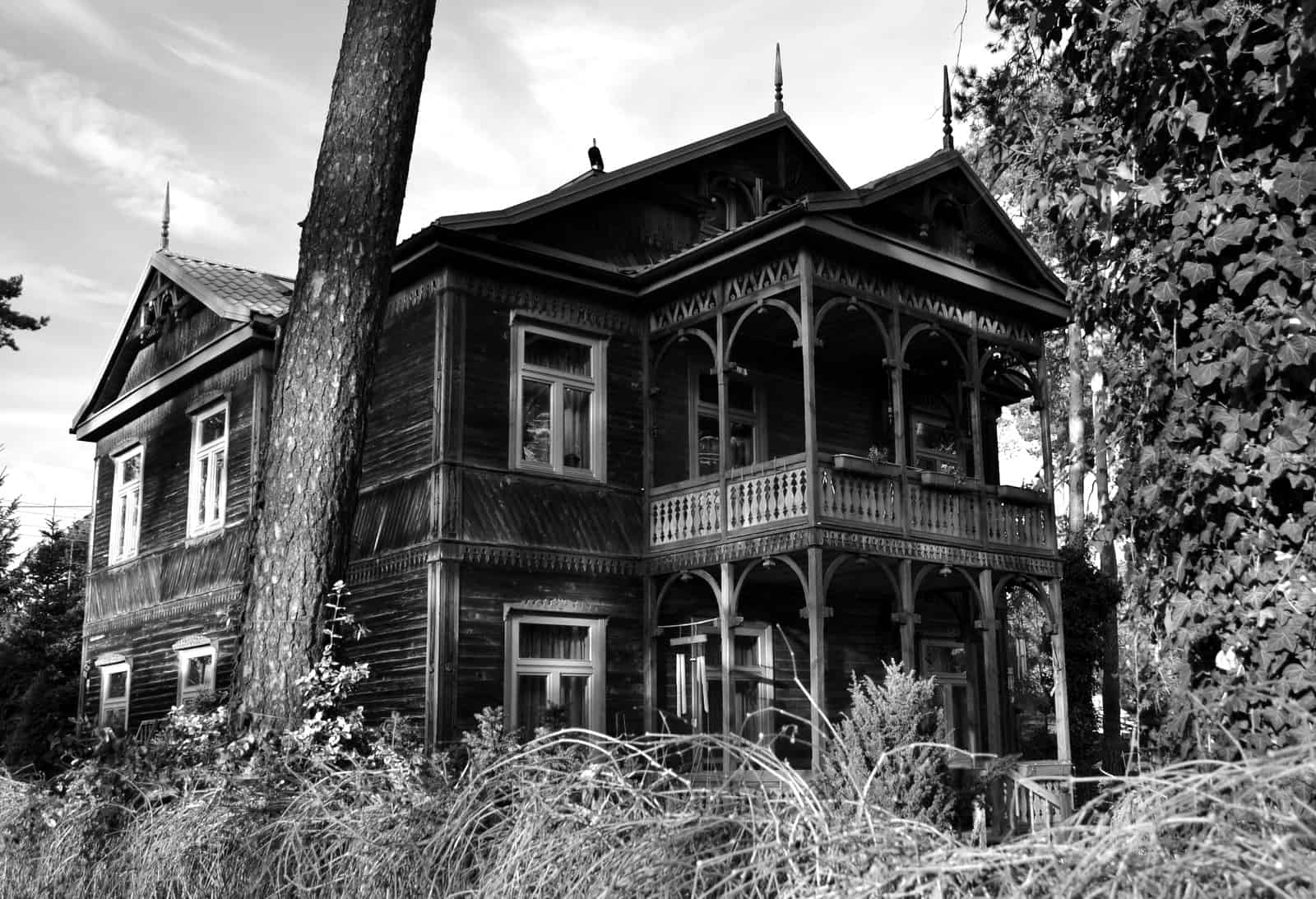
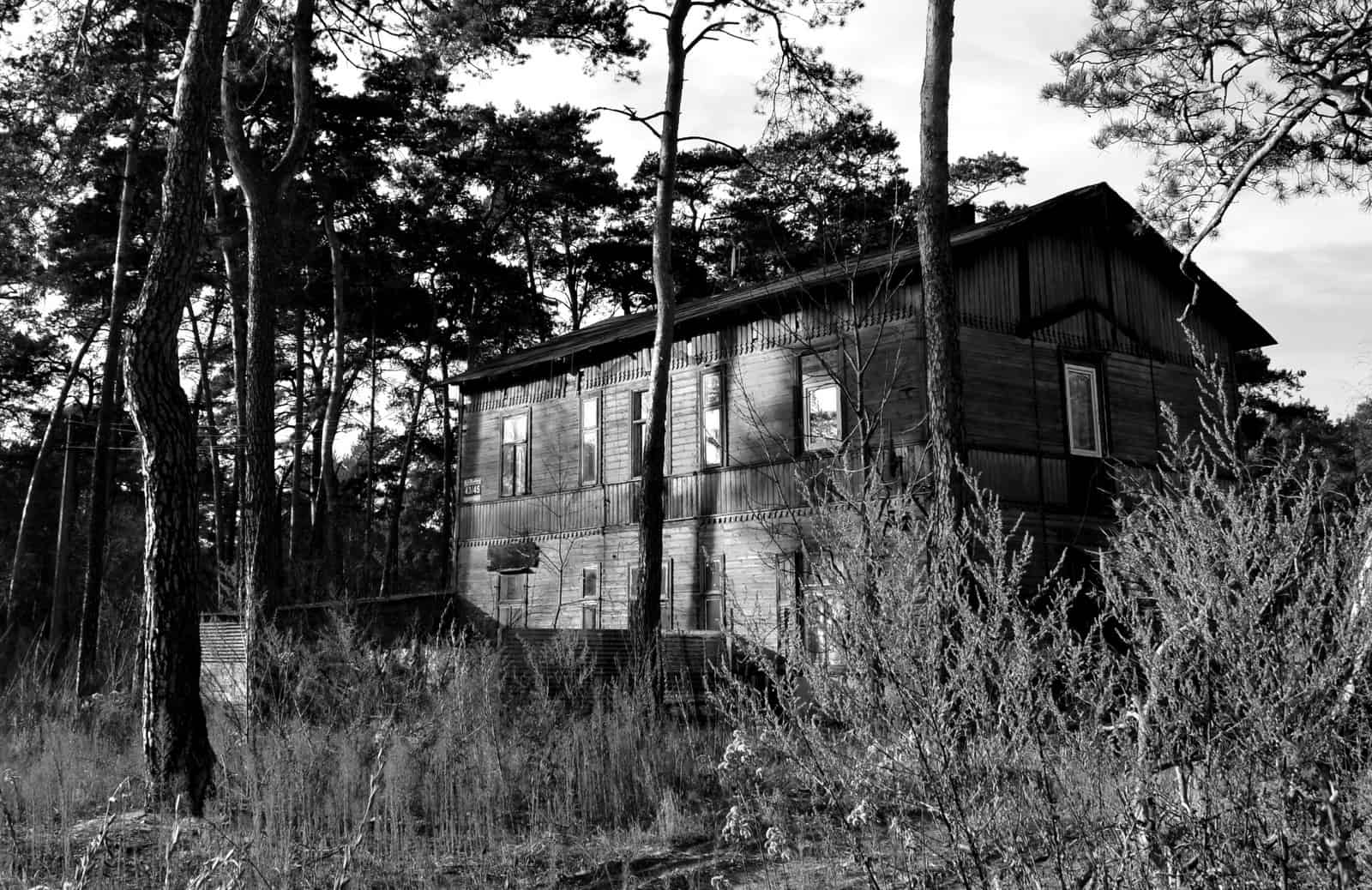
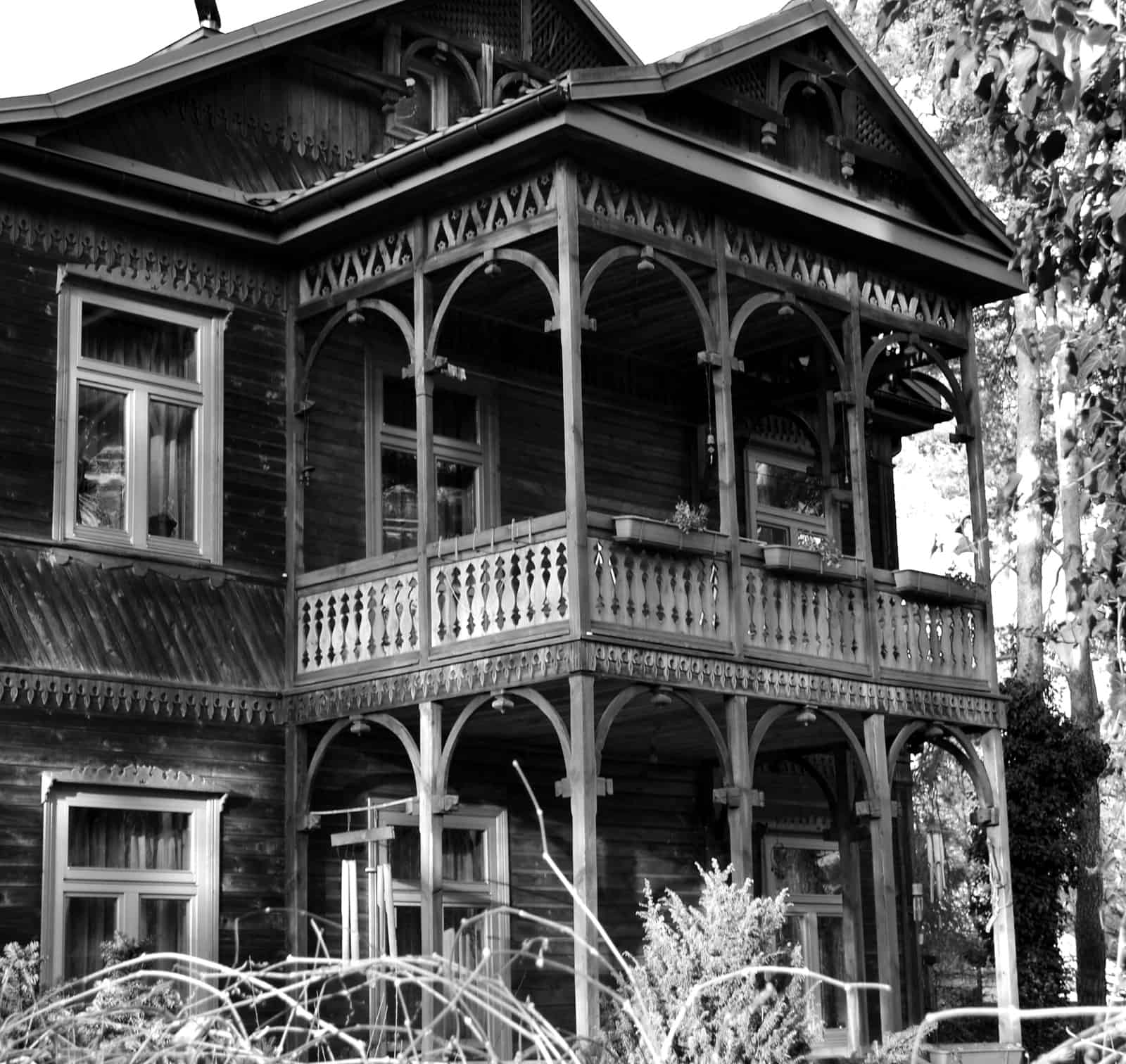
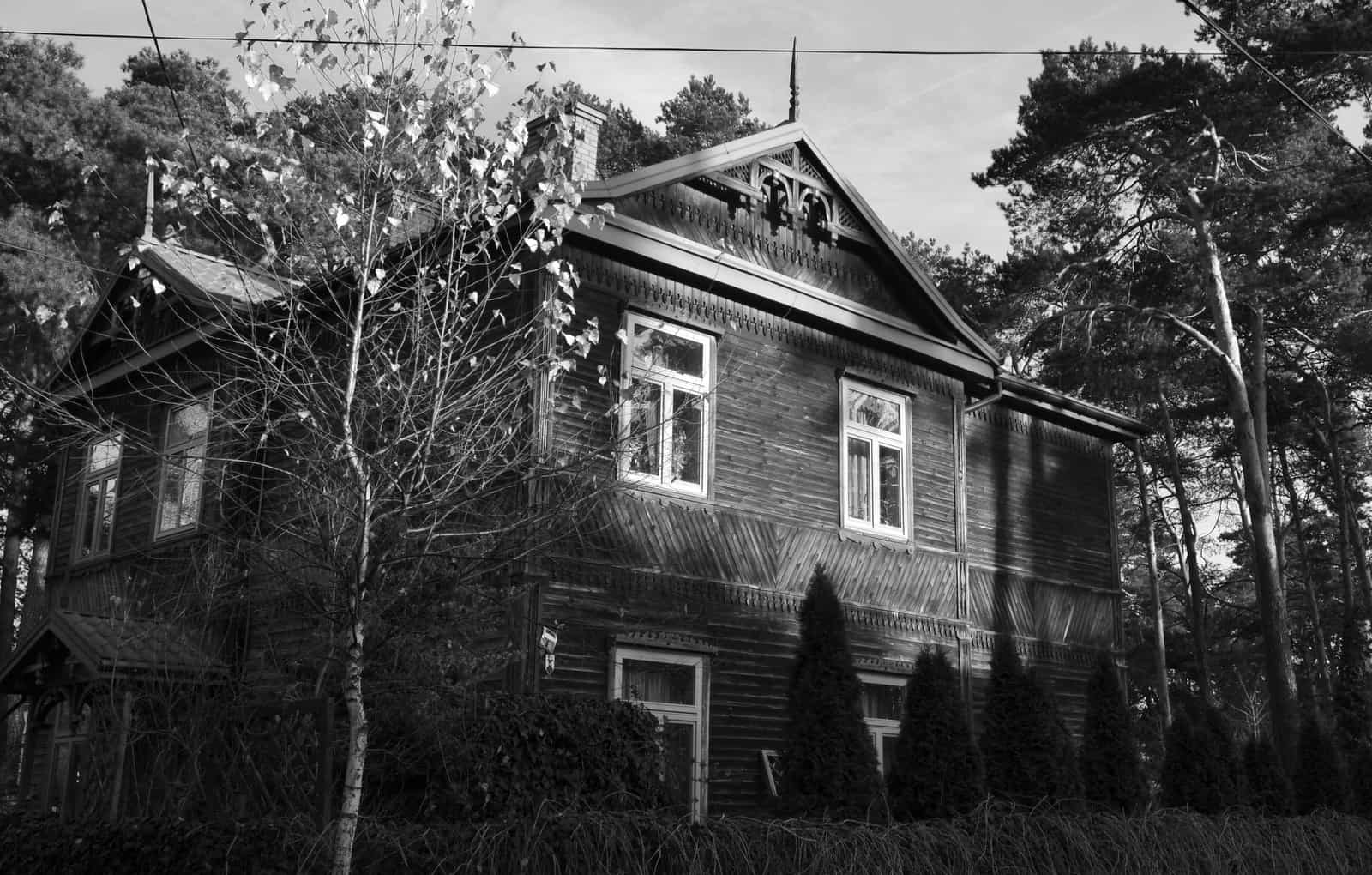
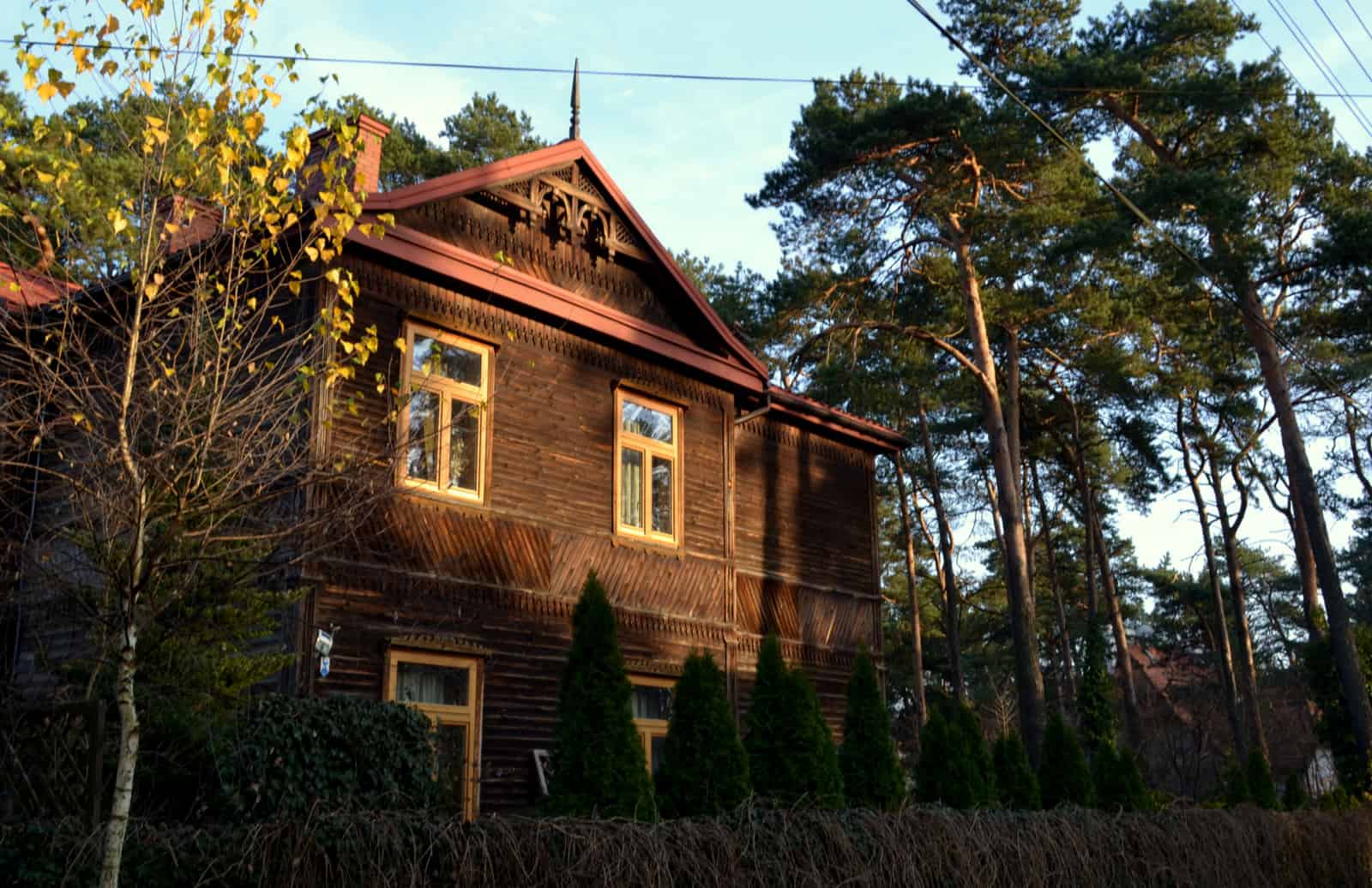
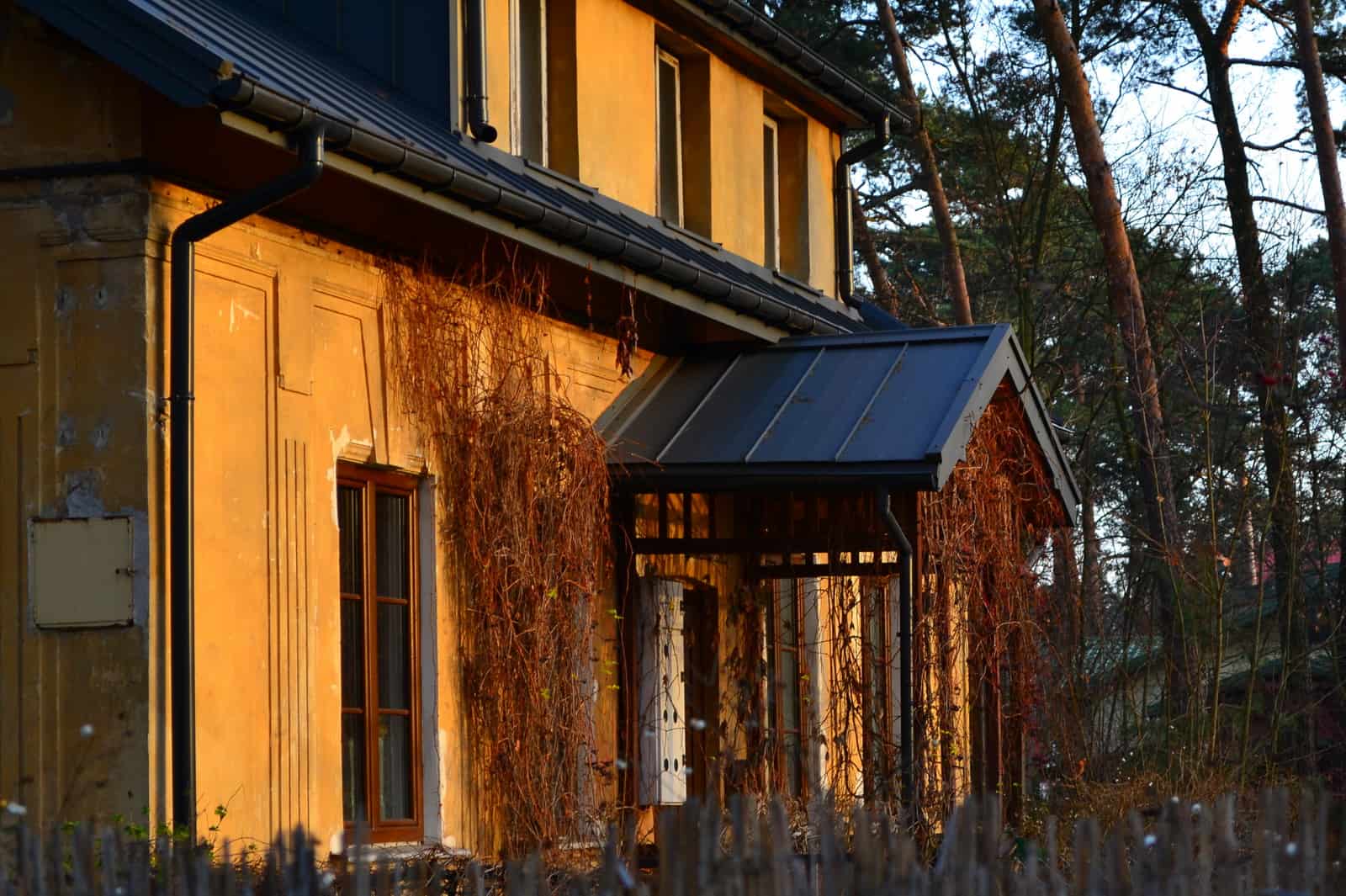
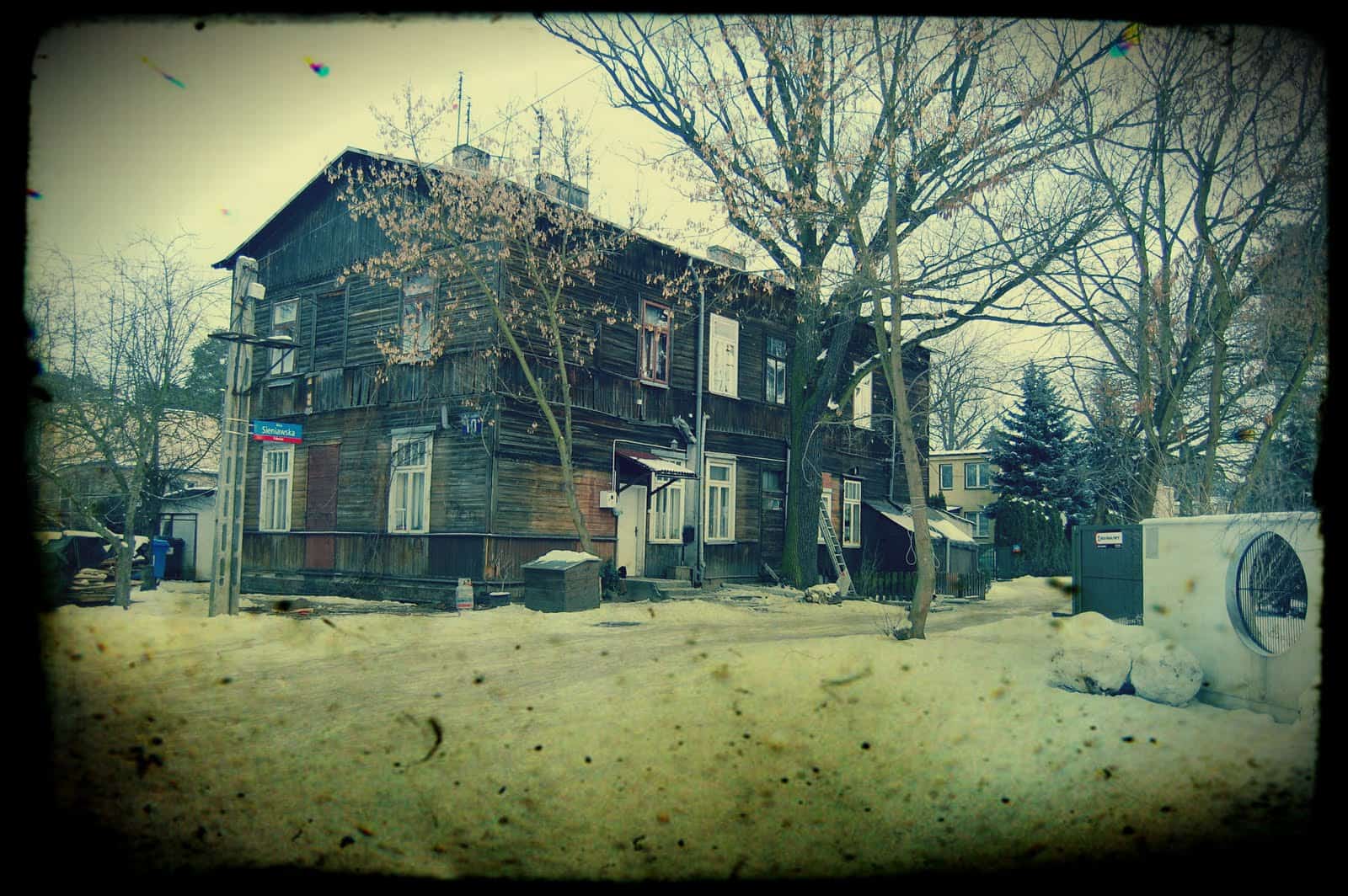
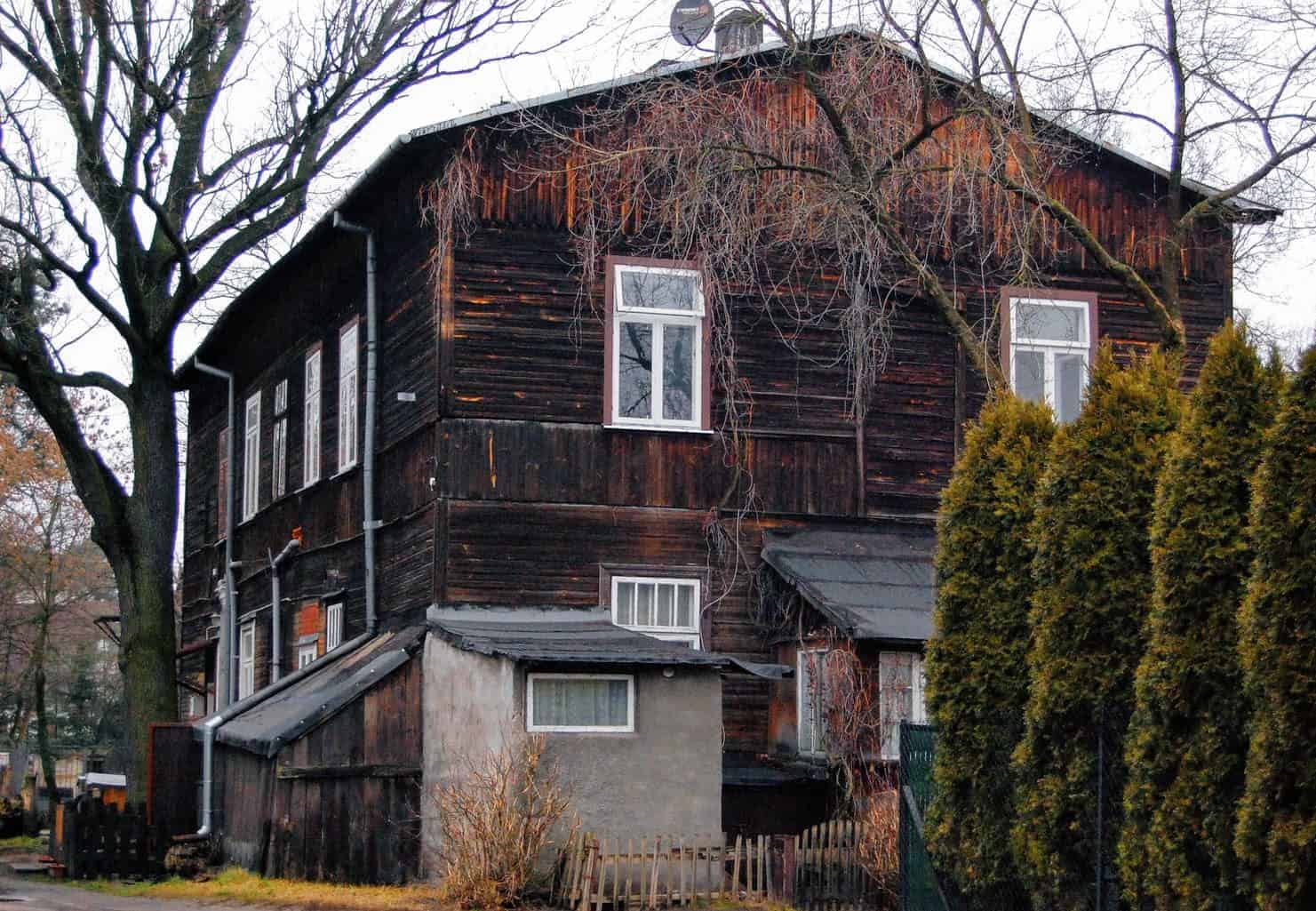
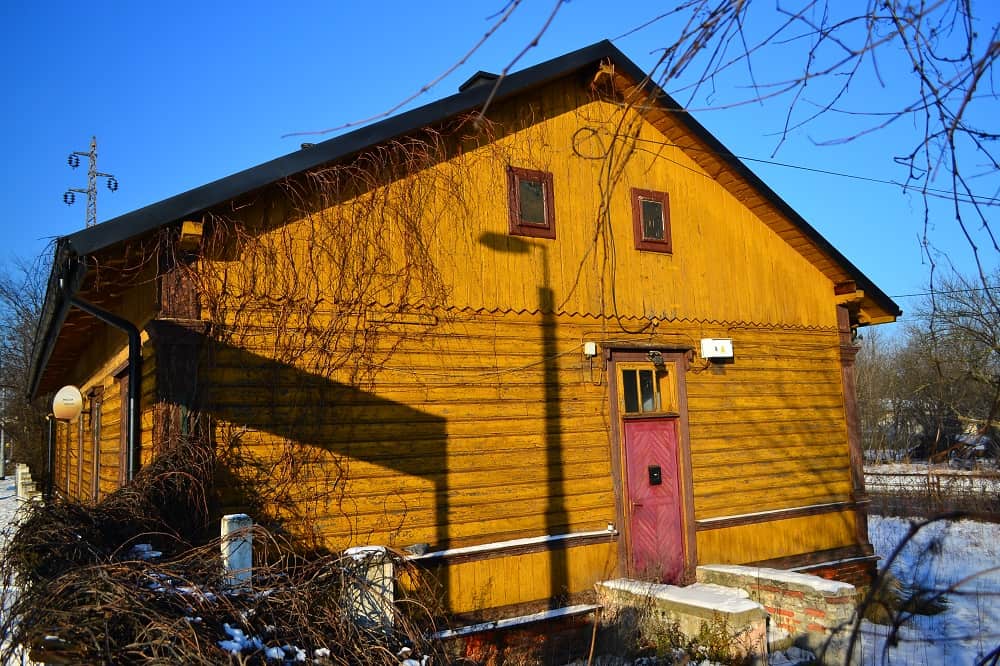
Świdermajery - a former wooden holiday architecture in Mazowsze. Extraordinary pearls of wooden architecture - villas and guesthouses scattered in the pine forests near Warsaw, dating from the turn of the 19th and 20th centuries. In 1885, Michał Elwiro Andriolli, a well-known artist and illustrator of the time, commissioned a manor in his purchased estate by the Świder River, which featured verandas and an entrance hall inspired by Alpine and Russian styles. In a short time, Andriolli built a number of additional villas in a similar style, rented out to summer visitors. During that period, a riverine railway line was launched, leading to an influx of holidaymakers to the areas along the Warsaw-Otwock route. This region became a destination for excursions and summer holidays. Anin, Międzylesie, Radość, Miedzeszyn, Falenica, Michalin, Józefów, Świder, Otwock, Śródborów - along this route, one can still admire houses with soul scattered in the forests, stylish wooden homes, and resorts that remember the times of their former glory, hotels, and sanatoria.
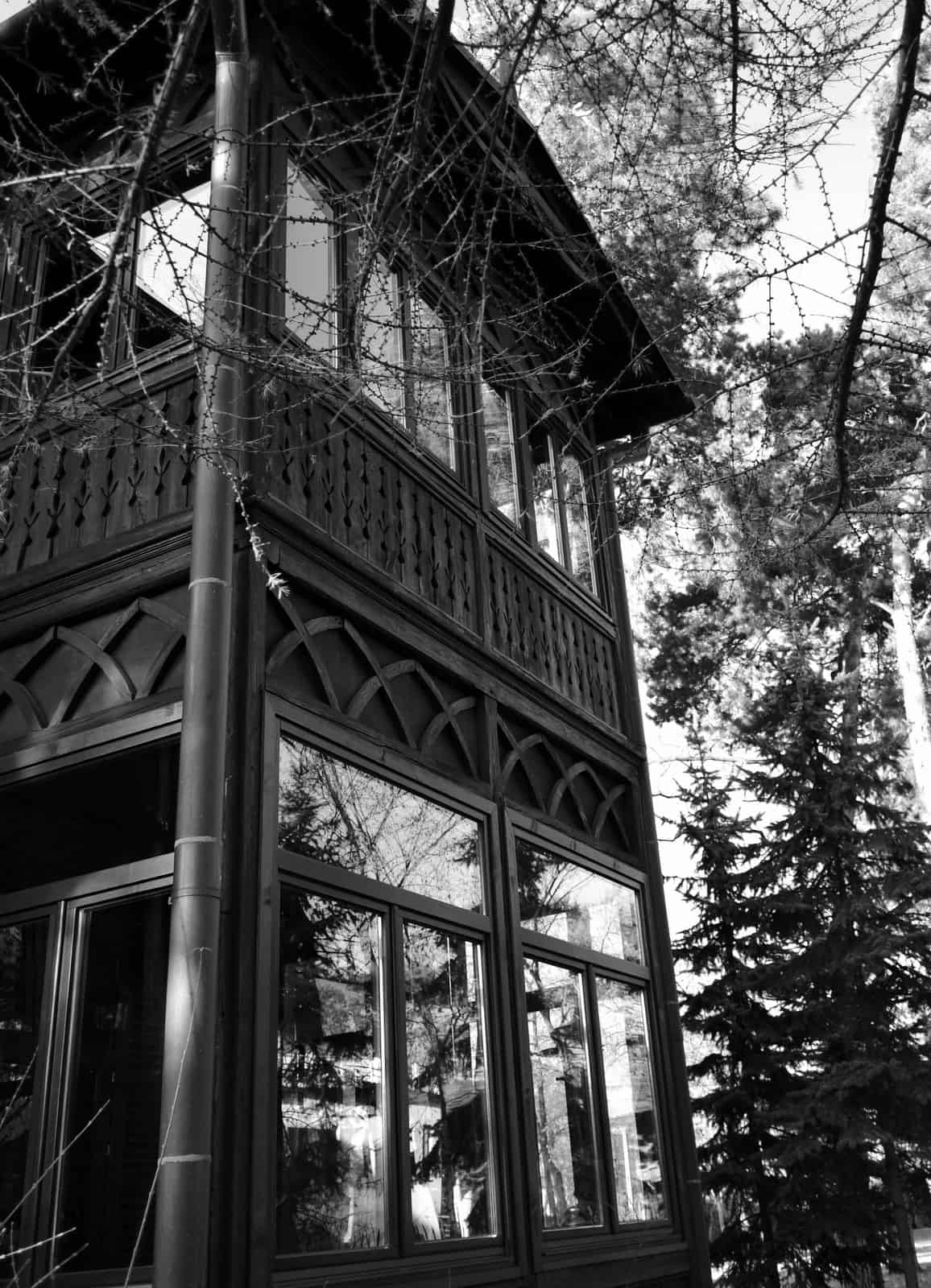
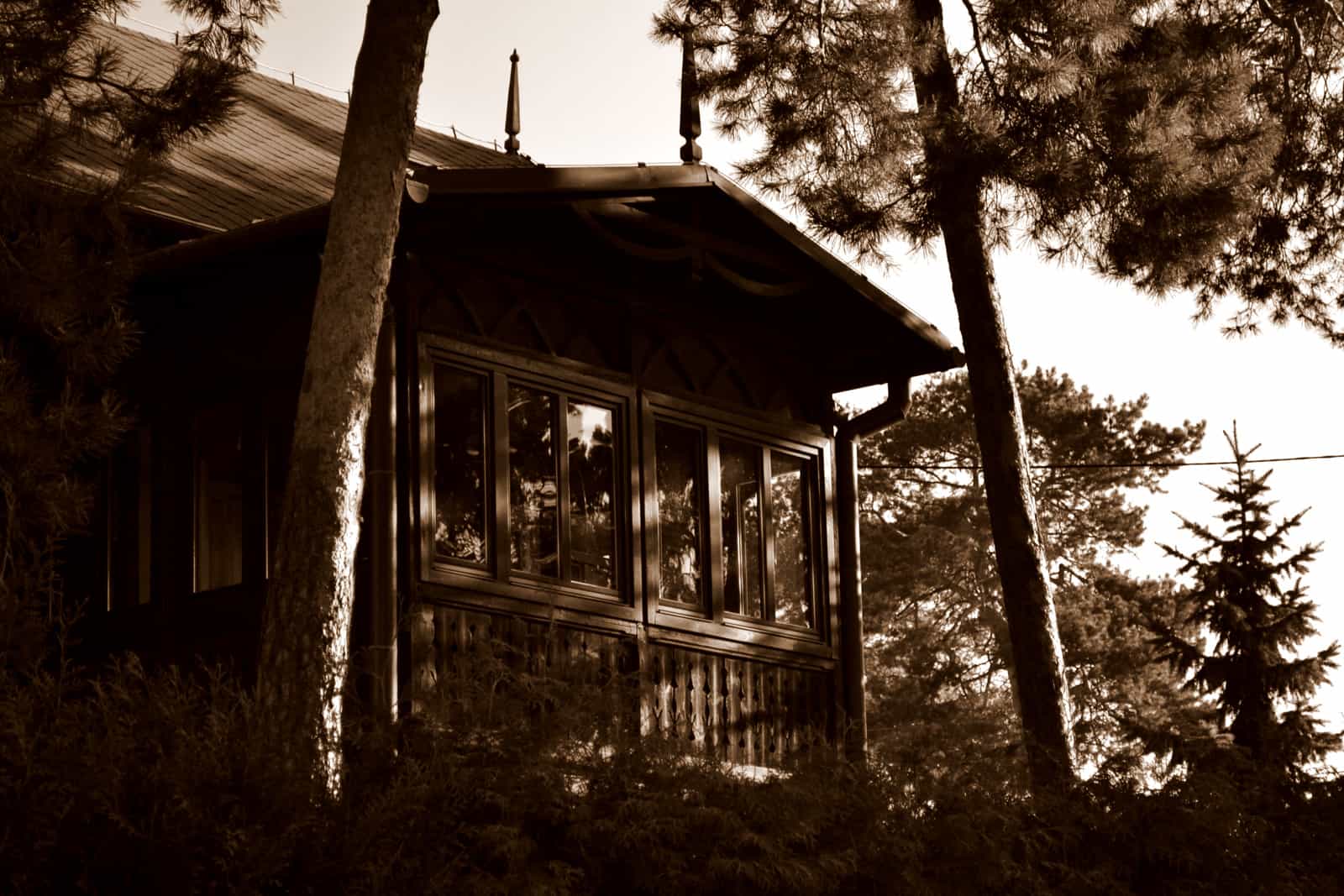
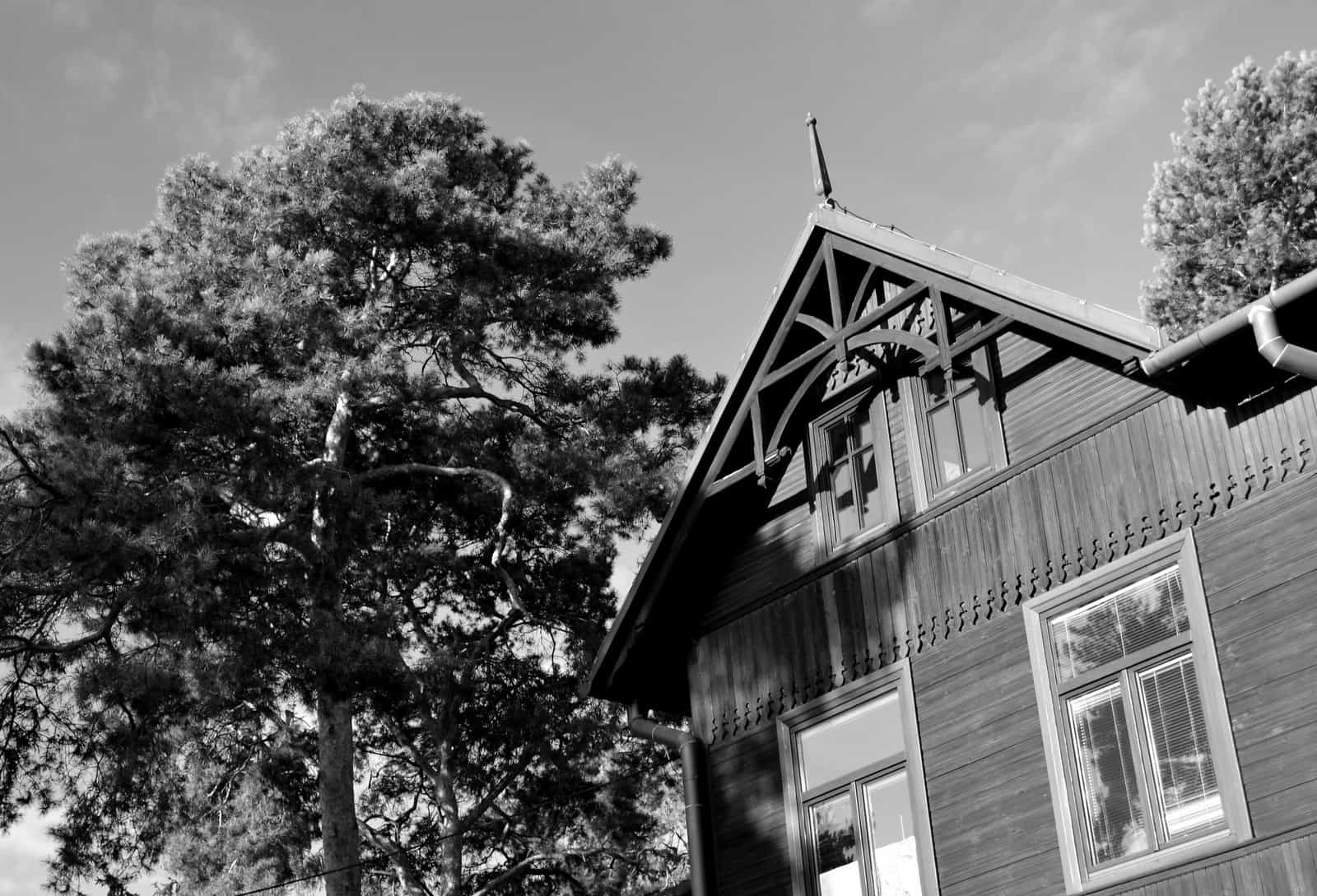
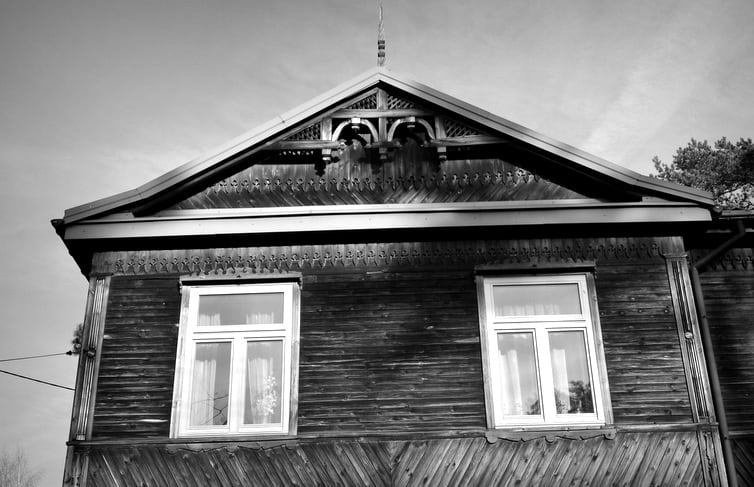
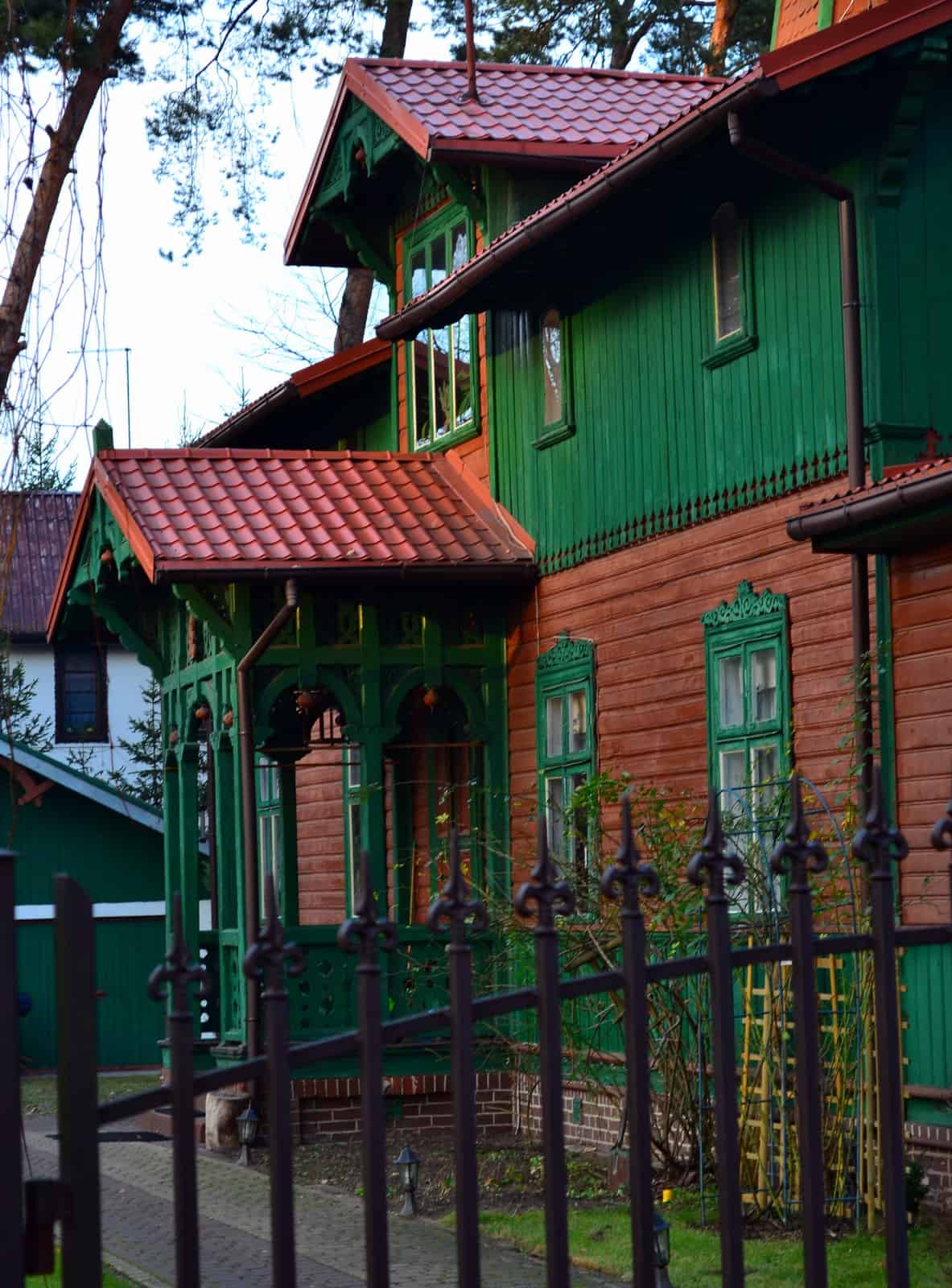
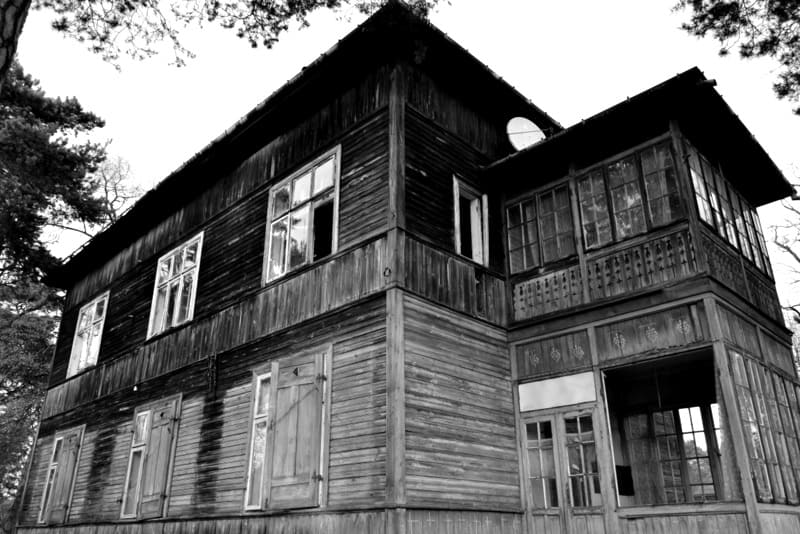
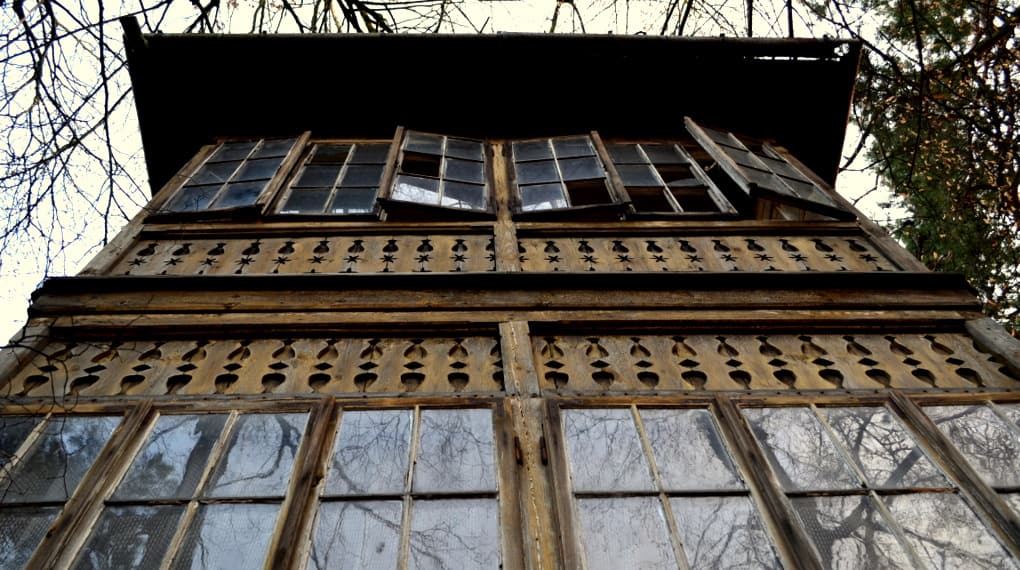
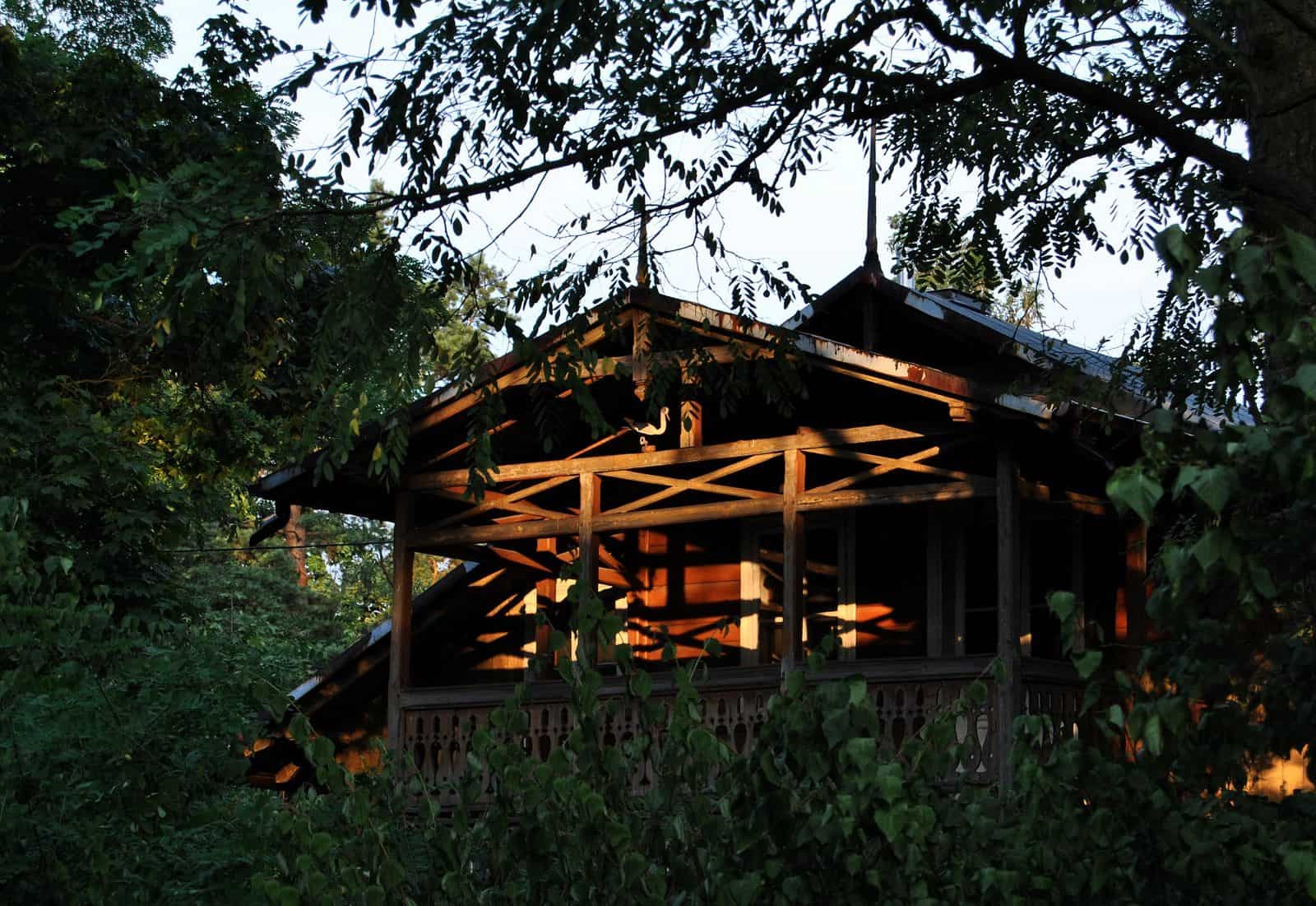
The most popular name for the style - "świdermajer" is a concept from the 1930s, created by the poet Konstanty Ildefons Gałczyński. Other terms still in use include "holiday architecture of the Świder area" or "Andriolli style". Świdermajery are characterized by wooden walls, gabled roofs, richly decorated, glazed verandas, and sometimes towers topped with spires; balconies have ornate wooden railings, and the windows feature beautifully crafted shutters.
Several thousand buildings in this style were constructed, but few have survived to the present day, roughly around 400 buildings. In Otwock alone, around 140 structures have been included in the provincial register of monuments. These include:
- the "Gurewicz" villa of the ABRAM GUREWICZ HEALTH RESORT,
- the "Lala" villa from 1906 located at 29 Reymonta Street, once belonging to Jakub Schatzschneider, the father-in-law of Władysław Reymont. The author of "The Peasants" used to come here for rest,
- the house at 39 Kościuszki Street,
- the former Jewish sanatorium of Dr. Władysław Przygoda from 1895 at 1 Dłudkiego Street,
- the villa of the Wedl family from around 1910 at 92 Kołłątaja Street,
- the "Podole" villa from around 1899 at 15 Kościuszki Street,
- the "Na Górce" villa,
- the "Kasperowiczówka" villa from 1912 at 13 Prusa Street.
More and more people are showing interest in the świdermajery; carpenters replicating the architectural motifs of the świdermajery have emerged. Every year, Otwock hosts a three-day celebration for lovers of the local wooden villas, guesthouses, and sanatoria, organized by the portal Świdermajer.info and the Friends of Otwock Society. This year marks the 7th edition of the Świdermajer Festival.
Stylish wooden homes appear in the film "Pora umierać" by Dorota Kędzierzawska, in the novel "Piękna ruina" by Piotr Paziński, and in the music video "Melodia ulotna" by Mela Koteluk.
Author of the photos and text:
Katarzyna Krajewska
Author's website - www.fotofiszka.eu