
Castle Książ
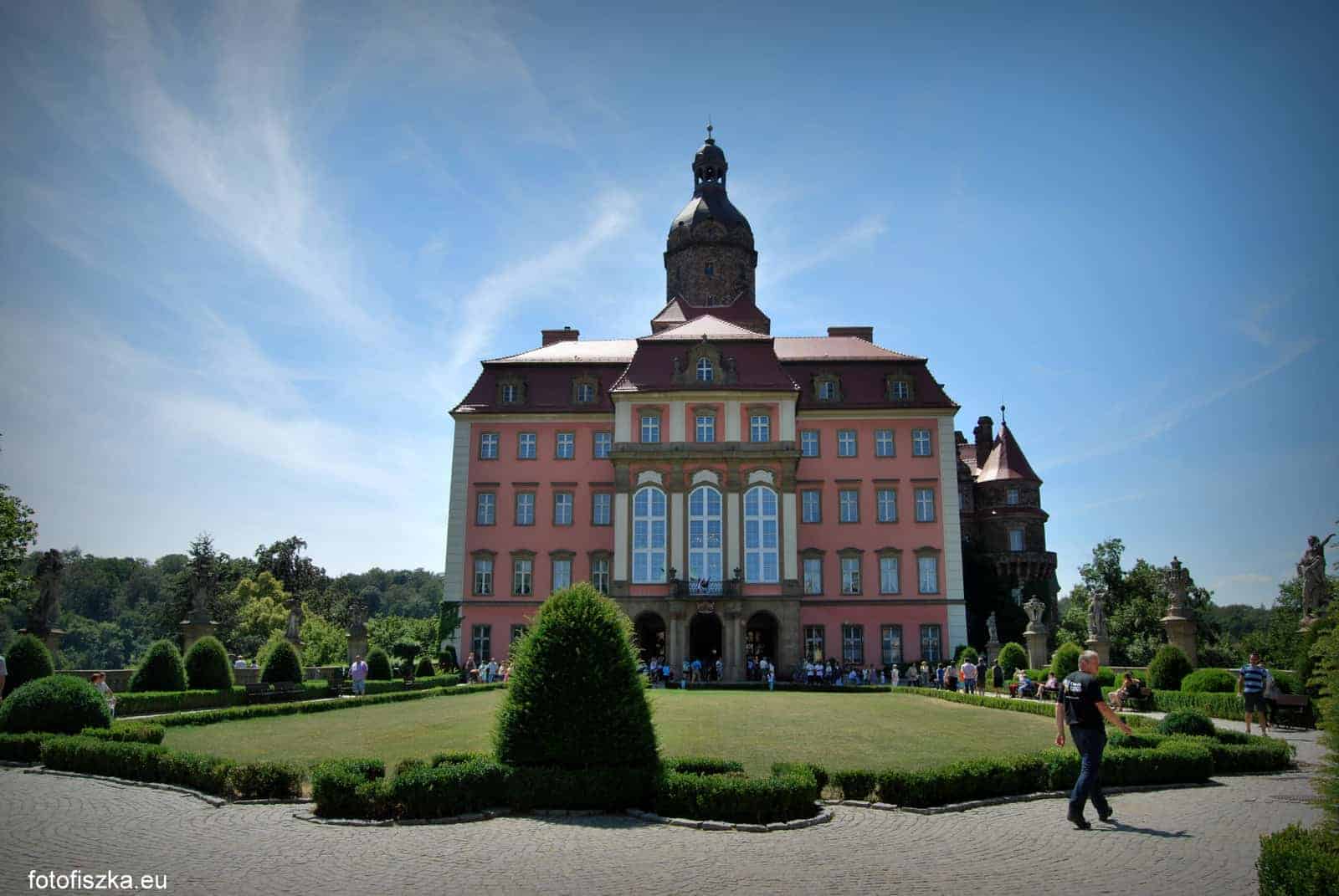
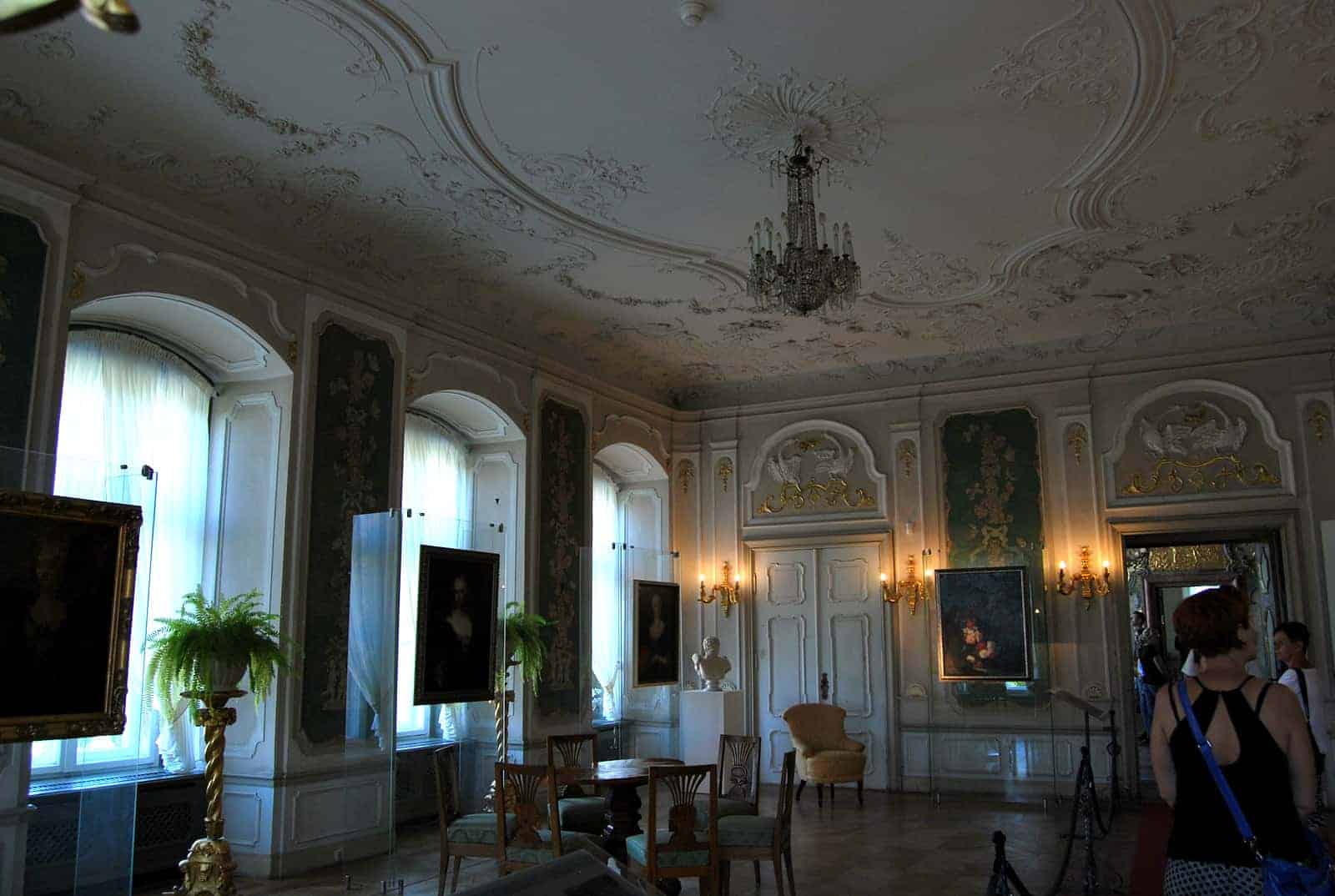
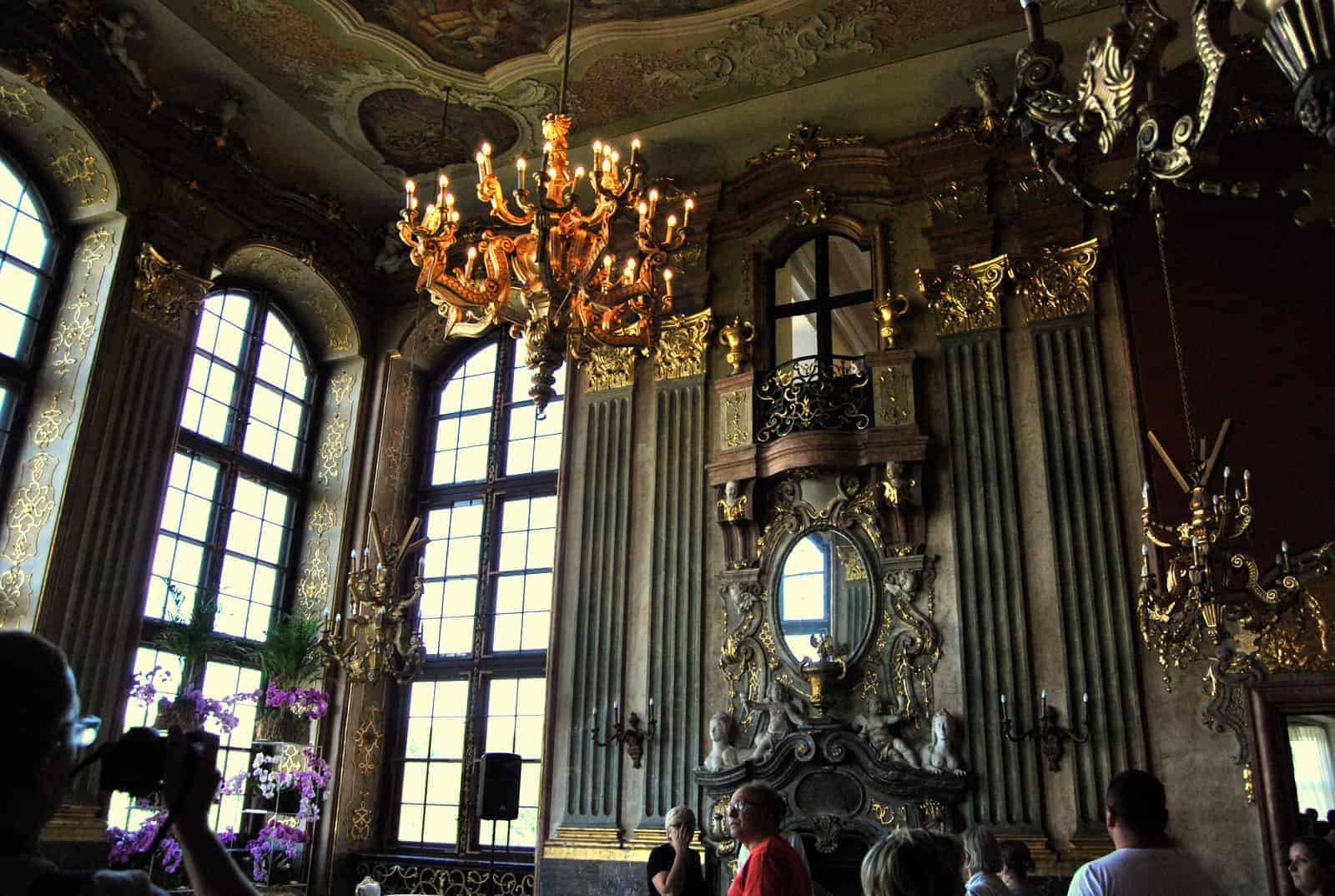
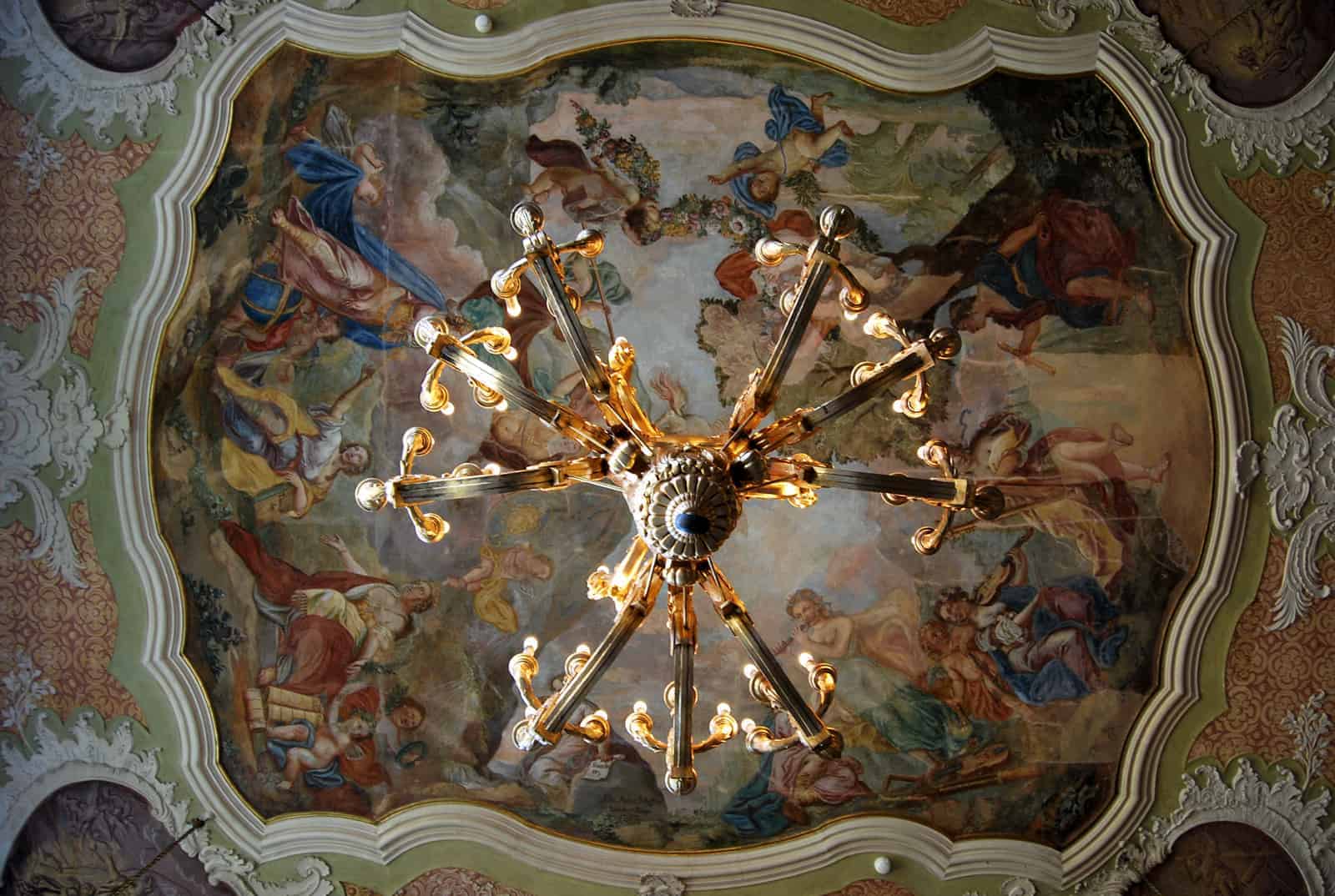
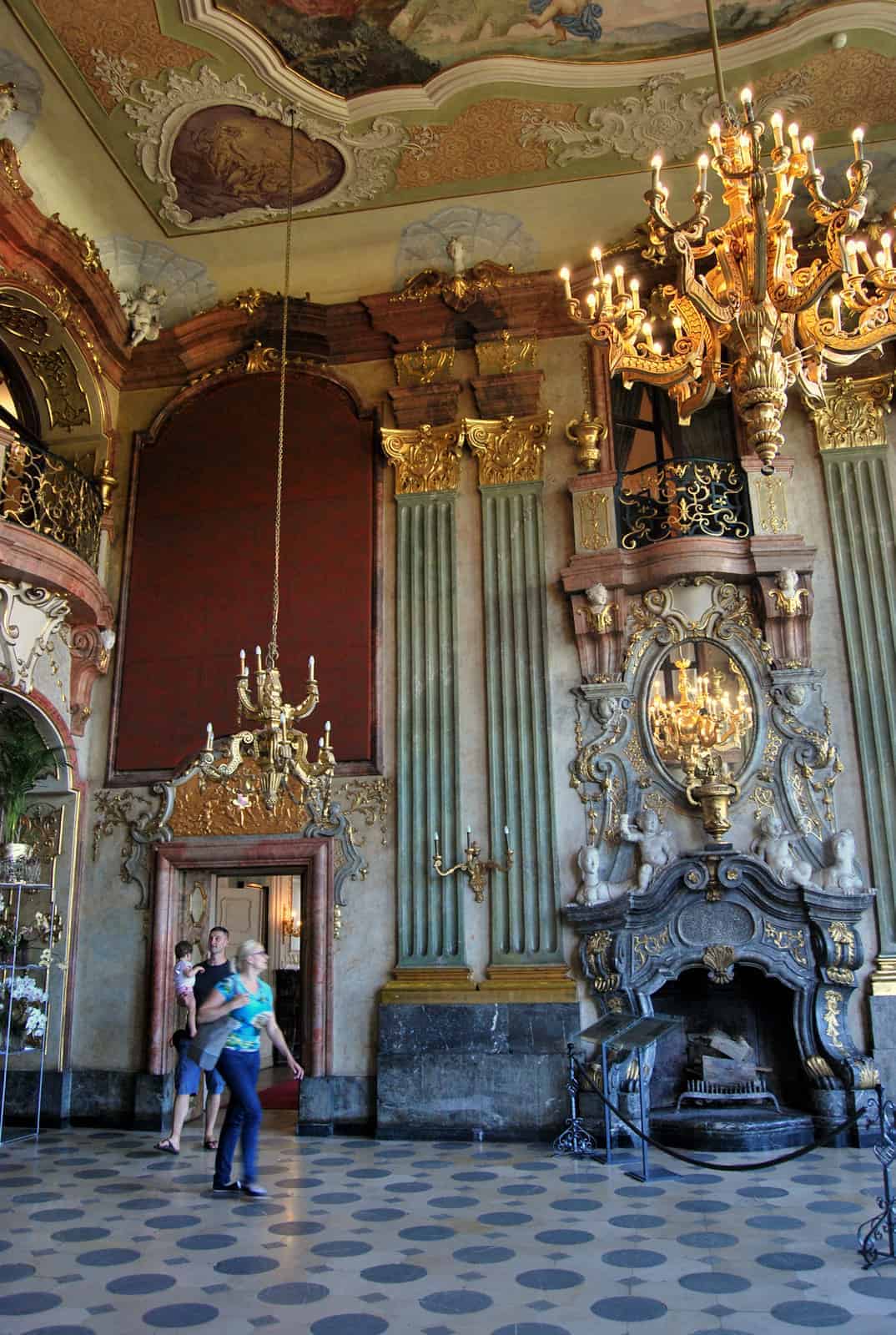
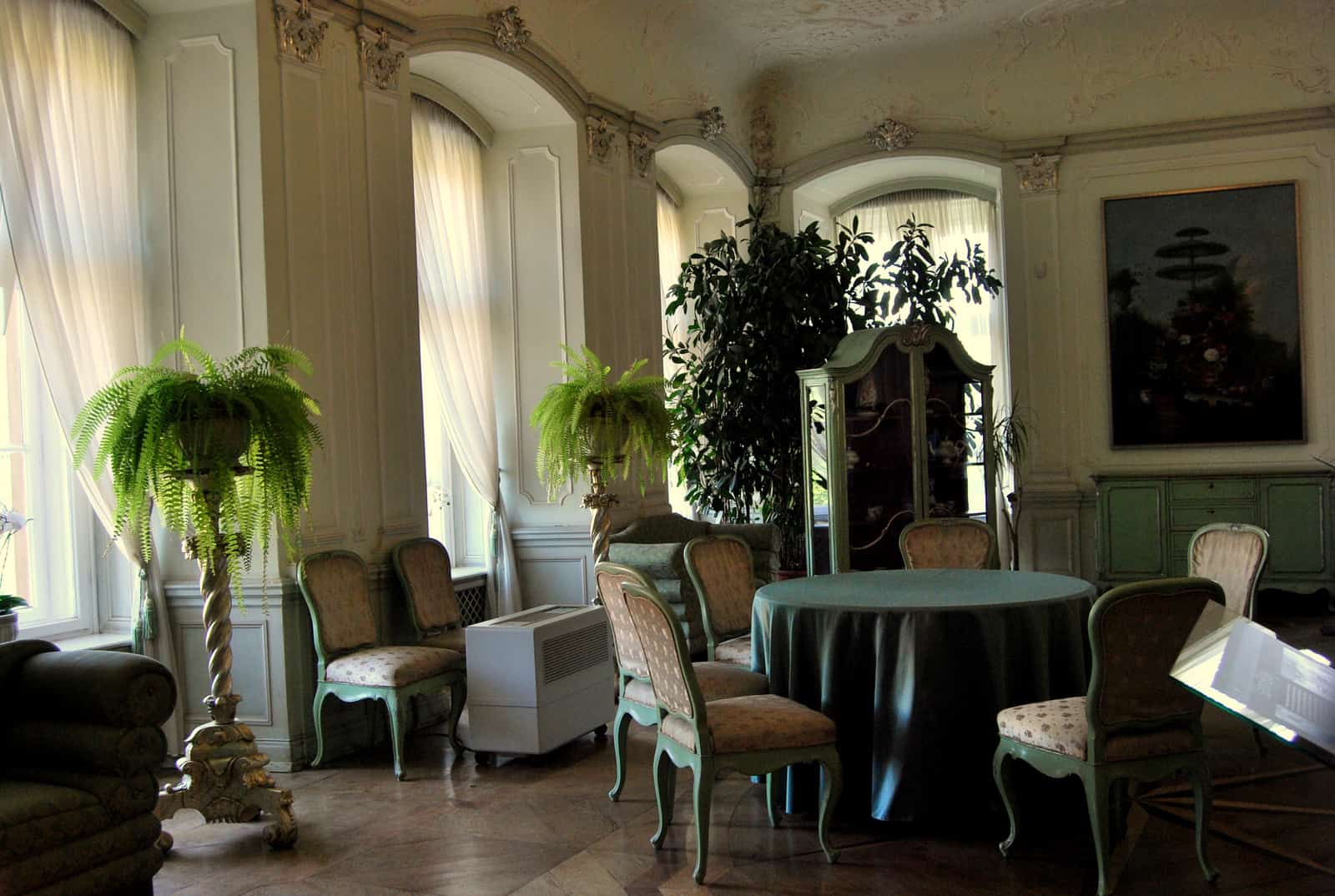
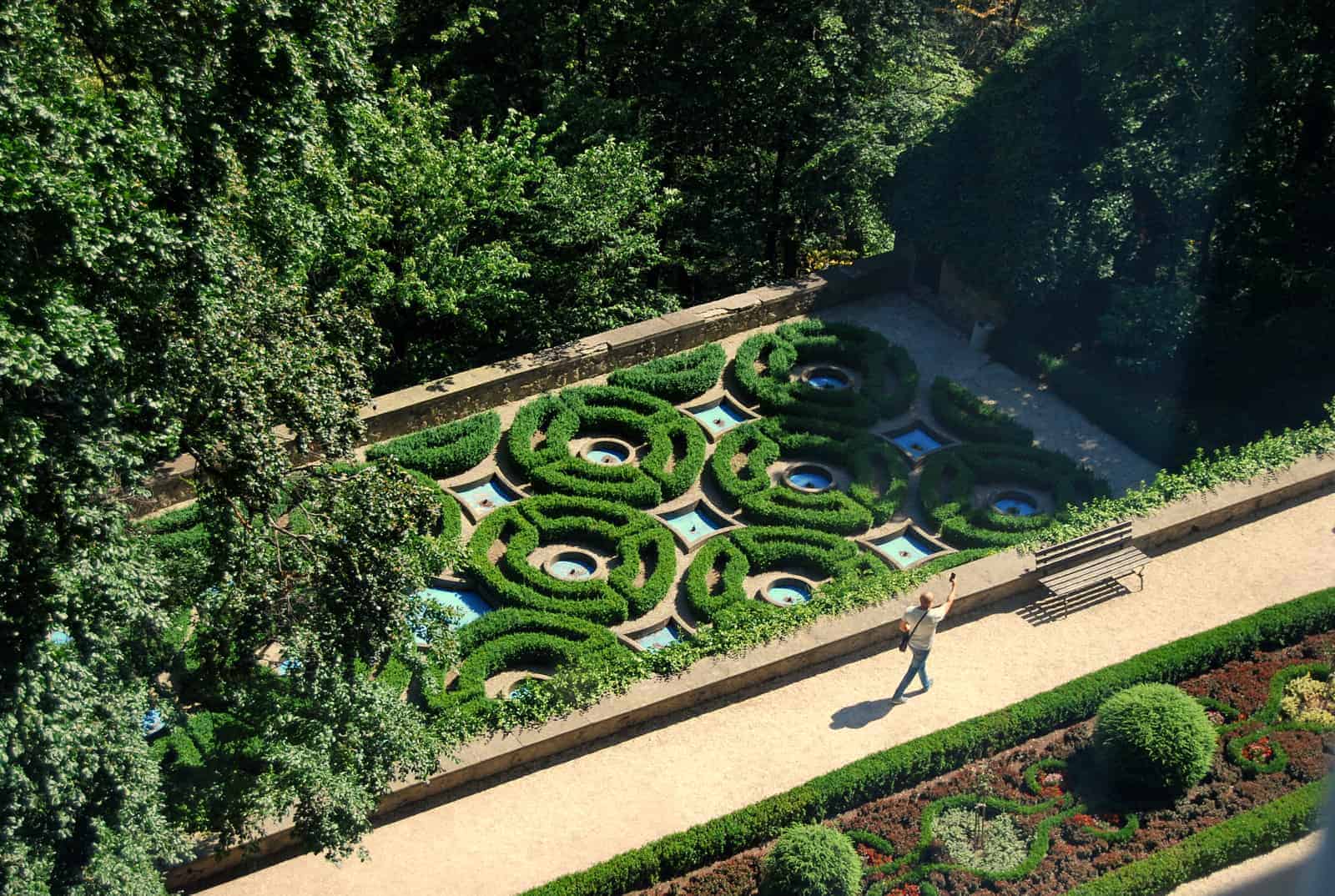
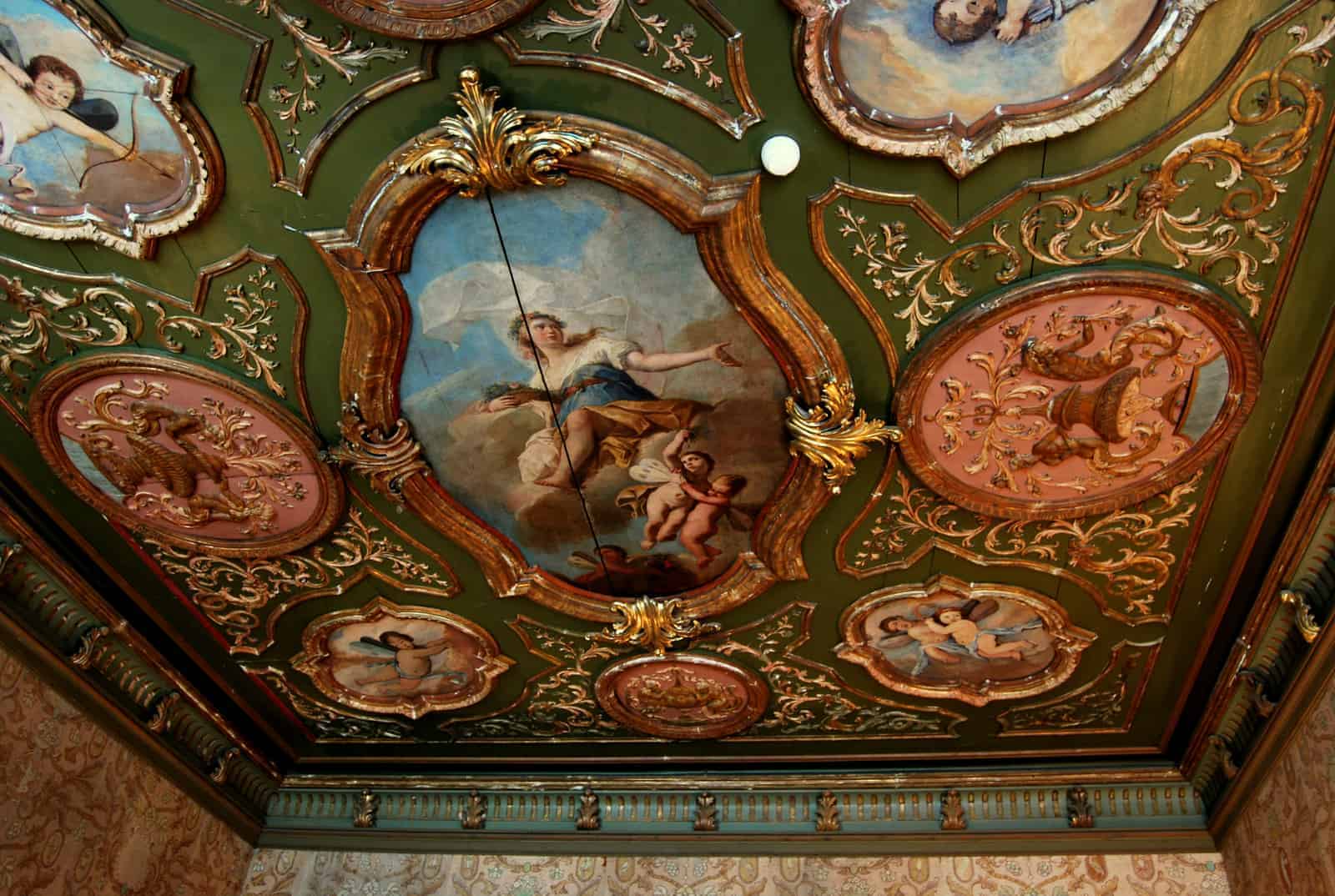
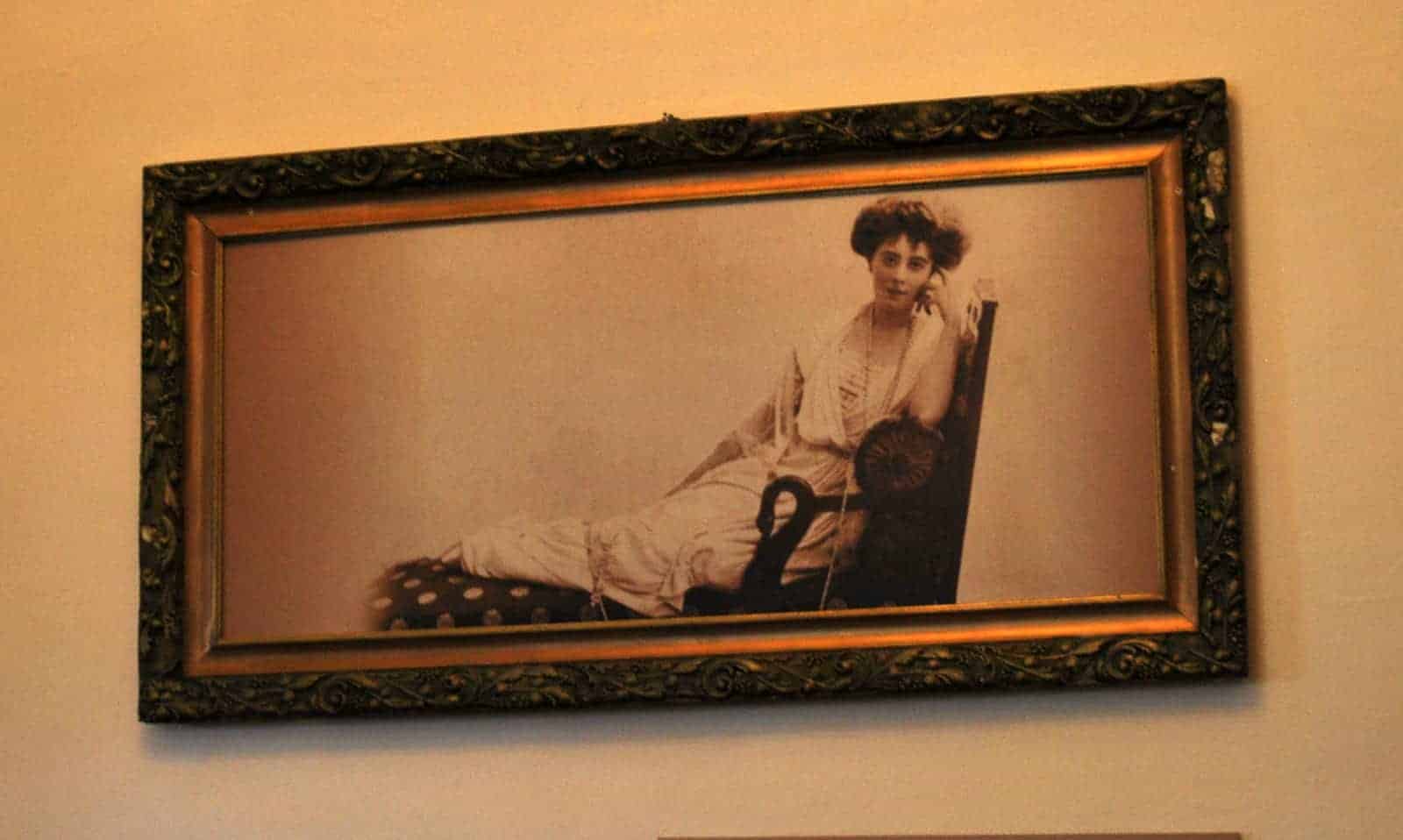
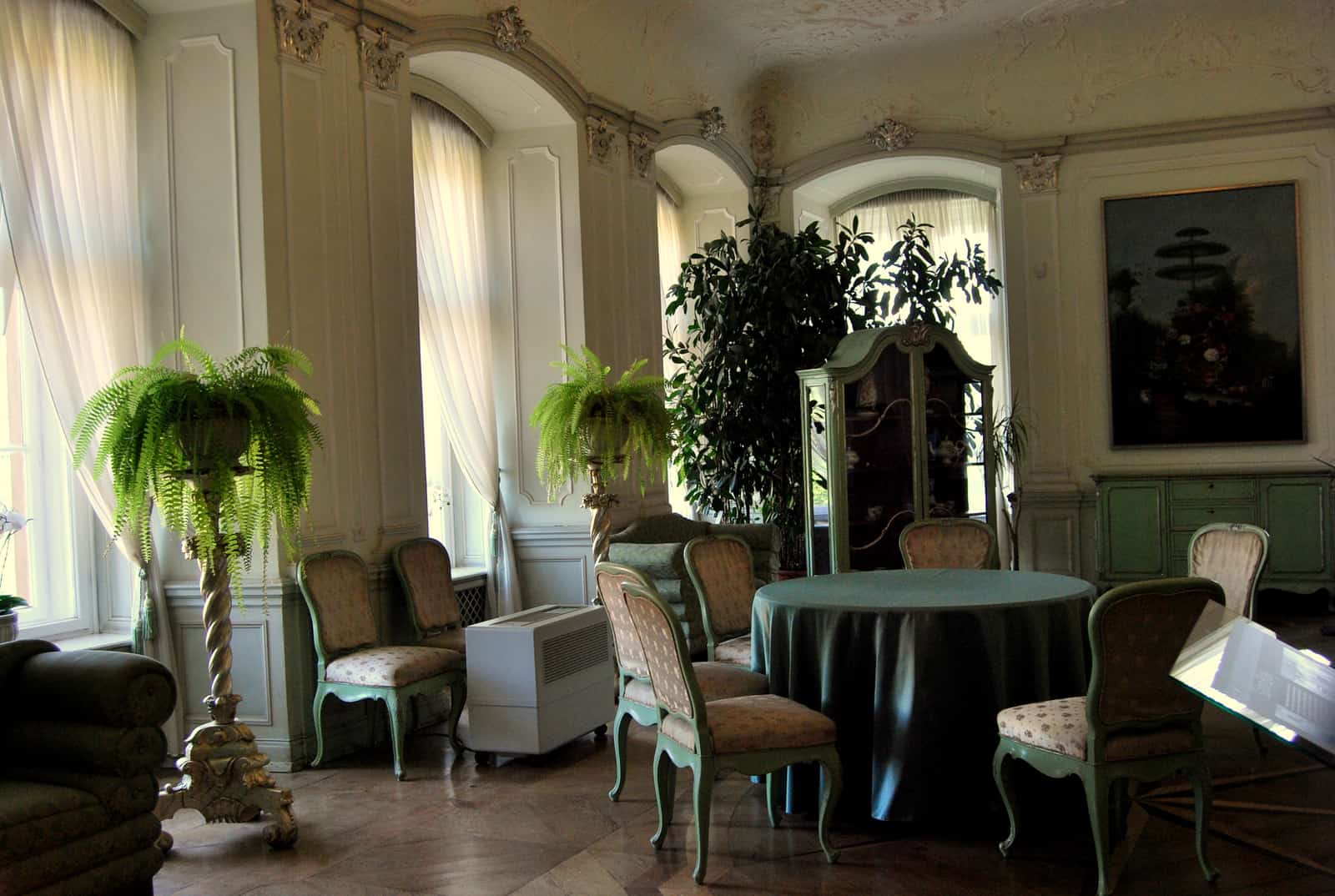
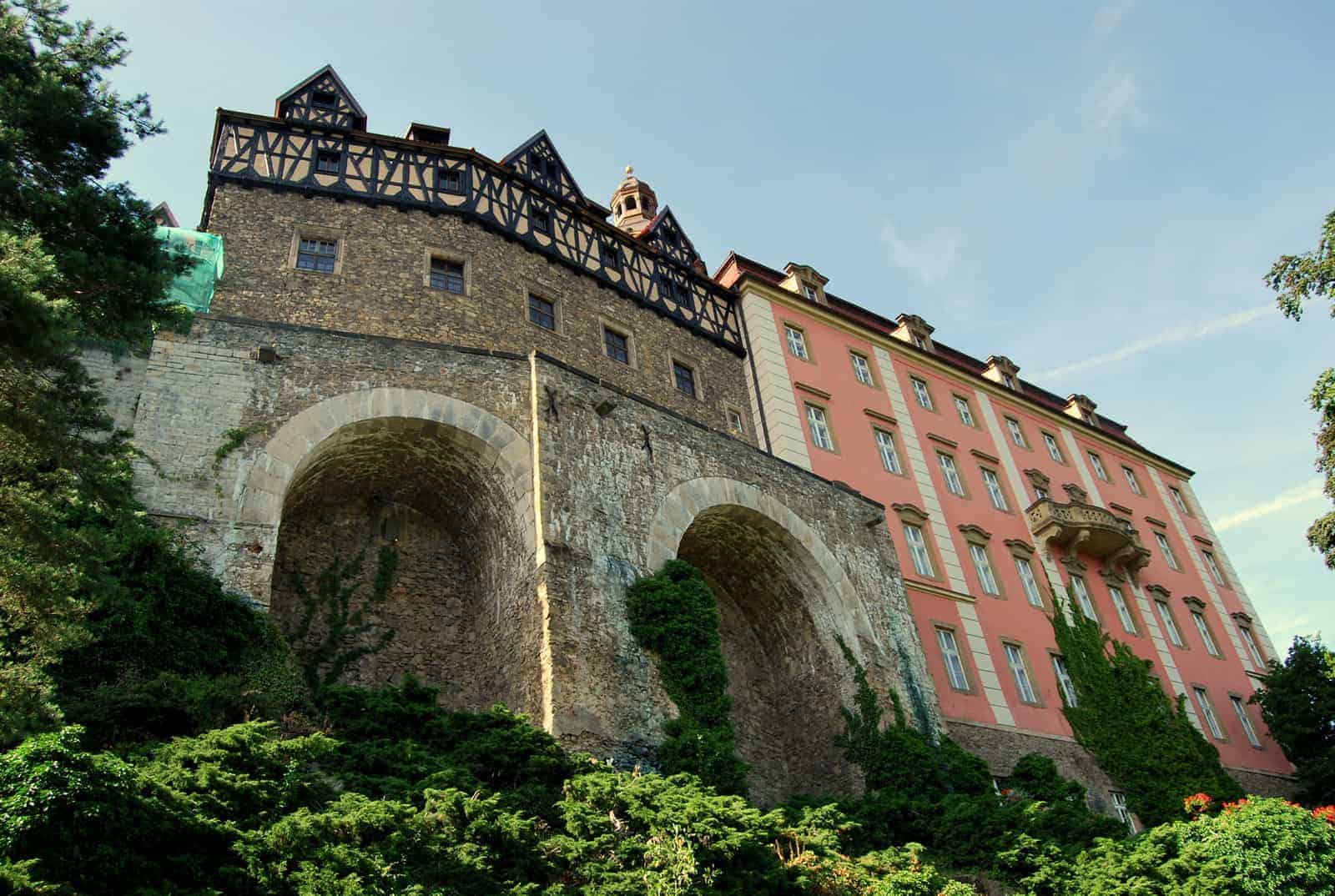
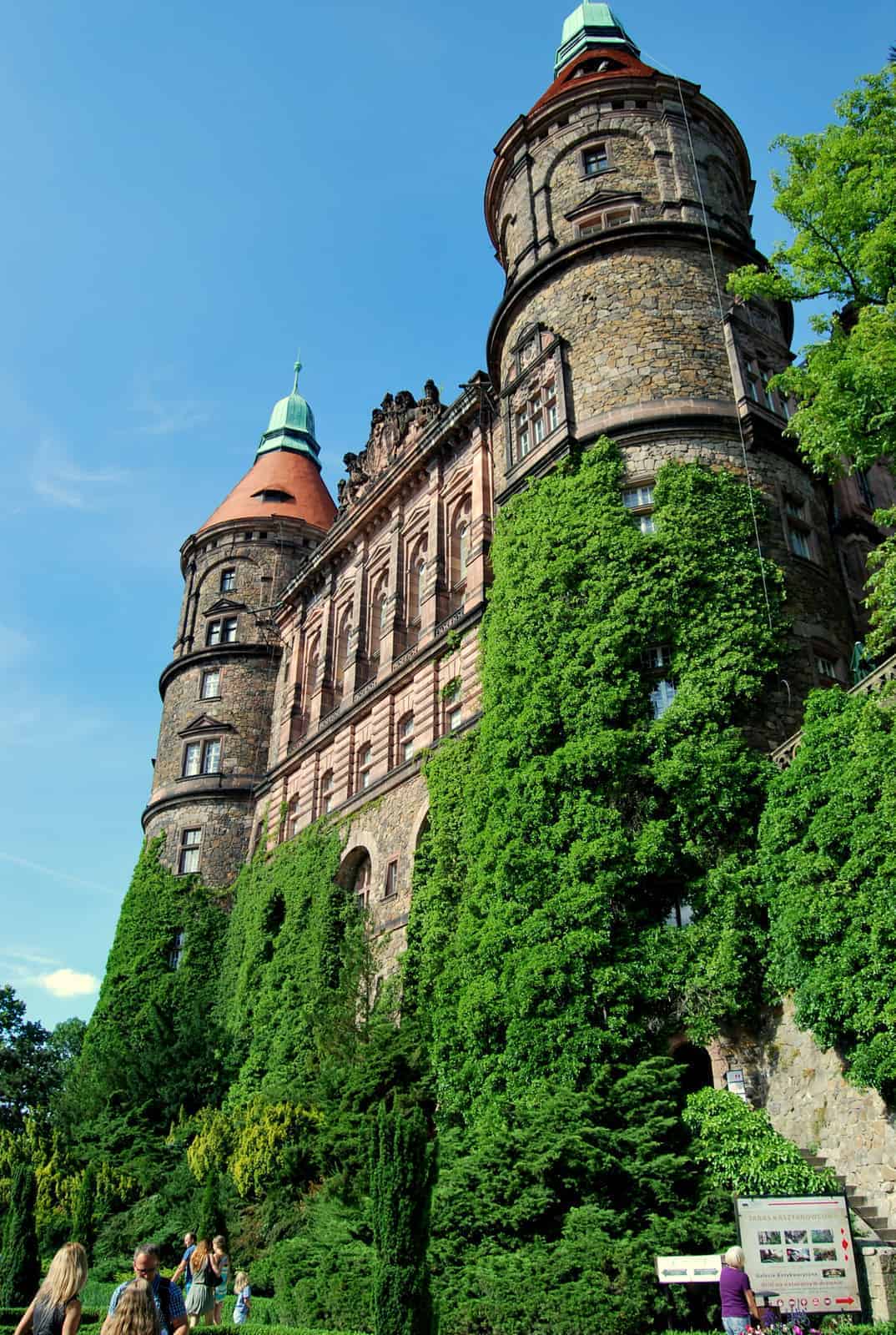
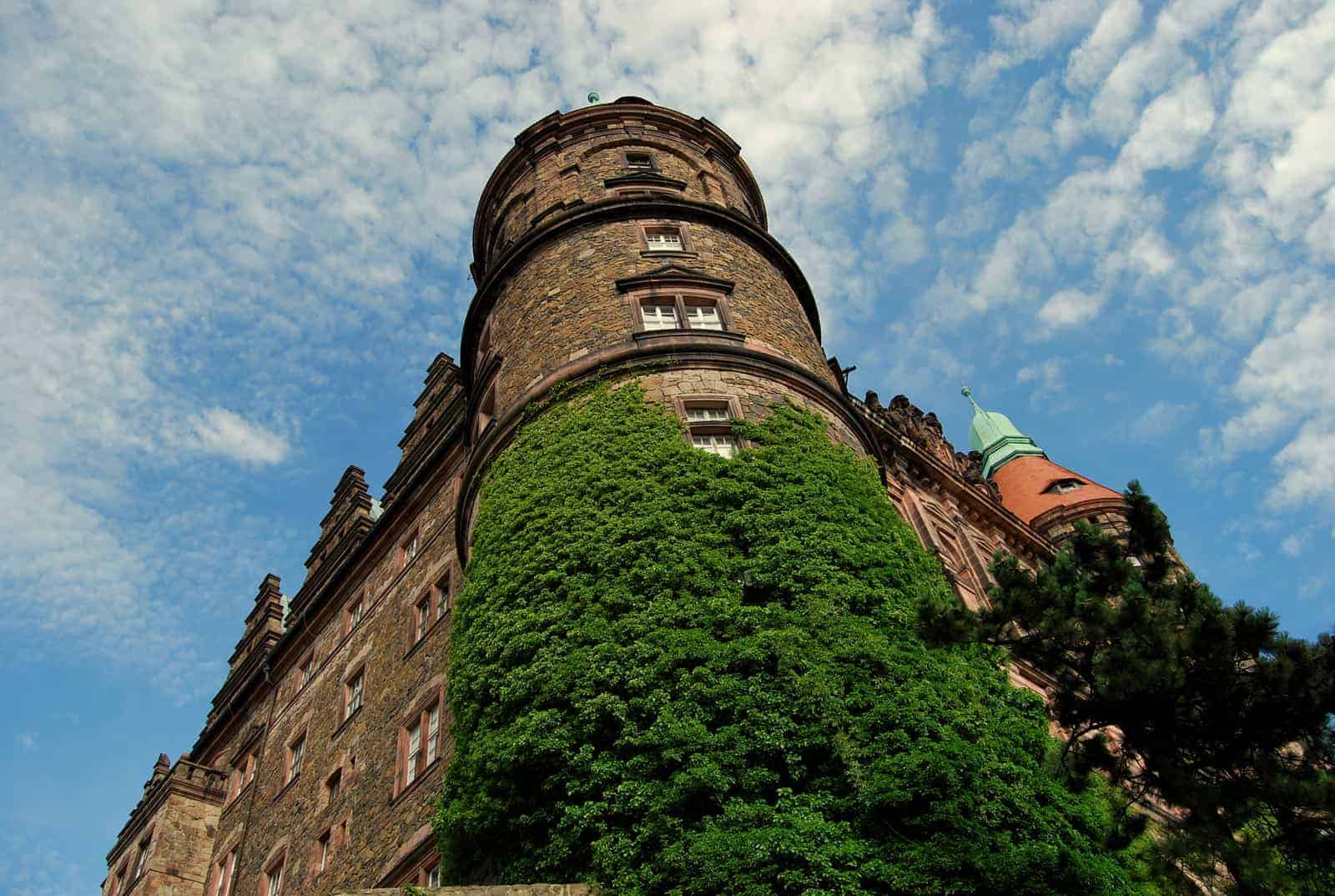
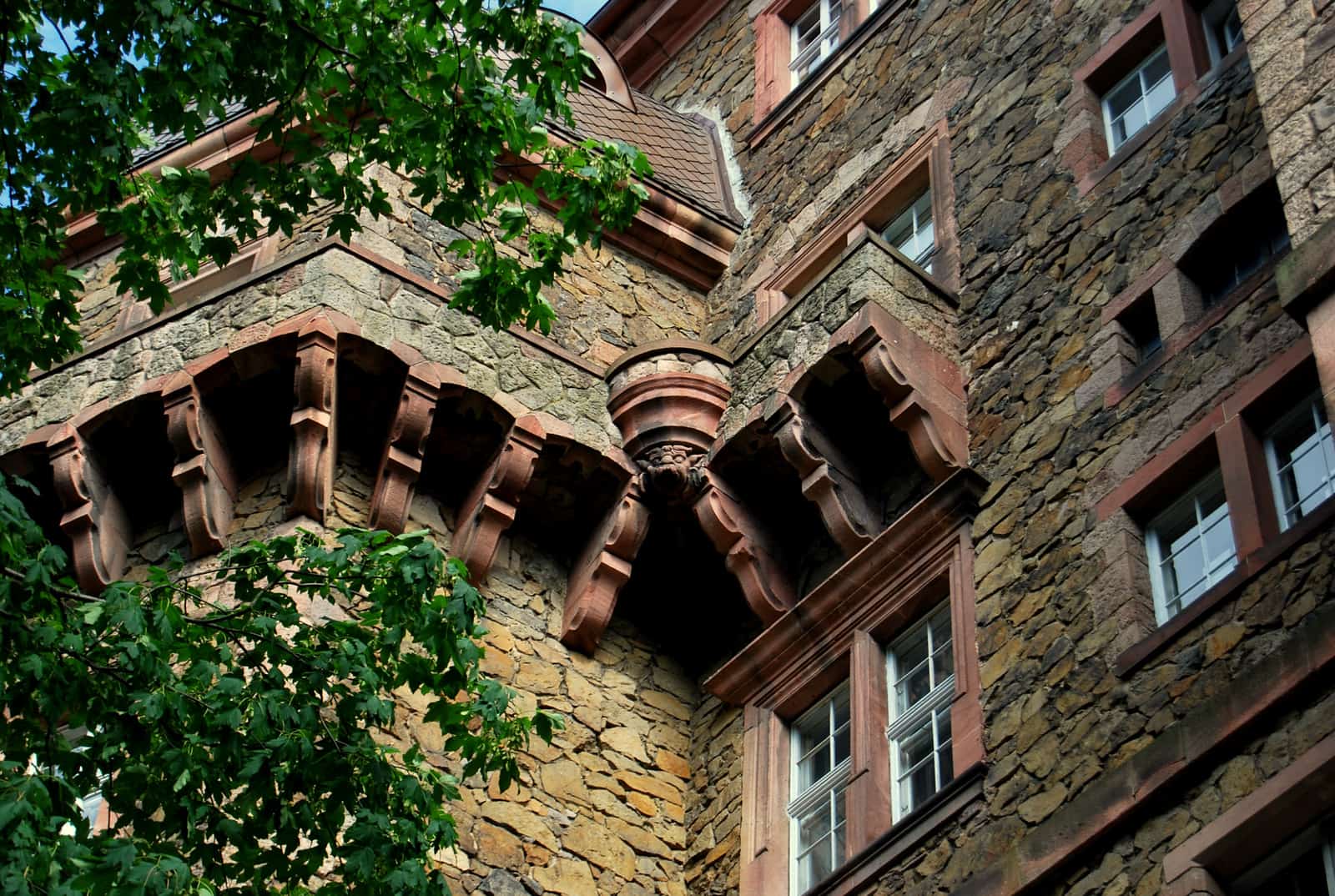
Książ – a residential complex located in Wałbrzych, within the Książański Landscape Park. It includes the third largest castle in Poland, which was built between 1288–1292 by Duke Bolko I the Strict. A small part of it, including the Piast Castle, is open to visitors. Książ Castle has a long and rich history associated with the Hochberg family, who acquired the estate in the 15th century. Many notable figures have visited the castle, including Izabela Czartoryska, Zygmunt Krasiński, Tsar Nicholas I of Russia, and Winston Churchill. The last member of the Hochberg family to reside in the castle was Maria Teresa Hochberg von Pless.
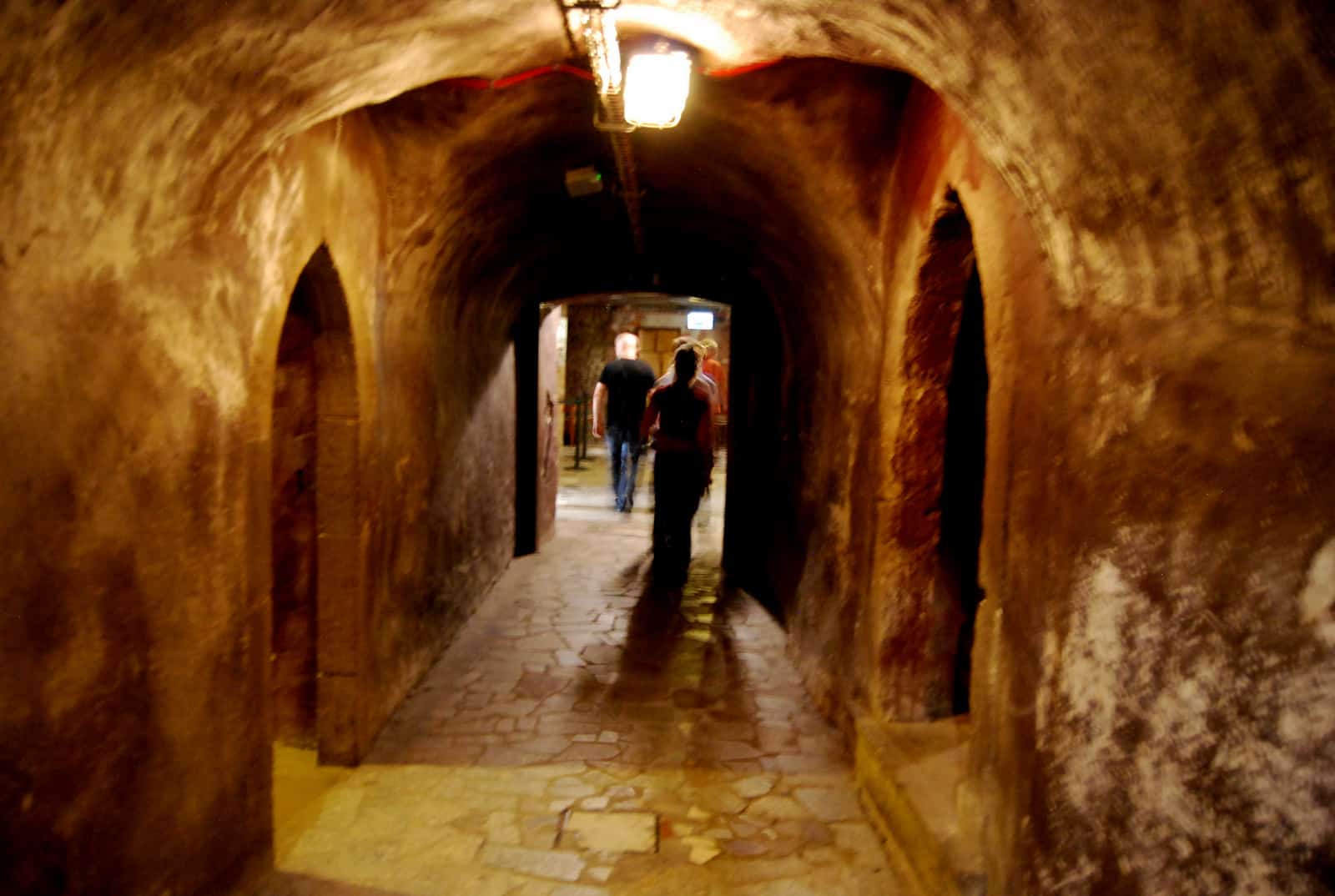
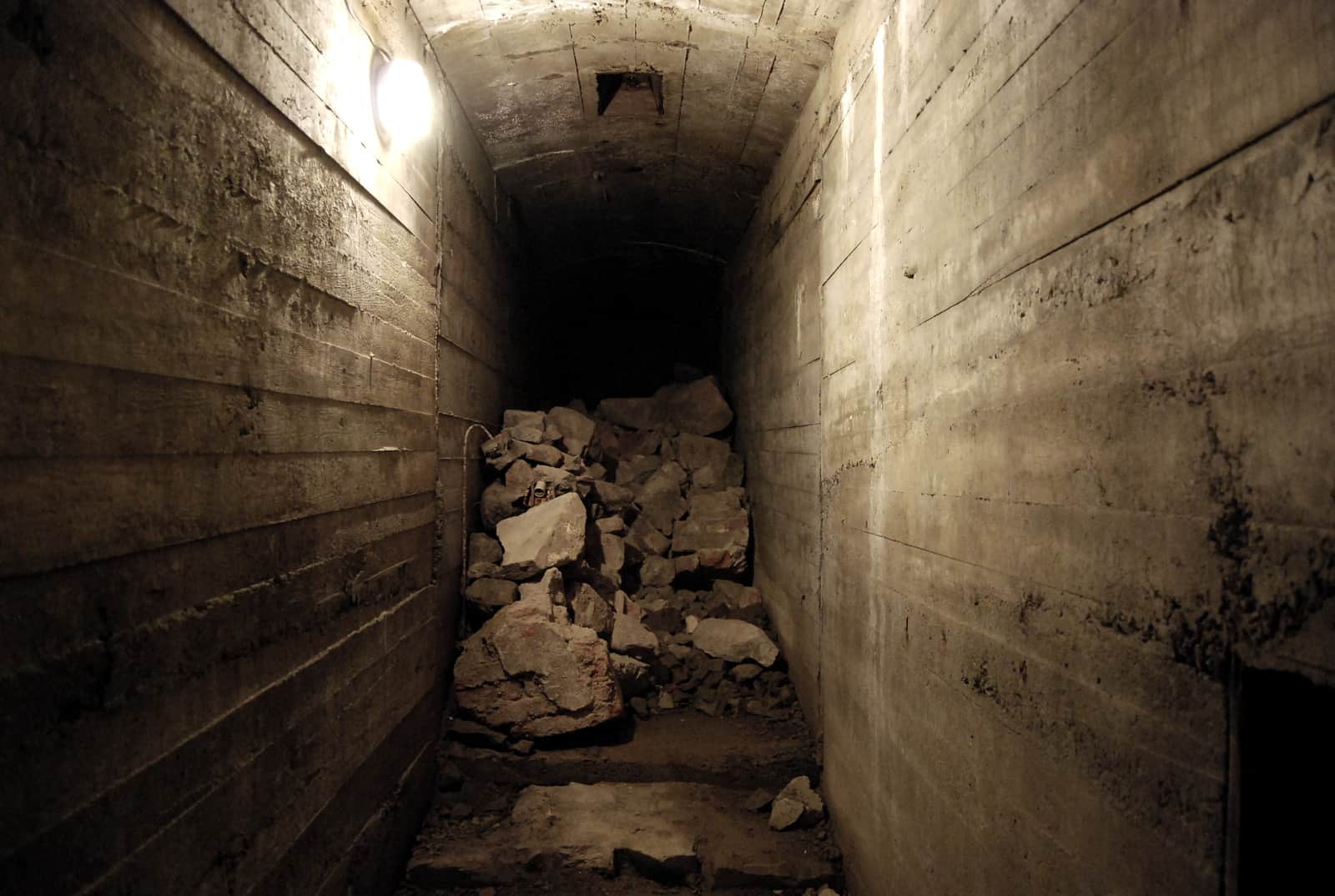
In 1941, the authorities of the Third Reich took over the castle, and the Todt Organization began to convert the castle into one of Adolf Hitler's headquarters. During the reconstruction, most of the historic interior decor was destroyed. A 40-meter deep elevator shaft was excavated in front of the main portal, and underground tunnels and a bomb shelter were created beneath the castle (the underground is currently open to tourists!). According to some researchers, an underground complex was established beneath the building to serve as a factory for military equipment, a deposit for valuable items and secret documents, and, like the entire area, a site for research on atomic weapons. From 1944 to 1945, Książ housed a branch of the German concentration camp Groß-Rosen.
Książ is shrouded in mystery. For years, legends have circulated among treasure hunters and history researchers about the "golden train" of the Nazis hidden in the underground mines beneath the castle and the "Amber Room." The castle is not fully explored and has many undiscovered corners. Recently, an unknown well and tunnel were accidentally discovered on the grounds, and research work is currently underway.
Author of the photos and text:
Katarzyna Krajewska
Author's website - www.fotofiszka.eu