
Wrocław
Wrocław – the capital of Lower Silesia and, in 2016, the cultural centre of Europe. It is the fourth most populous city in Poland and the fifth largest by area, and according to the international ranking of "Quality of Living" from 2015, one of the best places to live.
This city is not only attractive touristically and historically but also an ever-expanding business and student hub. Known variously as the City of One Hundred Bridges, the Pearl of the Reclaimed Lands, and Poland's Silicon Valley, no single description can fully capture the spirit of this city.
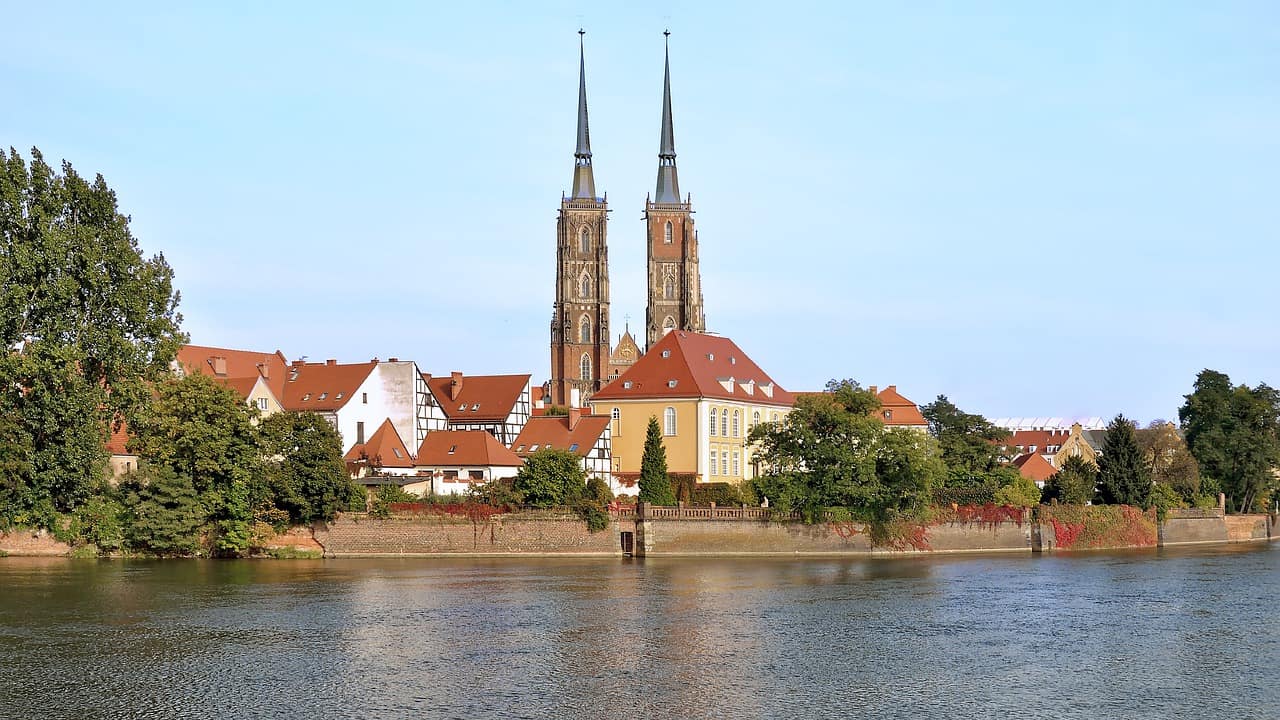
The beginnings of Wrocław are linked to a settlement that developed in a convenient crossing location on the Oder River, at the intersection of important and ancient communication routes in Europe. Therefore, it is best to start a walk around Wrocław in the oldest part of the city, namely in Ostrów Tumski (which was once an island).
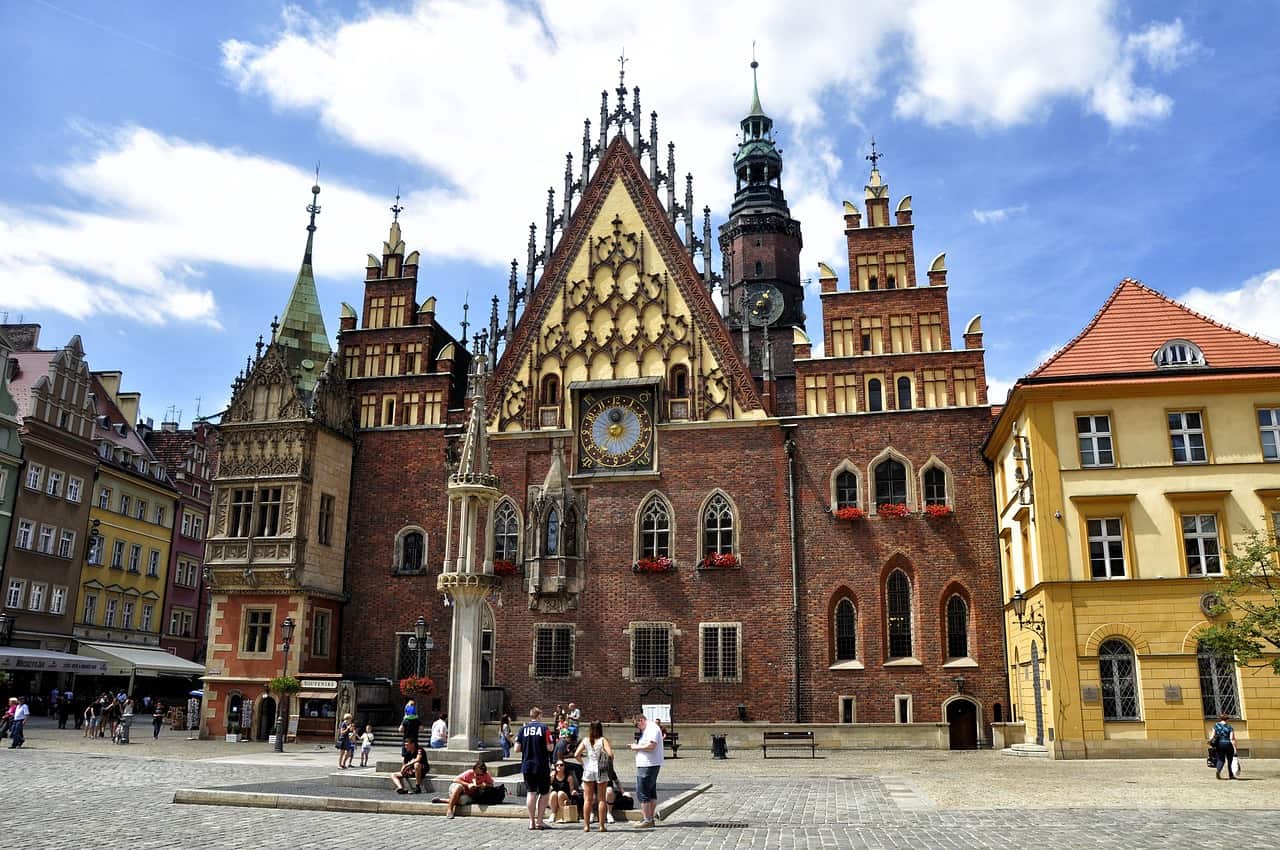
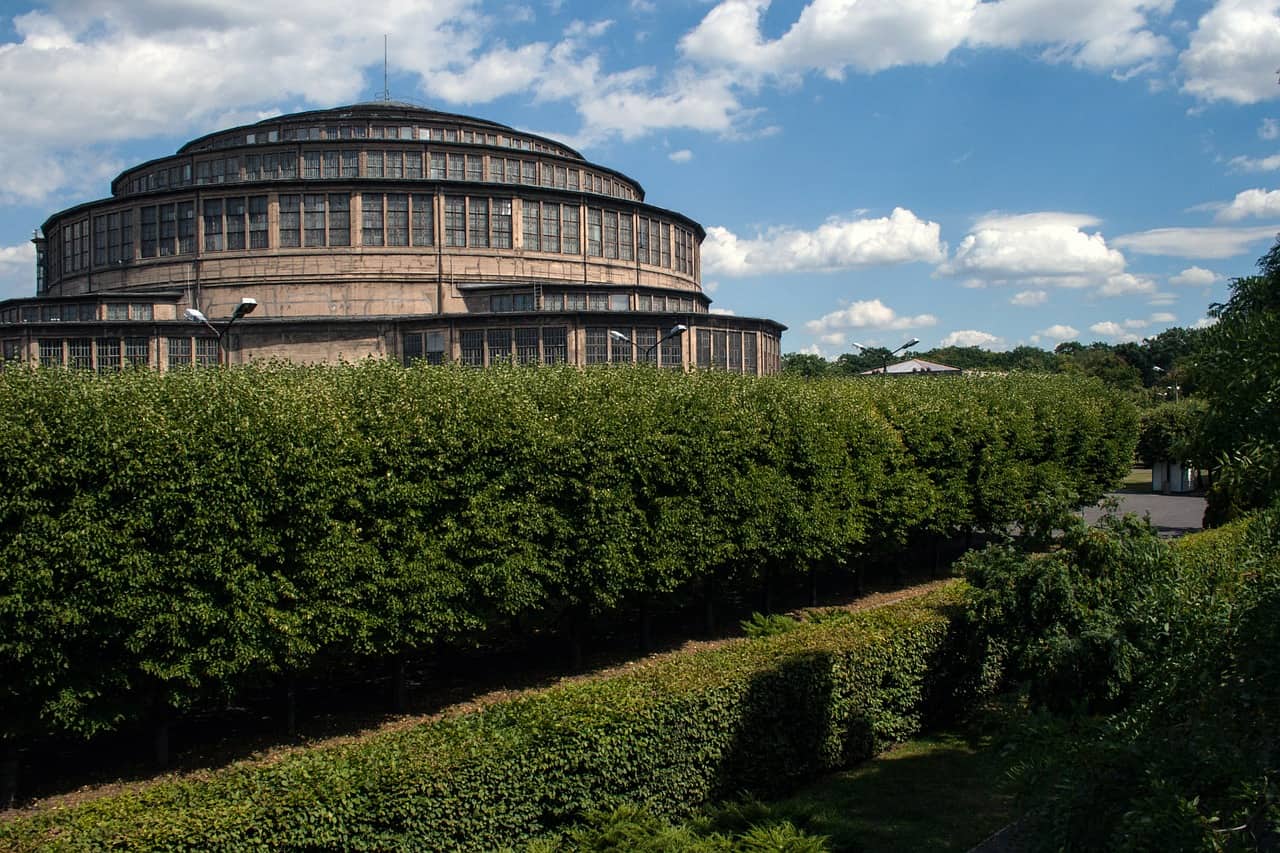
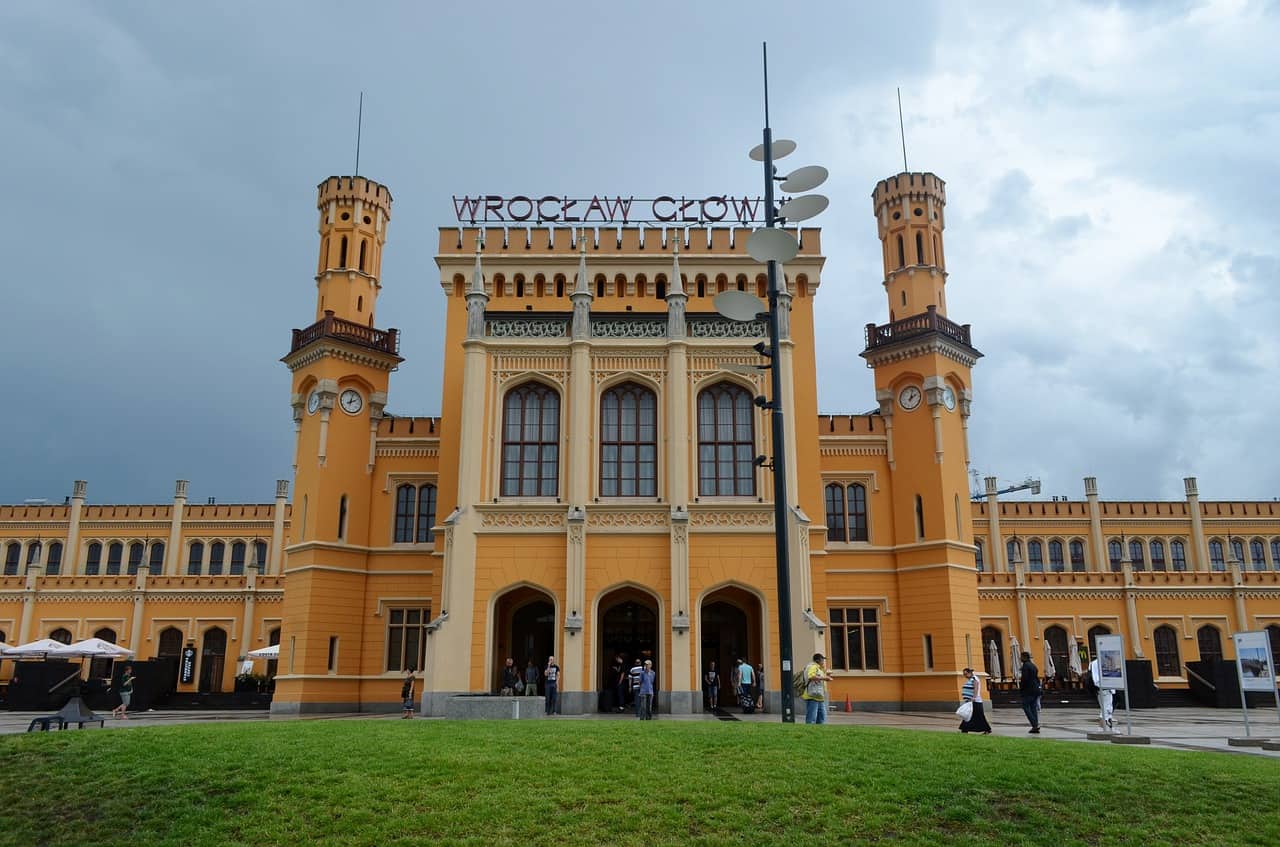
In the early decades of the 20th century, the city showcased remarkable and completely innovative architectural achievements, such as the Centennial Hall (formerly known as the People's Hall), which is a UNESCO World Heritage Site. Other notable buildings in Wrocław include the Town Hall, St. John the Baptist Cathedral, the University of Wrocław building, the Hala Targowa market hall, and the Main Train Station. The architecture of the city has been shaped since the establishment of the settlement, allowing us to find traces of all styles that have prevailed over the centuries.
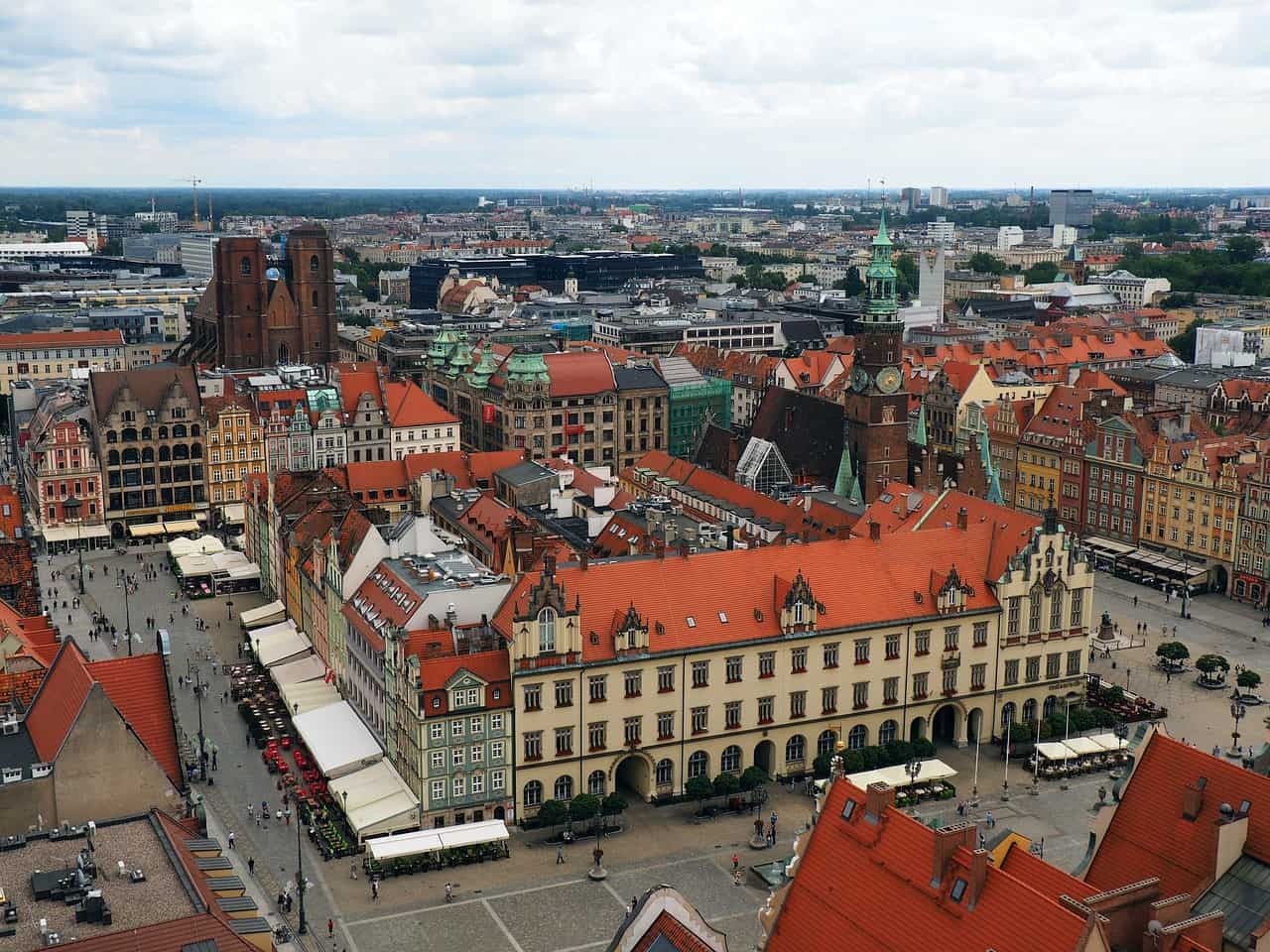
The Wrocław market square is a place that never sleeps. Among colourful townhouses and historic buildings, there are plenty of restaurants, pubs, and clubs where you can enjoy a good meal, dance, or meet with friends. Speaking of night-time sightseeing, one cannot forget about the city's other attractions that gain special significance after dark, such as the multimedia fountain at Pergola, the beautifully lit banks of the Oder River, and Wrocław's neon lights.
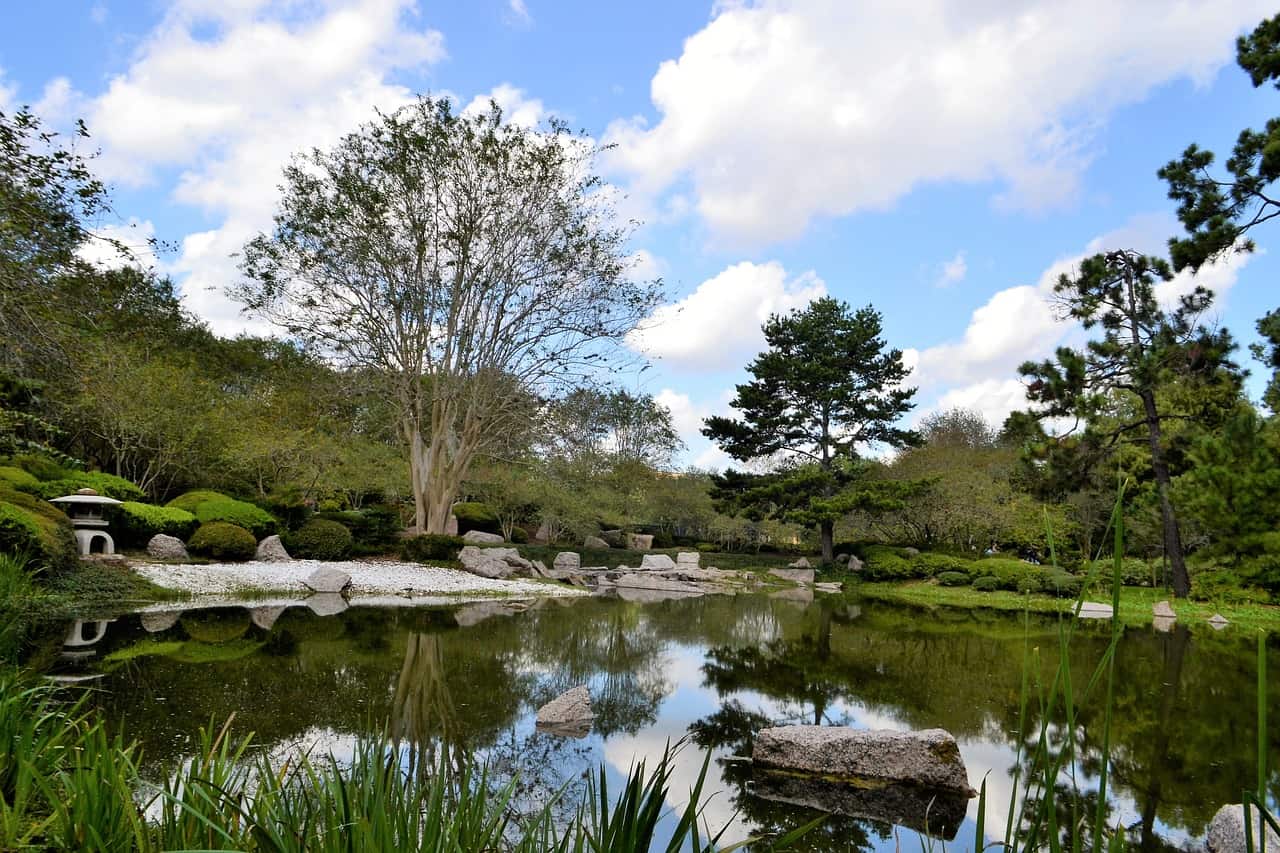
It may seem that in such a large city, there is no room for greenery – but the 44 parks in Wrocław, covering almost 800 hectares, contradict this. Among them, the most popular are Szczytnicki Park with the Japanese Garden, Millennium Park, South Park, and the park by the Castle. A particularly interesting place for walking is the Old Town Promenade, which is nearly a four-kilometre stretch of greenery that runs alongside historic buildings through the city centre.
If you want to escape a bit further from the urban bustle, it is worth remembering that from Wrocław, you can reach mountain trails in just two hours and reconnect with nature. The nearest mountains to the capital of Lower Silesia are the Owl Mountains, the Izera Mountains, and the Stołowe Mountains.
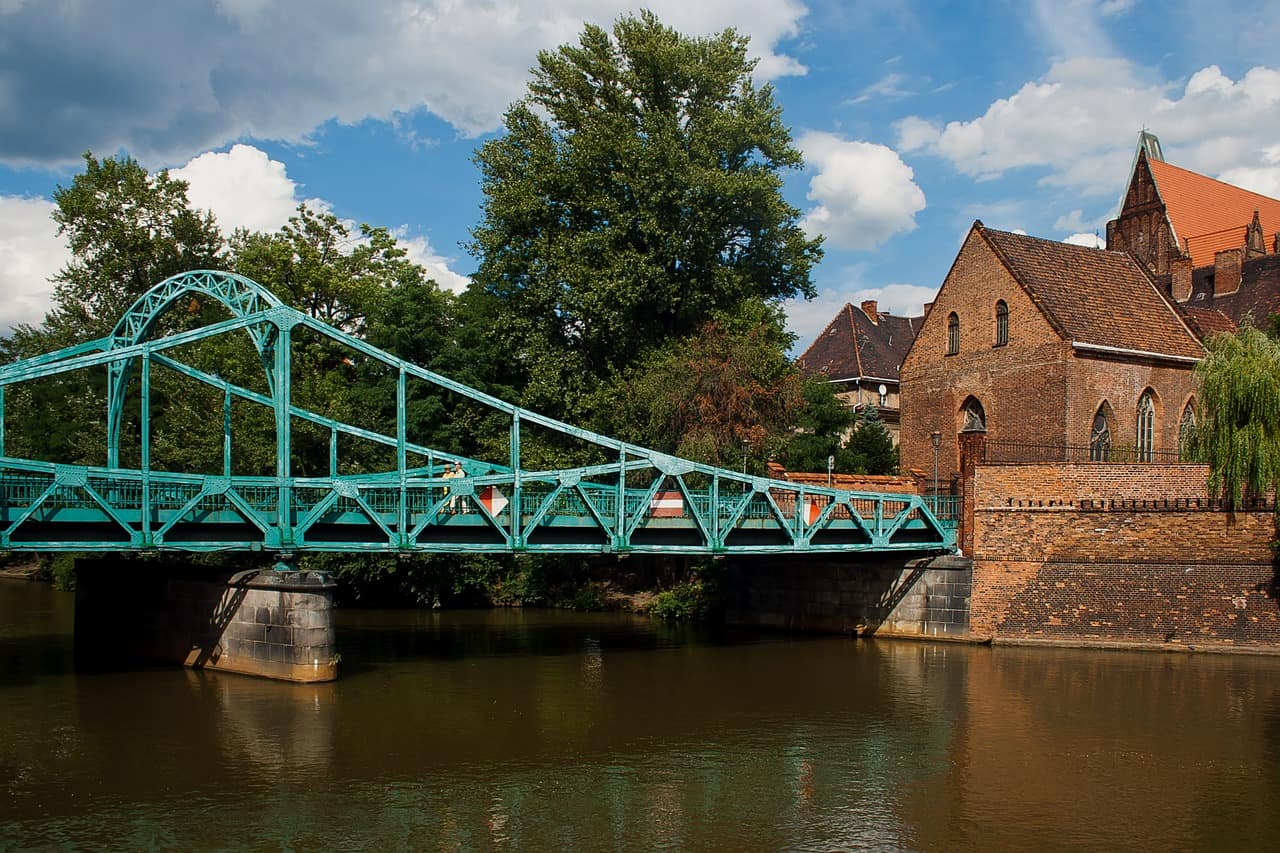
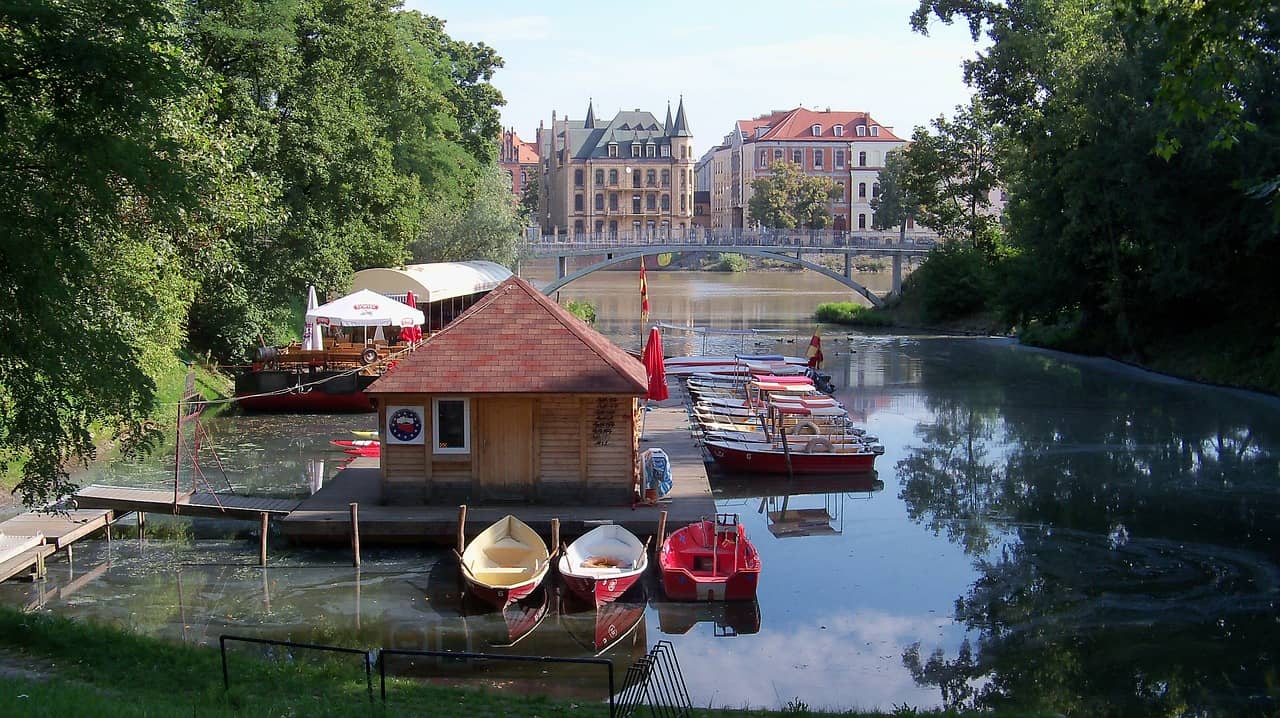
Wrocław is also referred to as the Venice of the North, thanks to its over 100 bridges and footbridges that give the city a unique and romantic aura. As you stroll around Wrocław, you will surely come across the famous “lovers' bridge,” which, adorned with padlocks, impresses all those whose hearts beat a little faster. Due to its location by the river, Wrocław encourages active water recreation – sailing boats, small ships, and kayaks are at your fingertips, along with an increasing number of city beach bars. For those looking for water activities year-round, one of the largest aquaparks in Poland and a knowledge and science centre about water – Hydropolis – is available.
Author: Katarzyna Lasocka
Sources:
https://www.tuwroclaw.com/dokumenty,rys-historyczny,doc4-636.html
https://www.wroclaw.pl/m8681/parki-we-wroclawiu
https://www.morizon.pl/blog/wroclaw-12-powodow-zeby-tu-zamieszkac/
https://visitwroclaw.eu/miejsca/