

Gdańsk
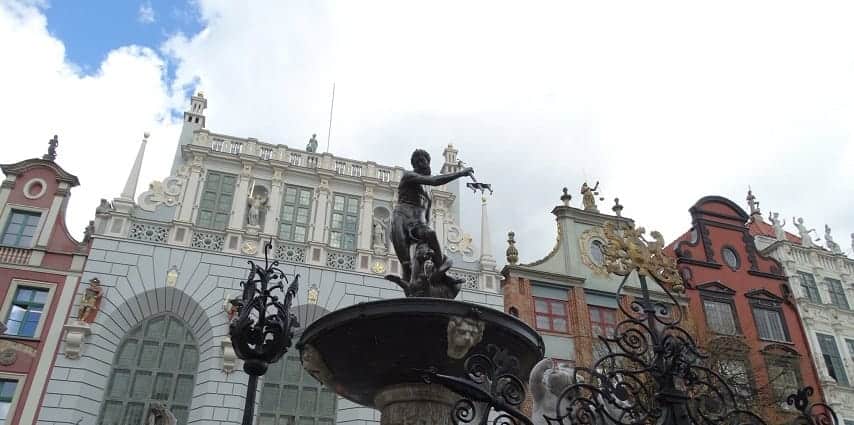
Gdańsk - the capital of the Pomeranian Voivodeship and with a population of around 460,000, the sixth largest city in Poland by population. A port city located on the Baltic Sea by the Motława River at the mouth of the Vistula River. Together with Gdynia and Sopot, it forms the Tri-City. Gdańsk has a history spanning over a thousand years - primarily connected to maritime trade due to its location and the wealth of amber. In the 20th century, it is associated with the site of the outbreak of World War II - Westerplatte and the establishment of "Solidarity" and the figure of Lech Wałęsa. A tourist centre with an extraordinary location in the Gdańsk Bay. Football matches were held here during EURO 2012, and on this occasion, one of the most beautiful stadiums in Poland was built, shimmering with the colours of amber from the outside. Gdańsk is an important tourist attraction and an incredibly interesting place in Poland. The most important monuments and places in Gdańsk:
- The historic Crane over the Motława River,
- The St. Mary's Basilica,
- The Long Market with its historic, exceptionally rich tenement houses,
- The Neptune Fountain in the Market Square - a symbol of Gdańsk,
- Westerplatte,
- Gdańsk Oliwa Cathedral along with Oliwa Park,
- The Gdańsk Oliwa Zoo.